










Local Landmarks & Heritage
- Pulaski Industrial Corridor
- Milwaukee District North Rail Line
- Site of the Pennock Settlement
- Healy Metra Station
Neighborhood History
Belmont Gardens' history begins with a failed vision: in the 1880s, industrialist Homer Pennock founded an industrial village named Pennock along what is now the neighborhood's edge, a venture so unsuccessful that the Chicago Tribune dubbed it 'A Deserted Village in Chicago' in 1903. After Chicago annexed the surrounding farmland in 1889, the neighborhood found its true identity as part of the Milwaukee Avenue Polish Corridor, a stretch of Polish settlement that drew factory workers to the area's growing rail-served industrial base.
The Pulaski Industrial Corridor, which grew from the rail lines along the Chicago, Milwaukee, St. Paul and Pacific Railroad, still defines the neighborhood's western edge, a lasting reminder of the industry that built Belmont Gardens after Pennock's failed ambitions faded.
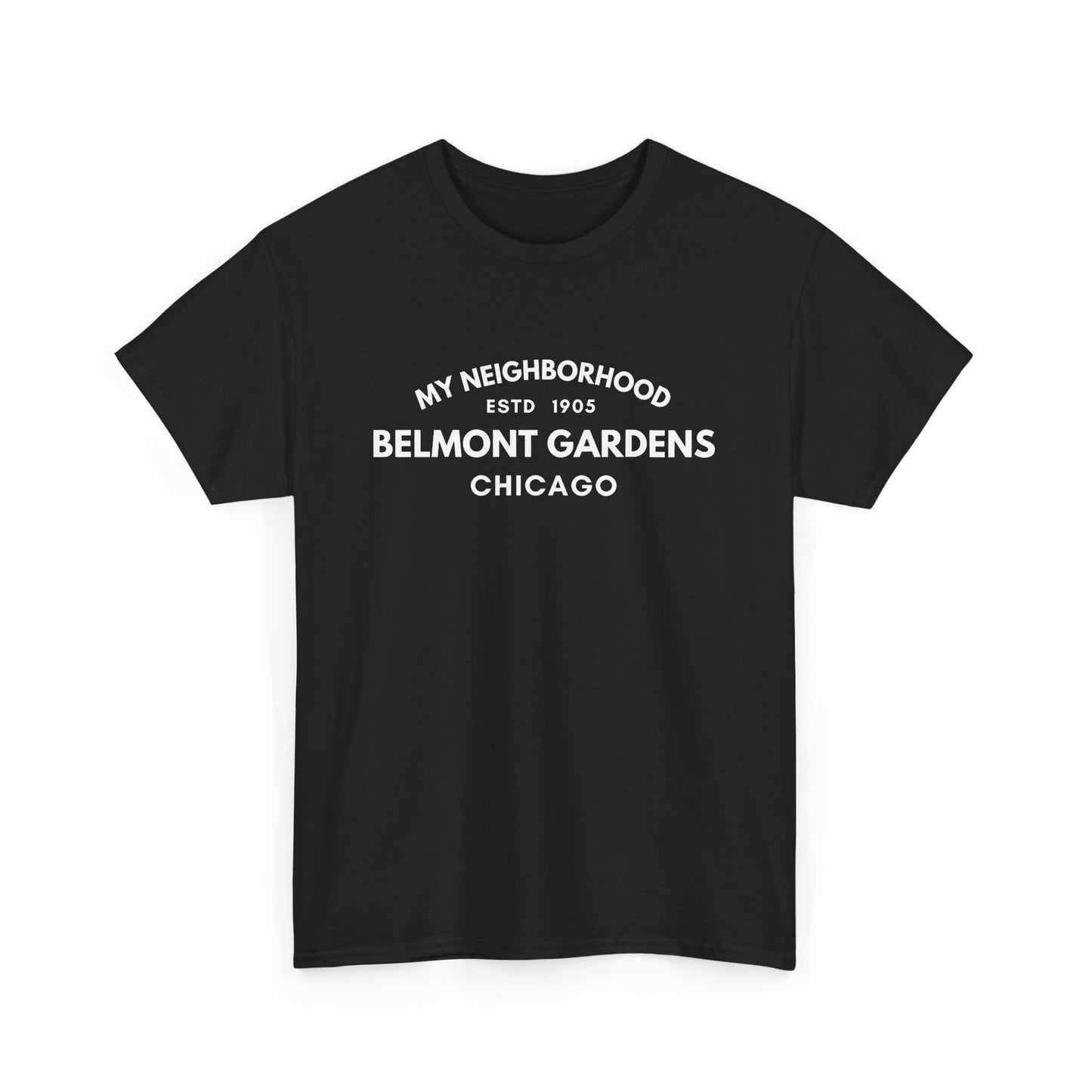
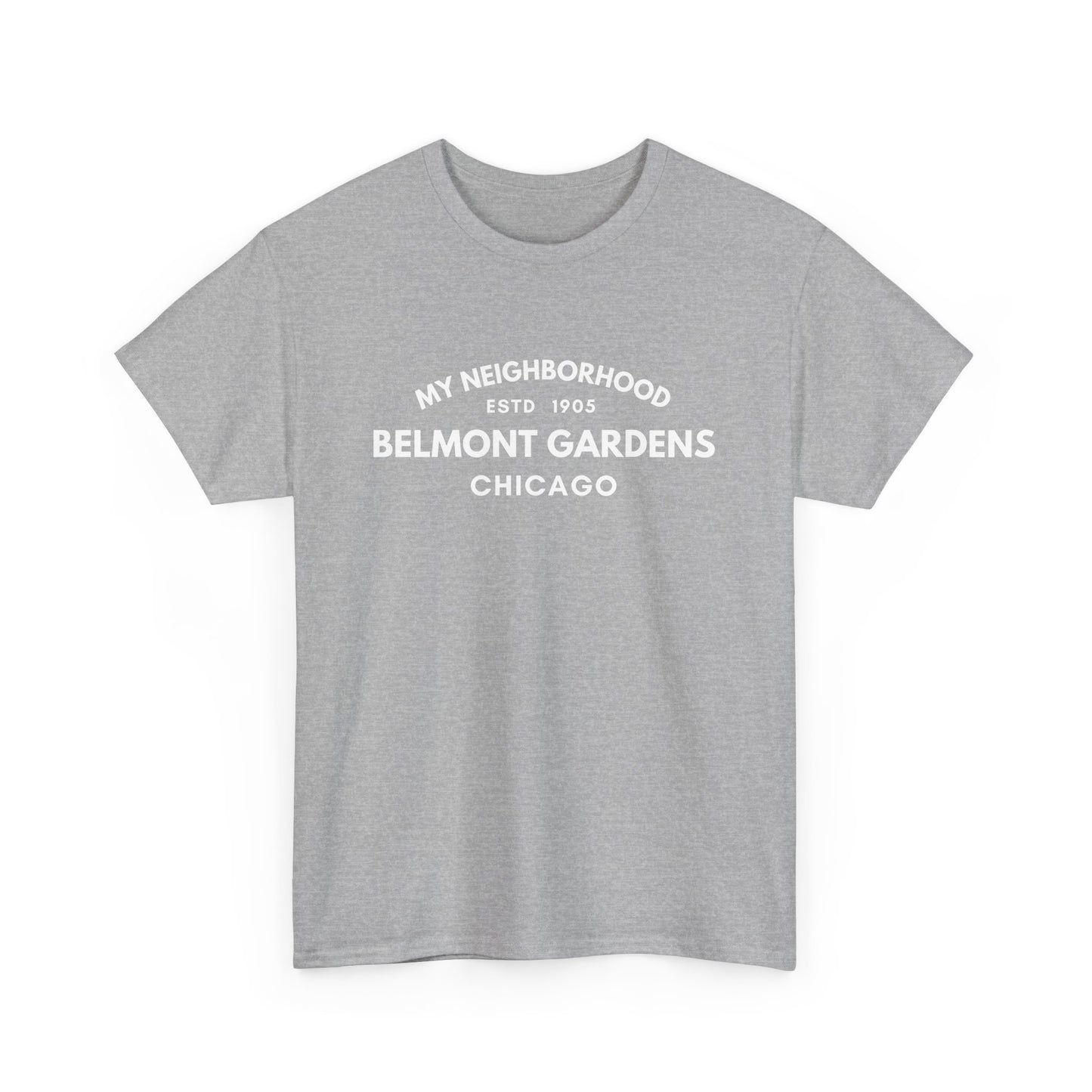
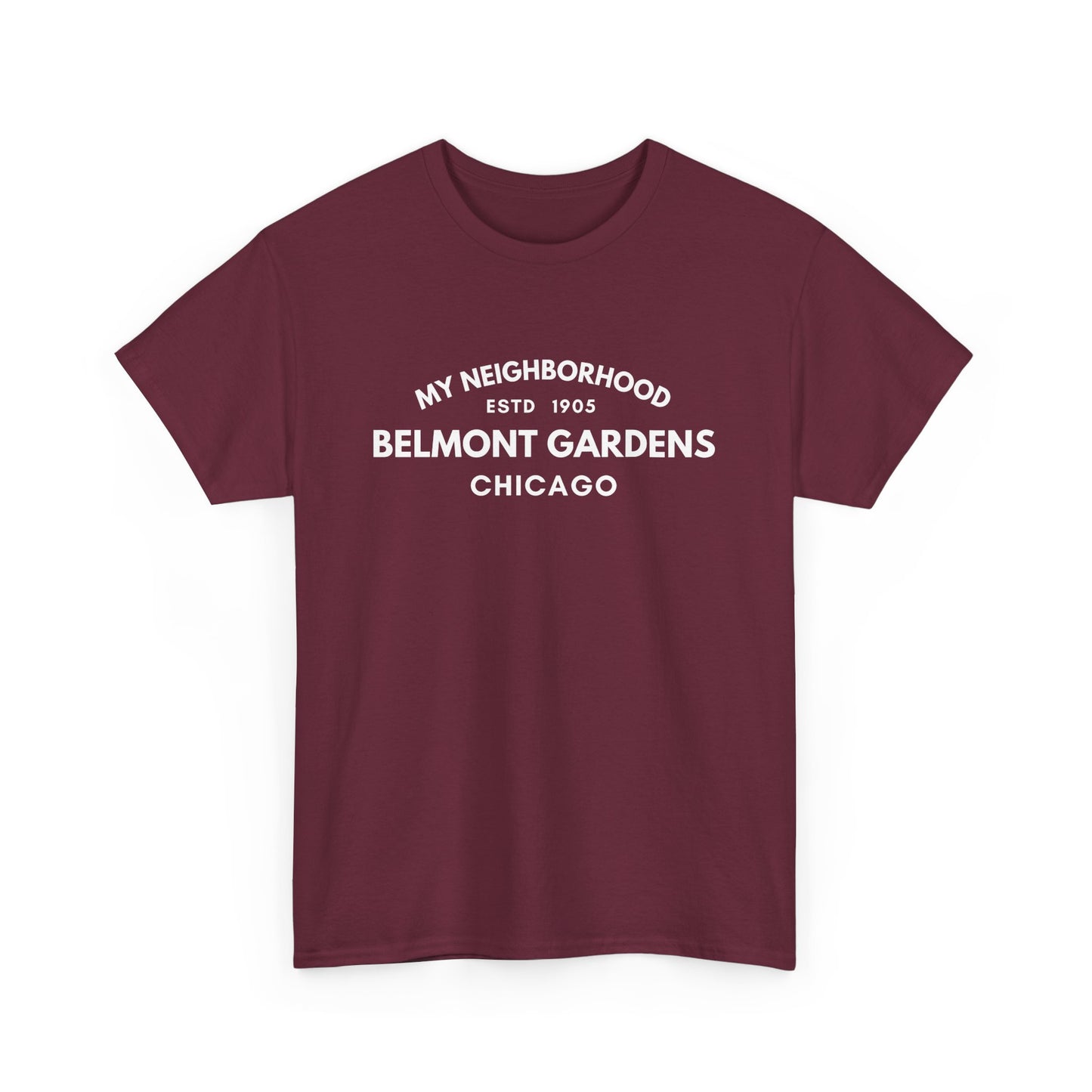
From an abandoned industrialist's dream to a lasting working-class Polish and Latino community, Belmont Gardens' resilience is a story MY-NHD's apparel is proud to help tell.
MY-NHD
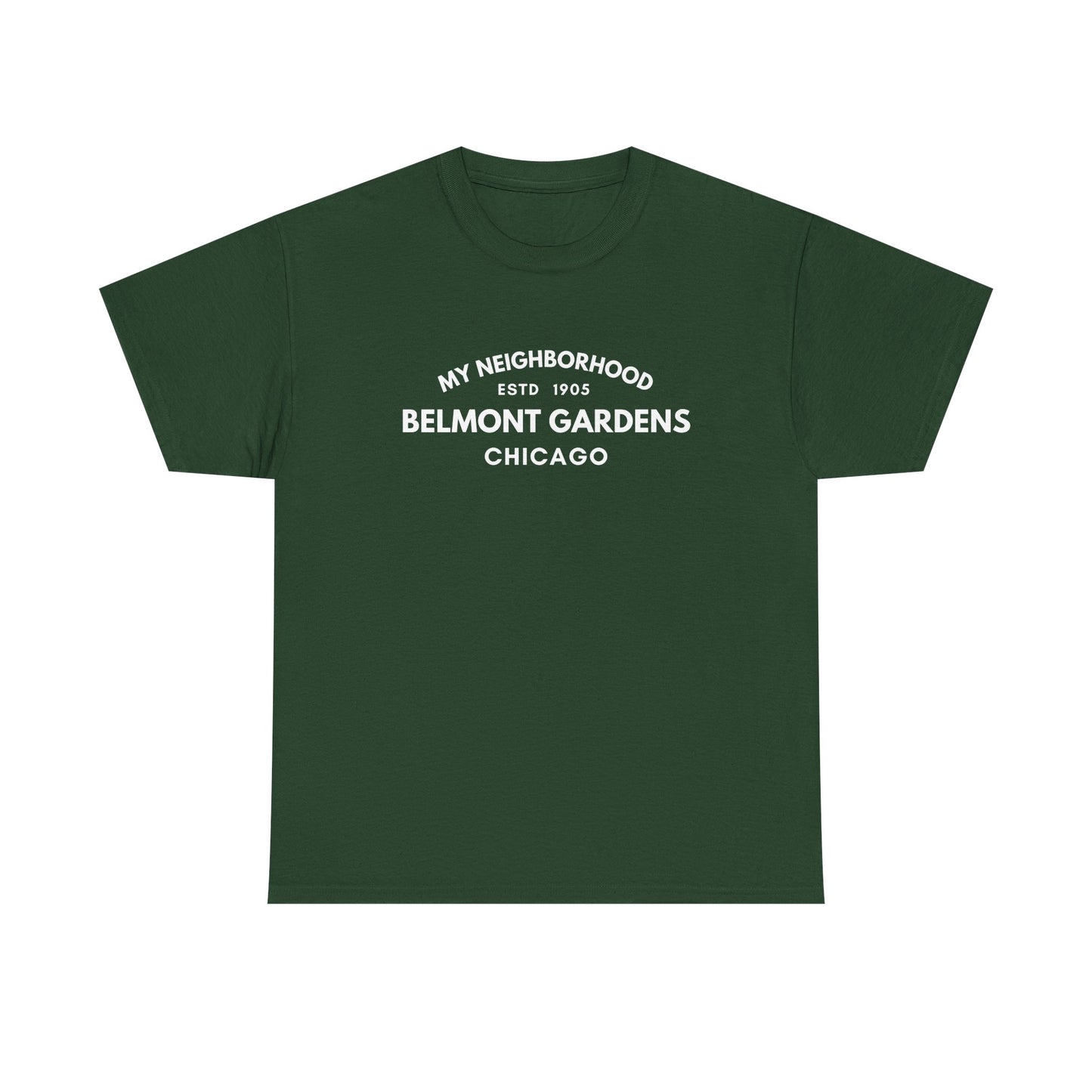
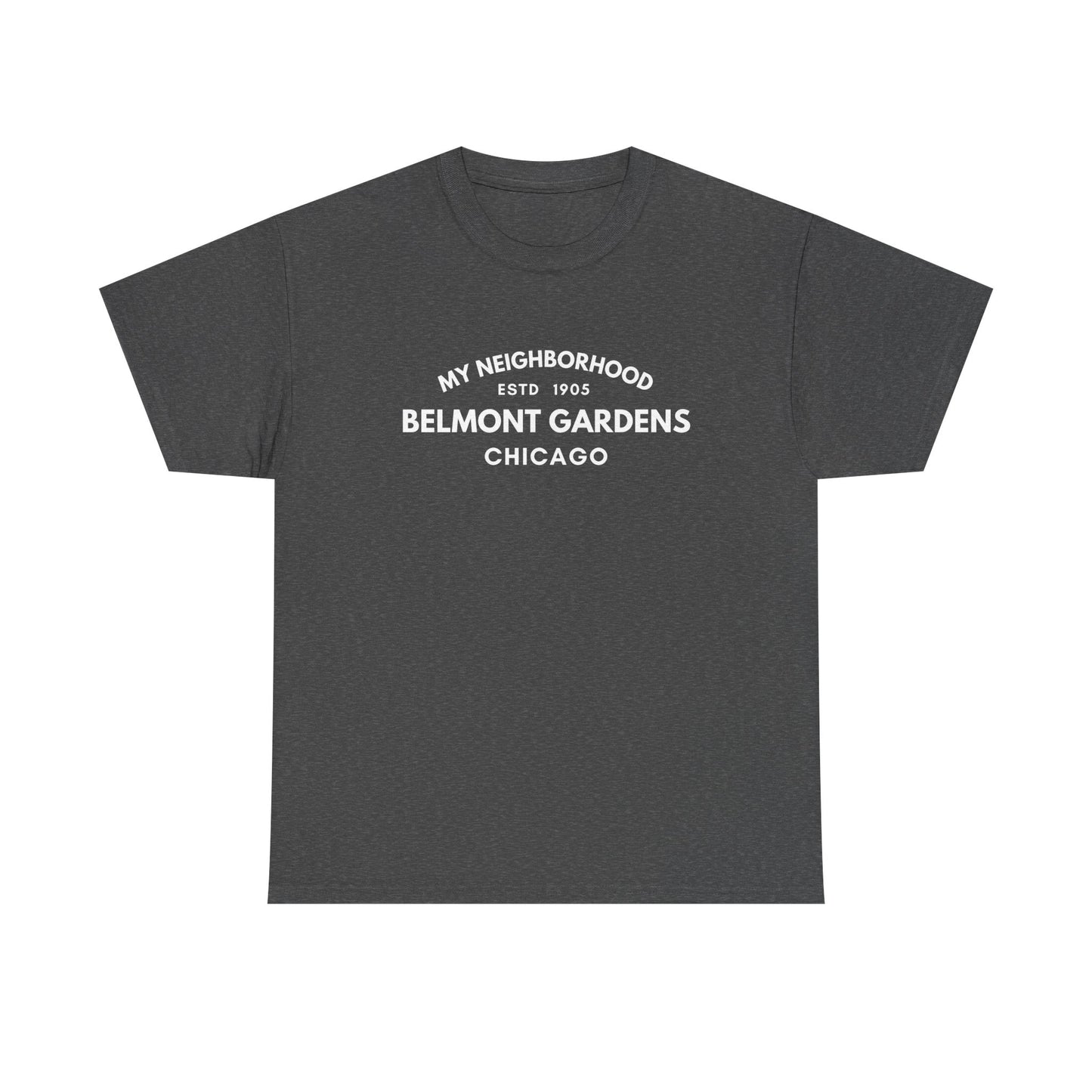
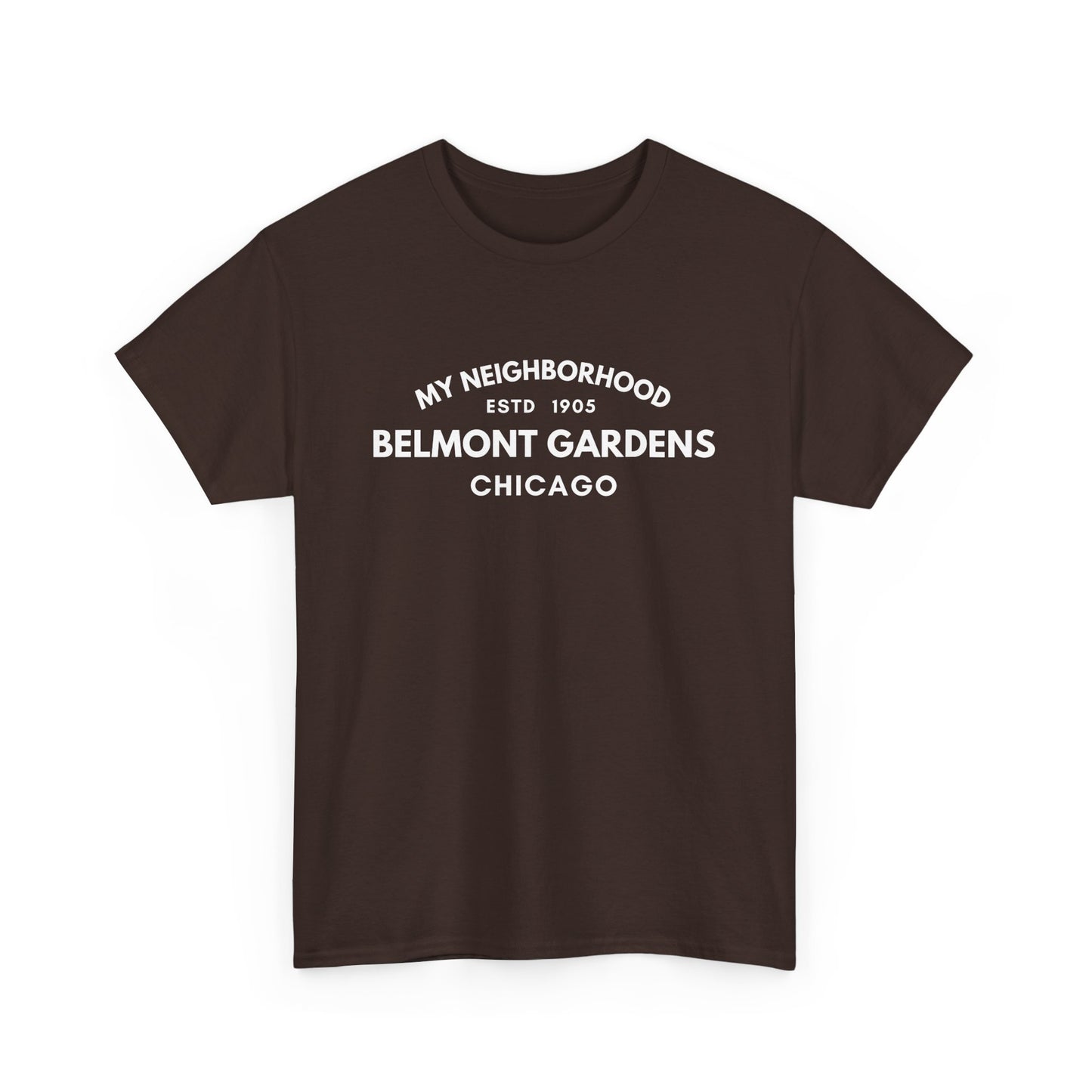
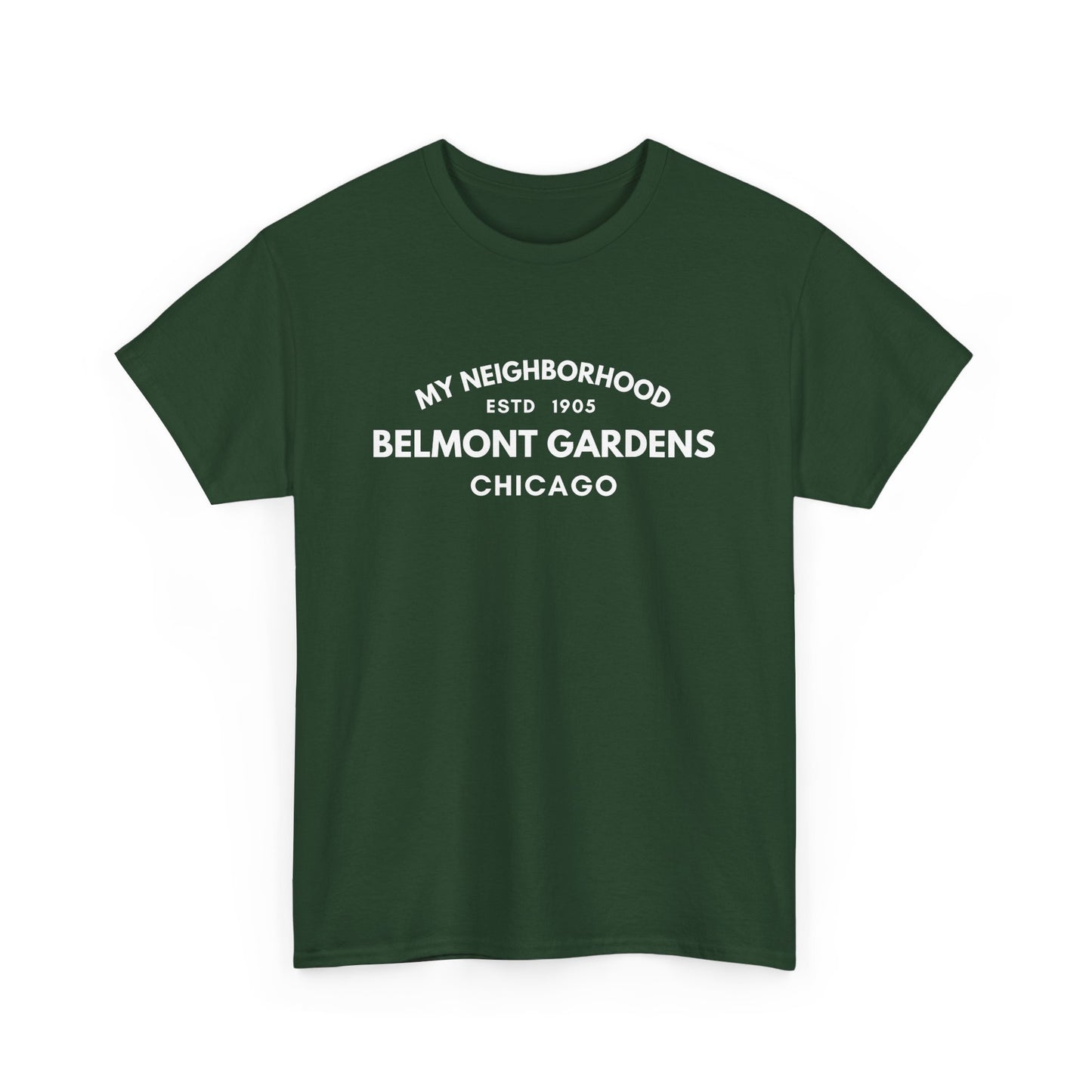
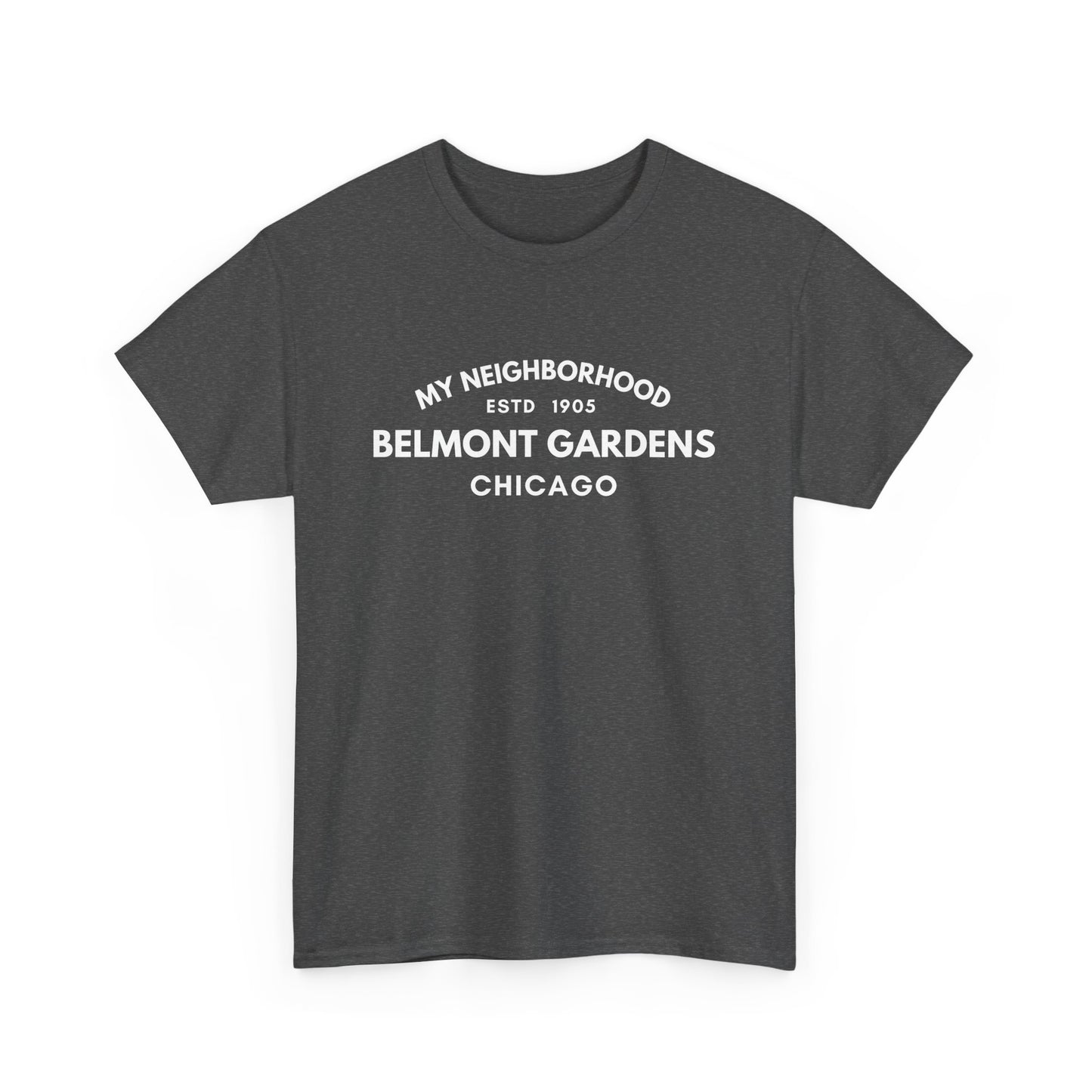
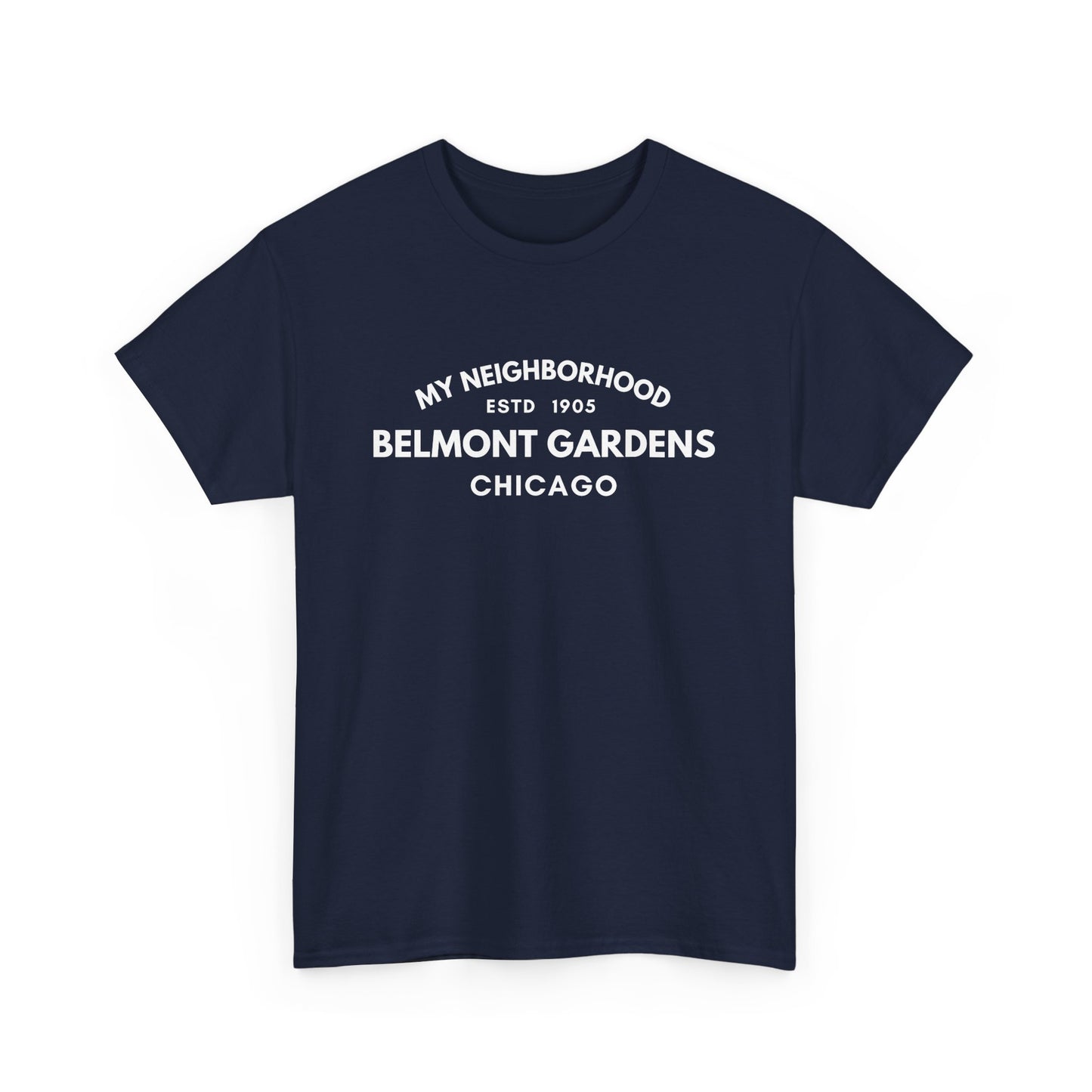
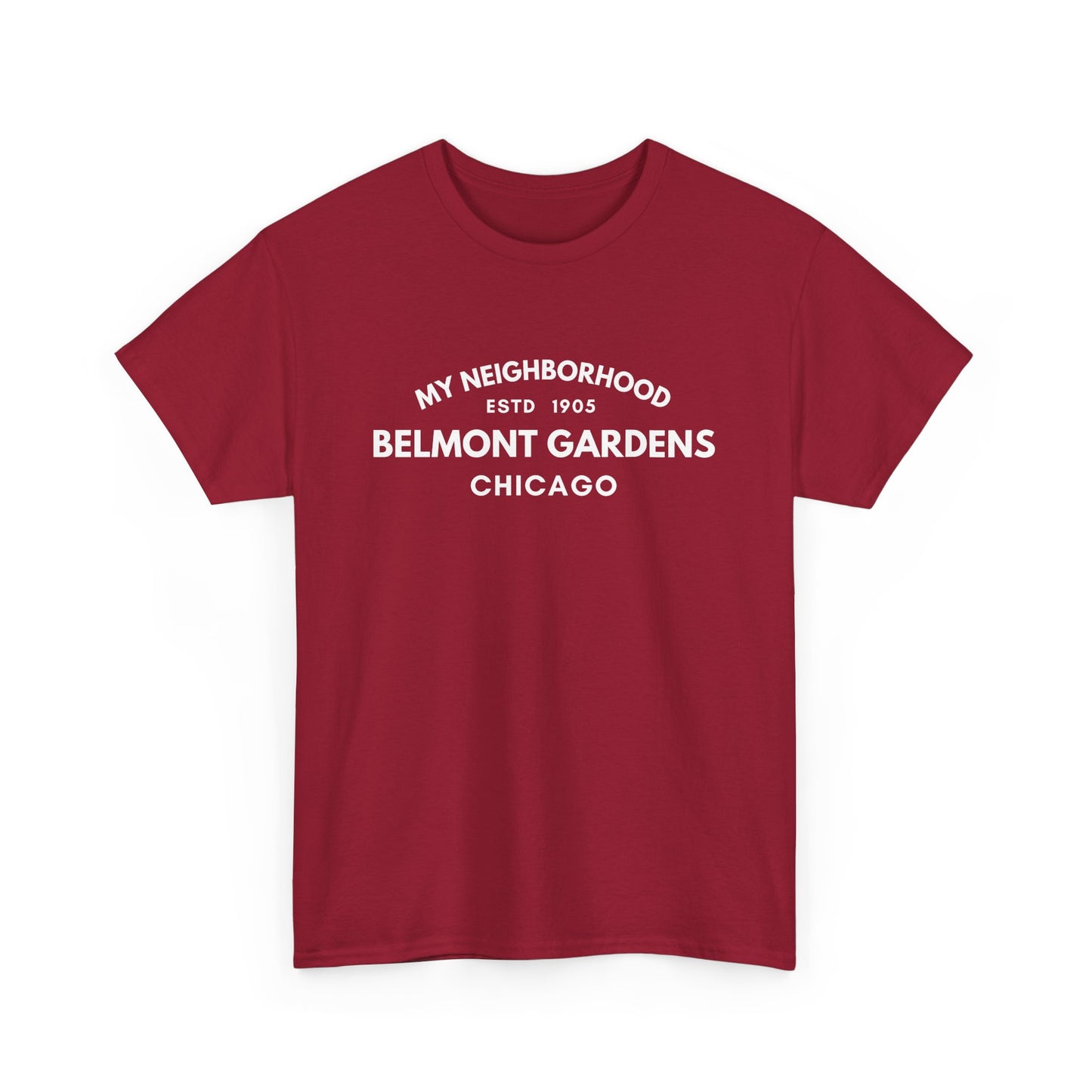
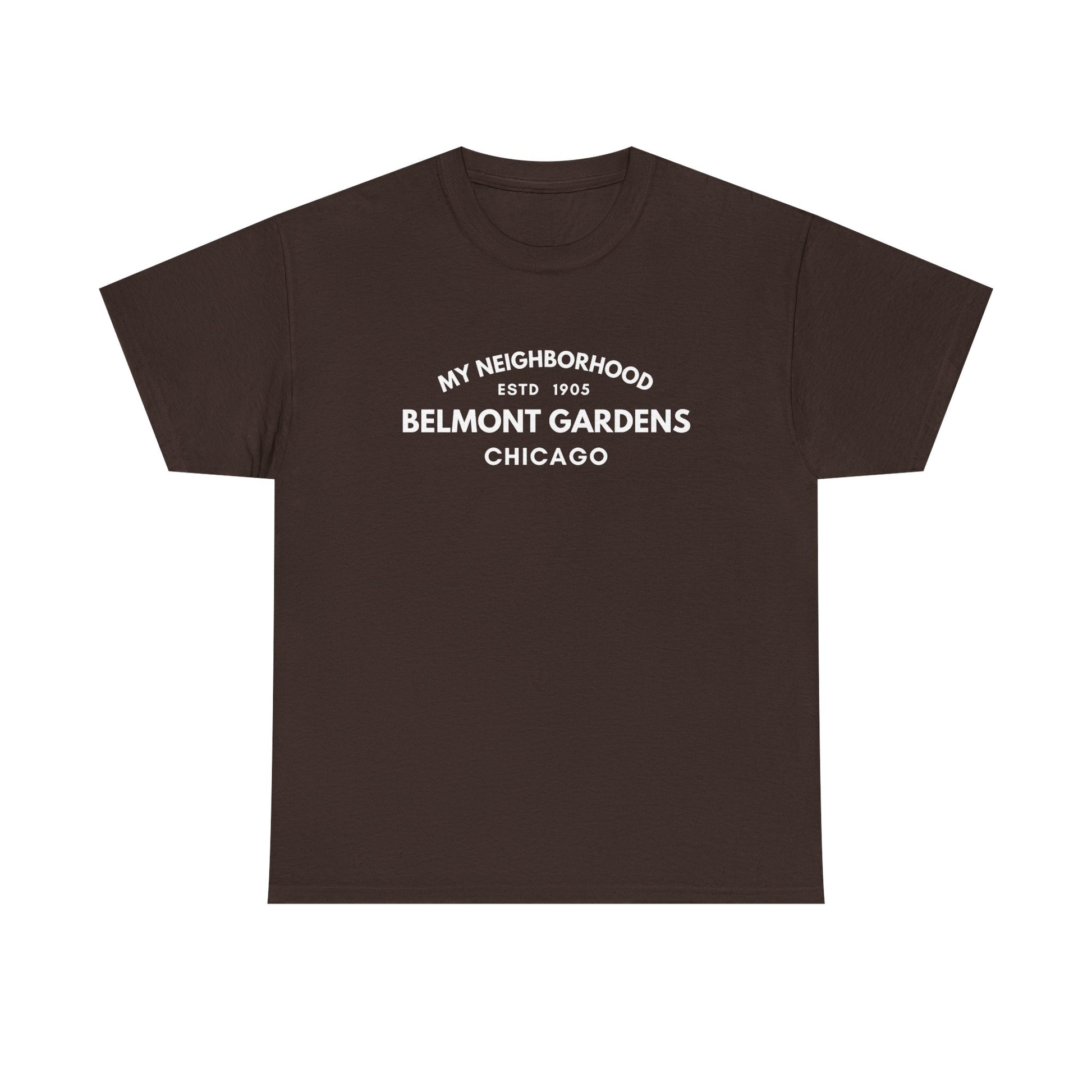
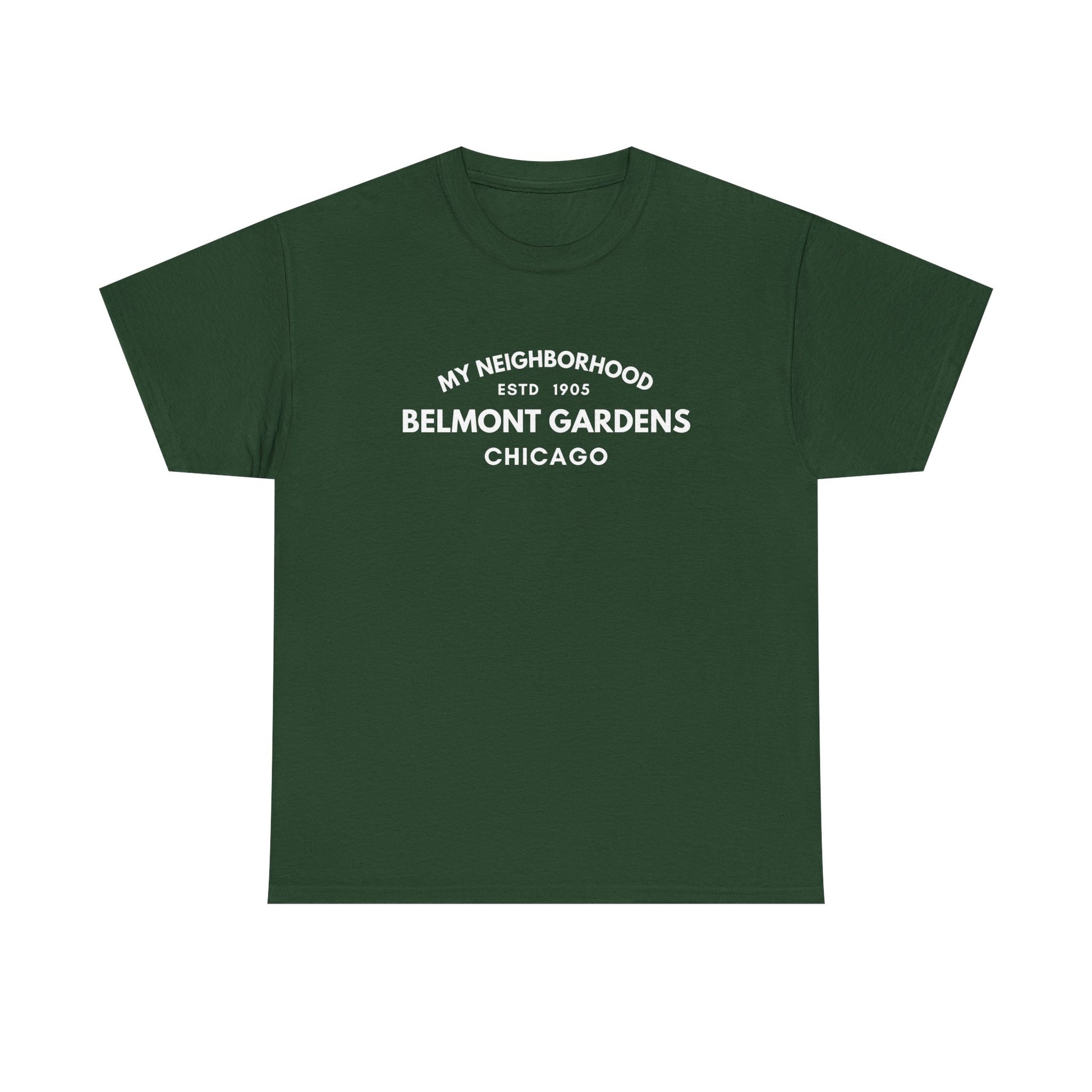
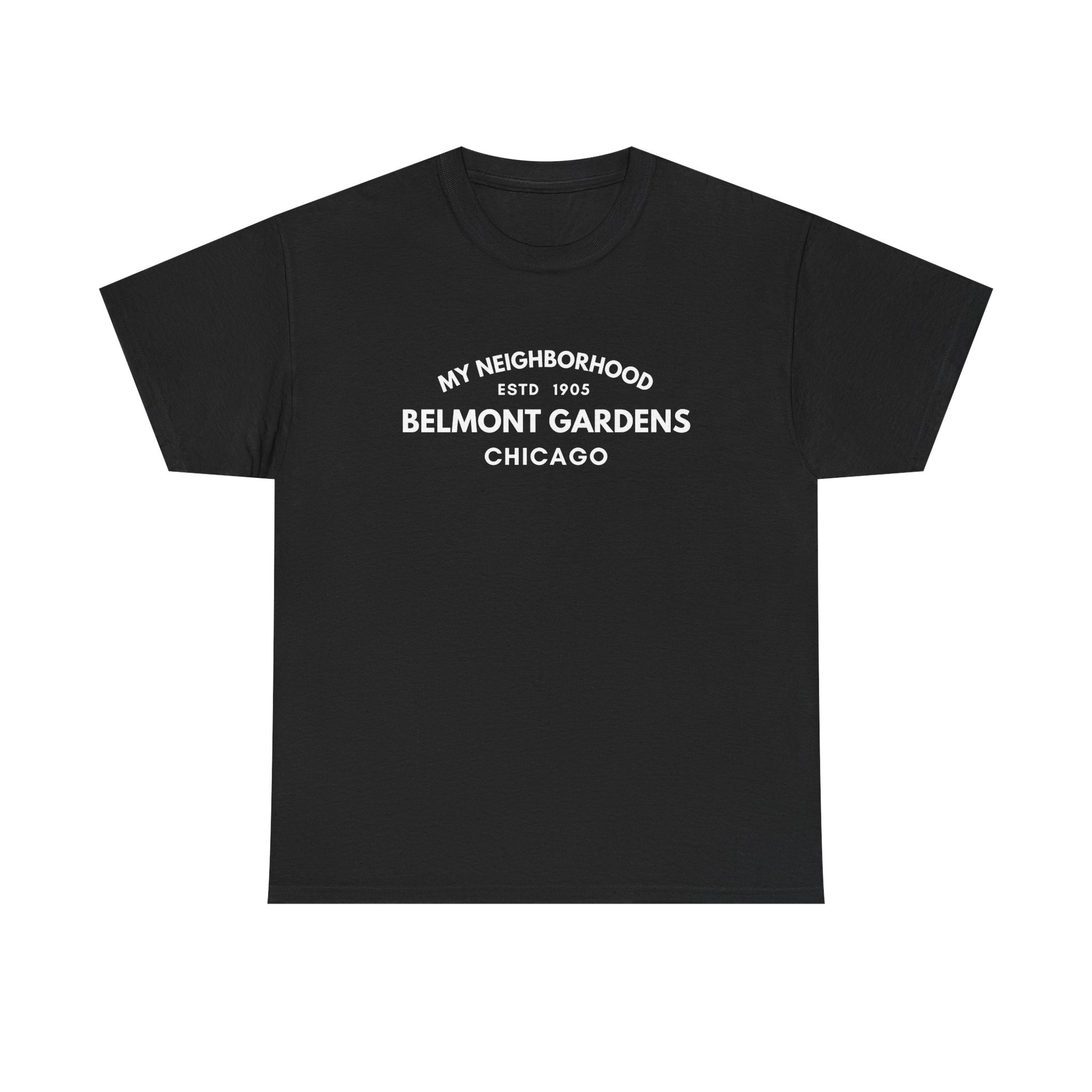
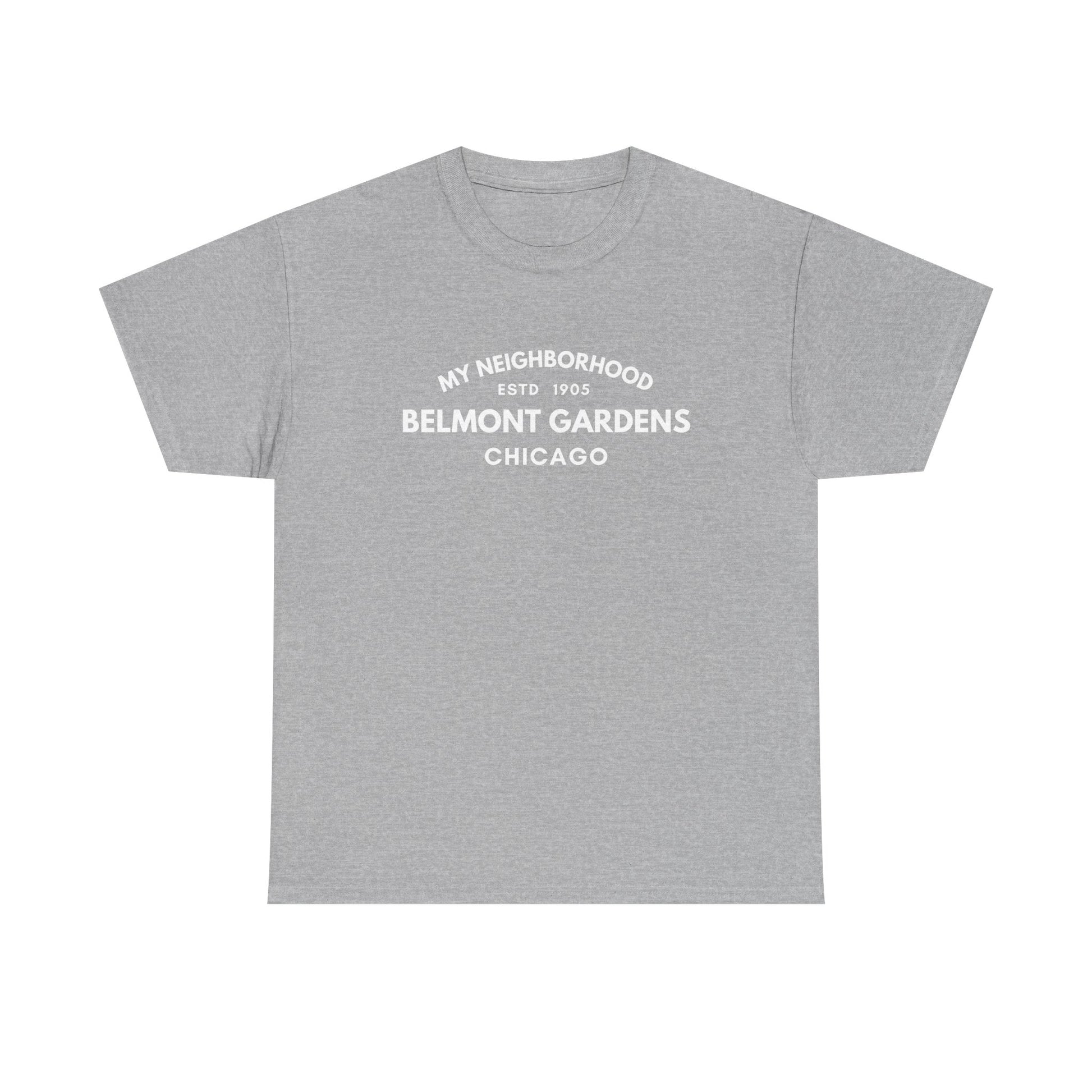
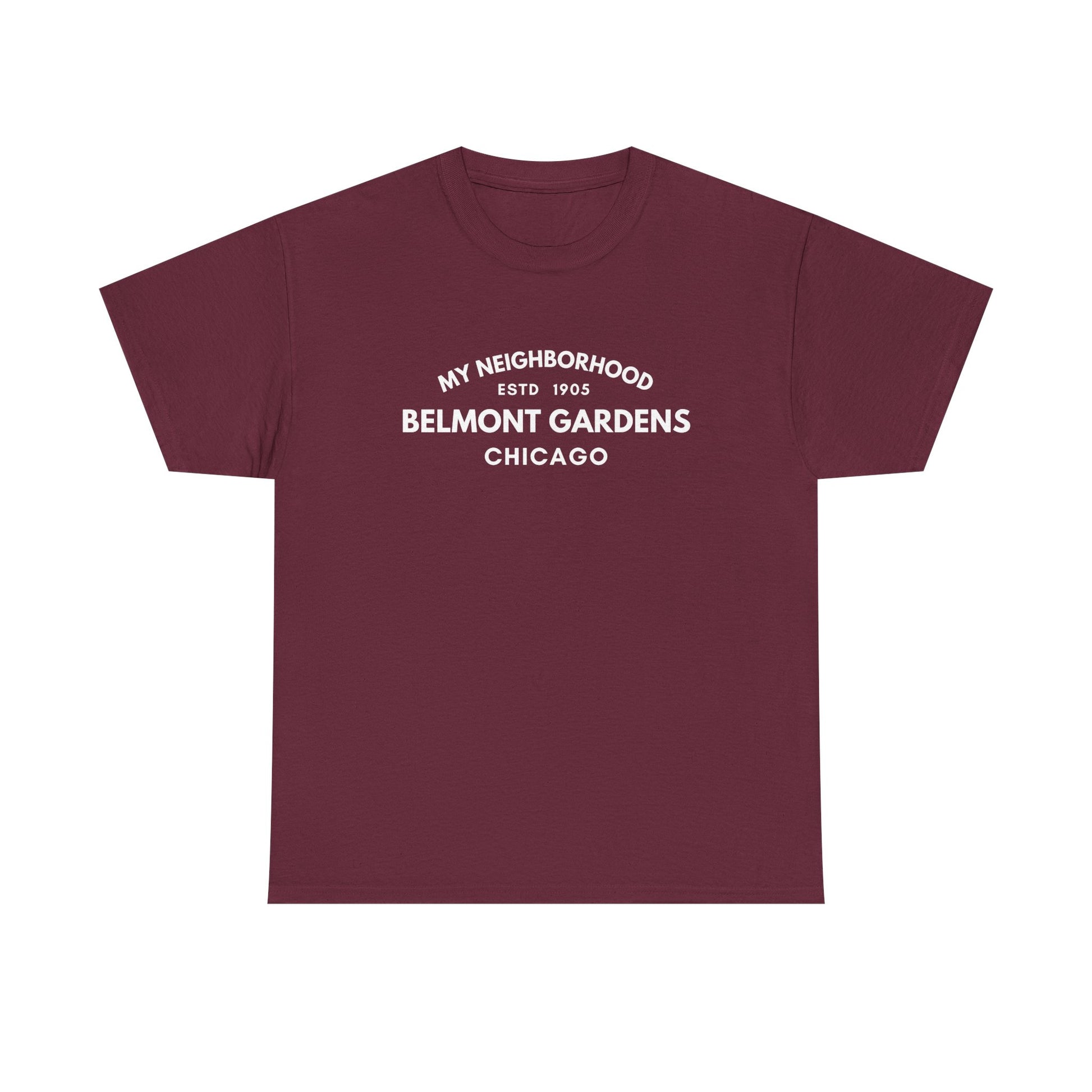
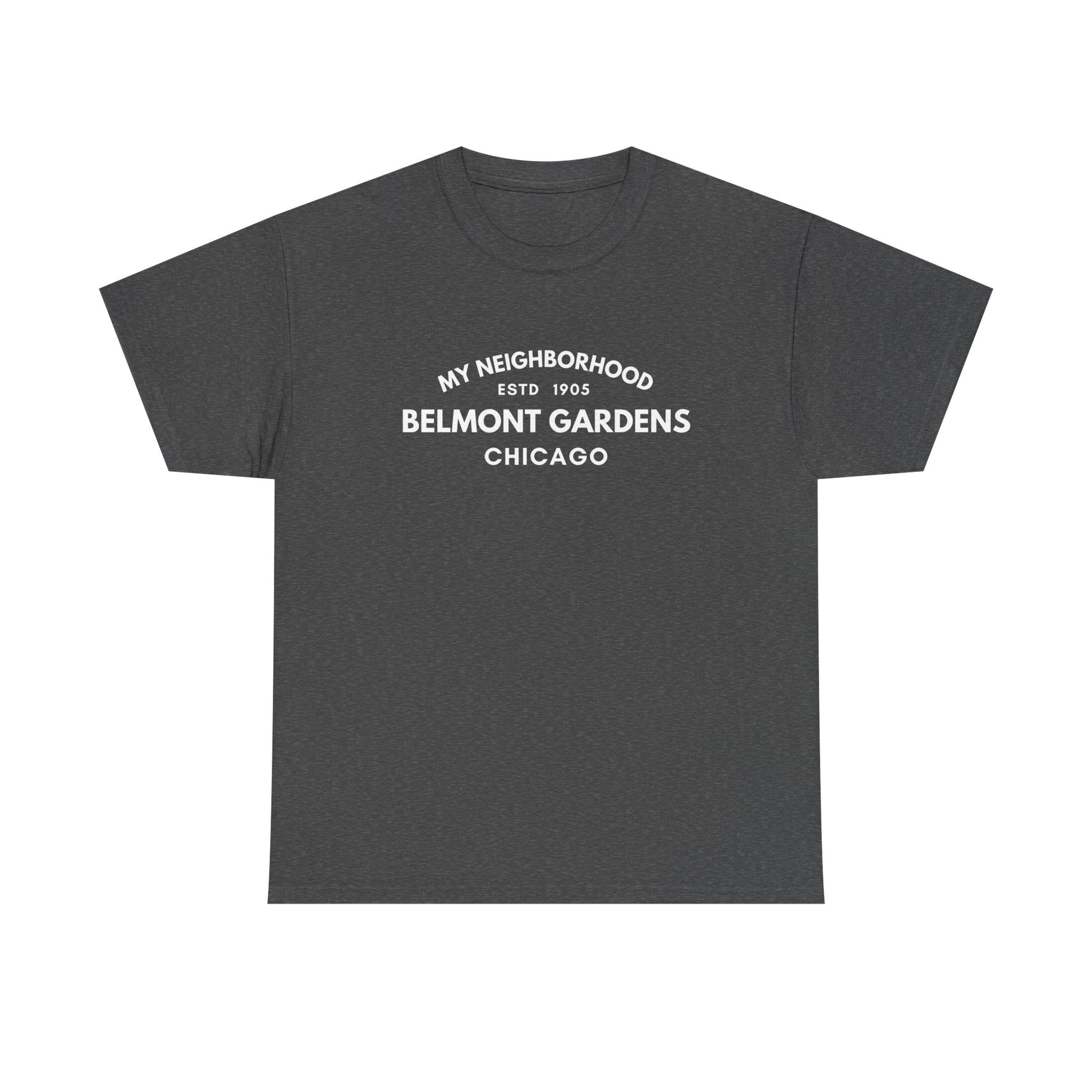
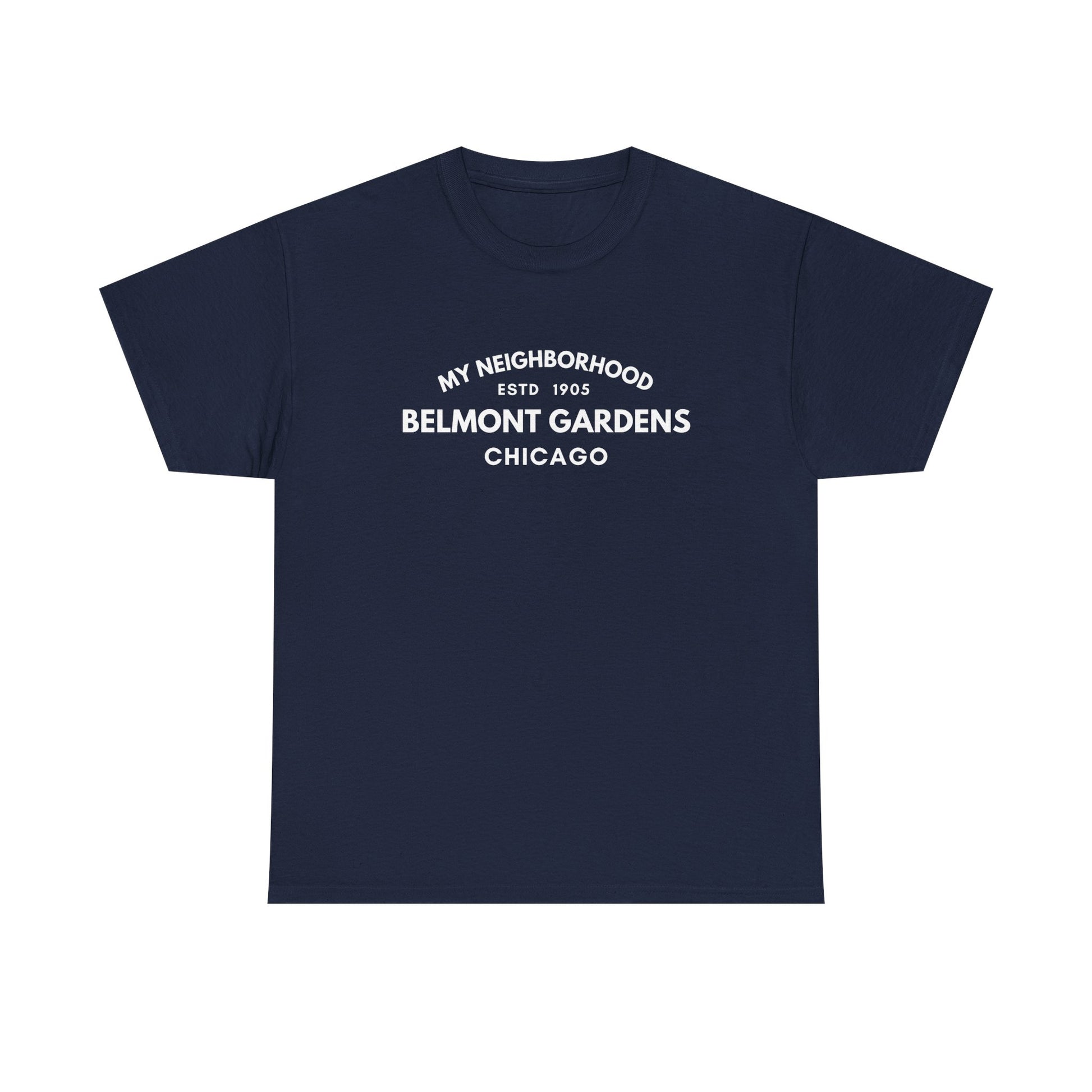
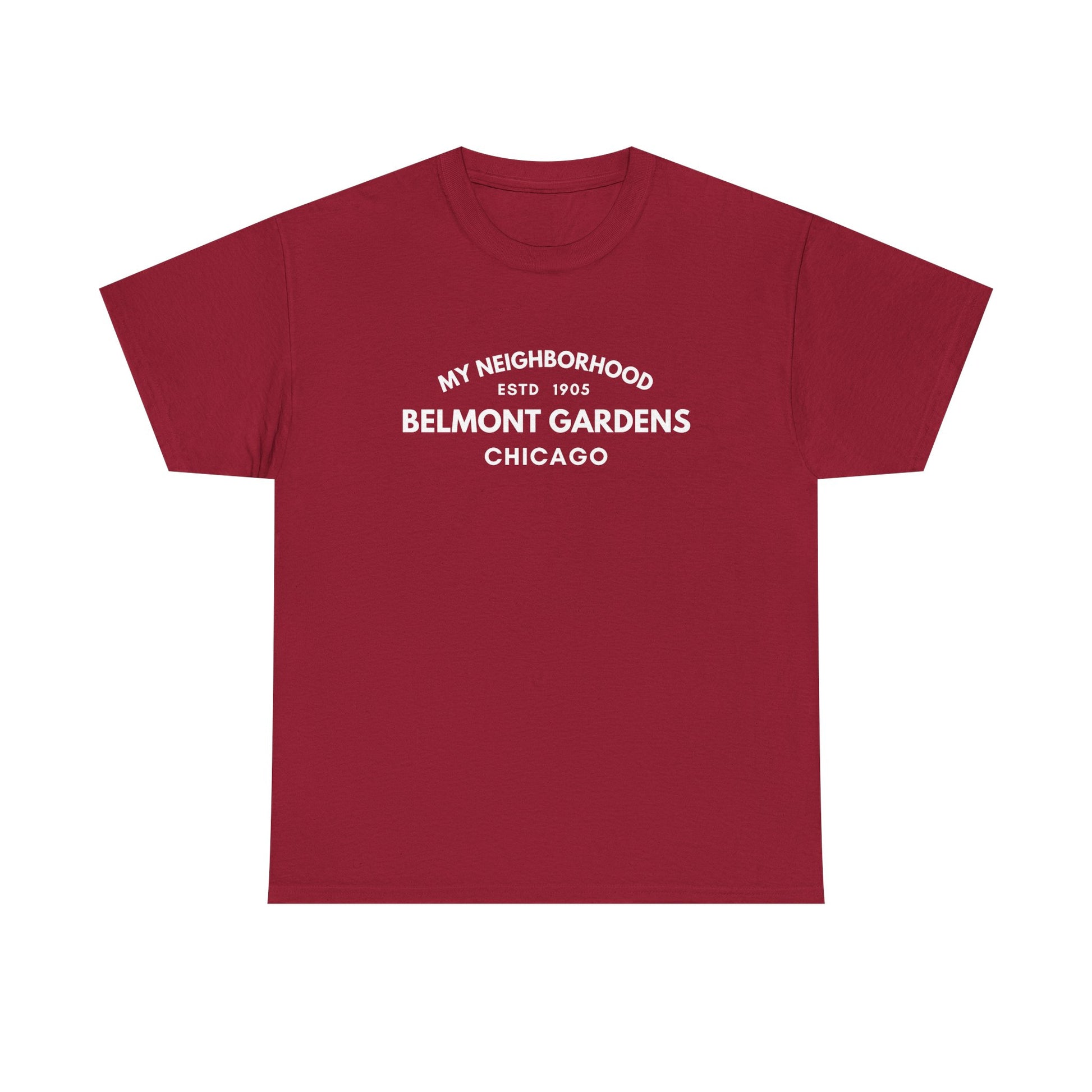
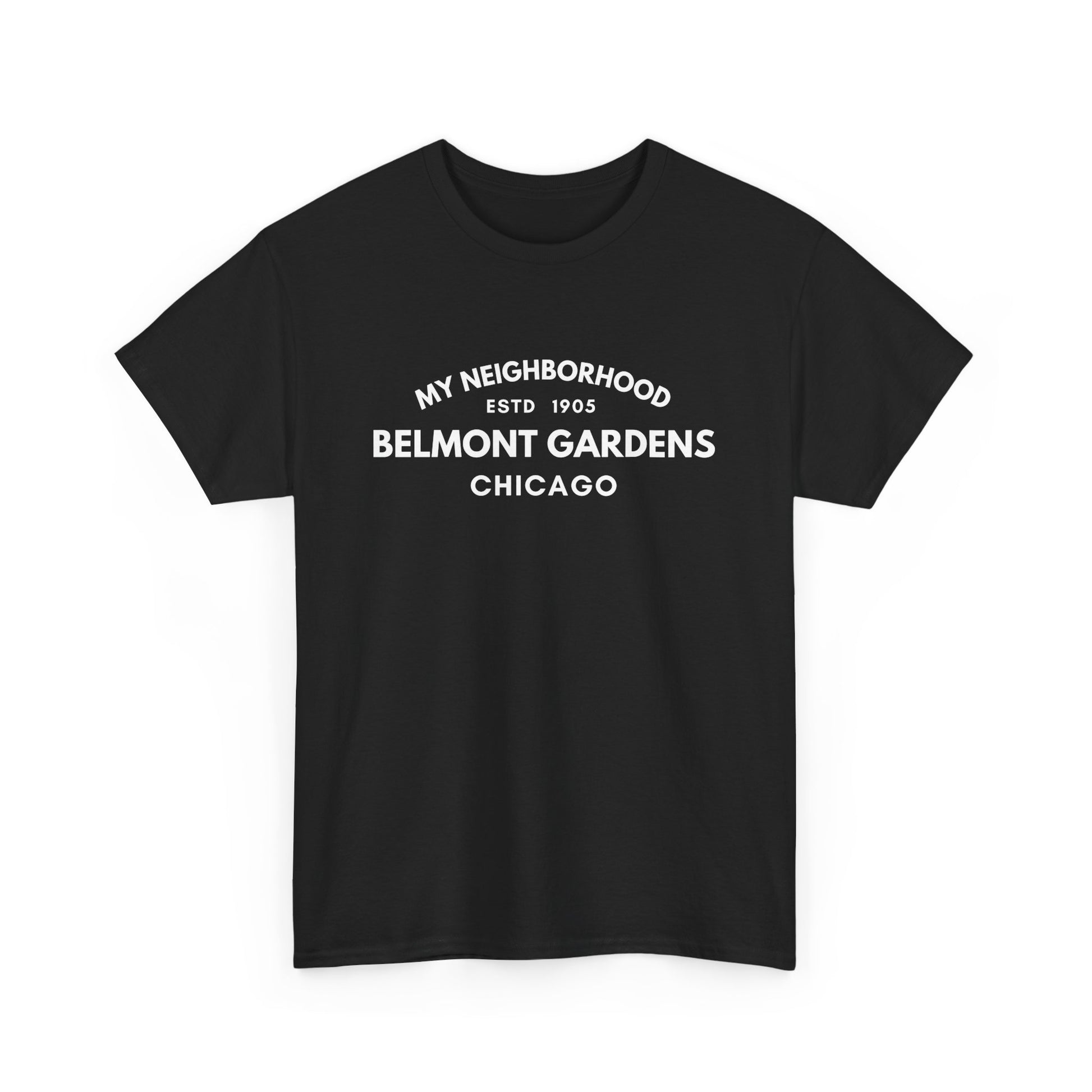
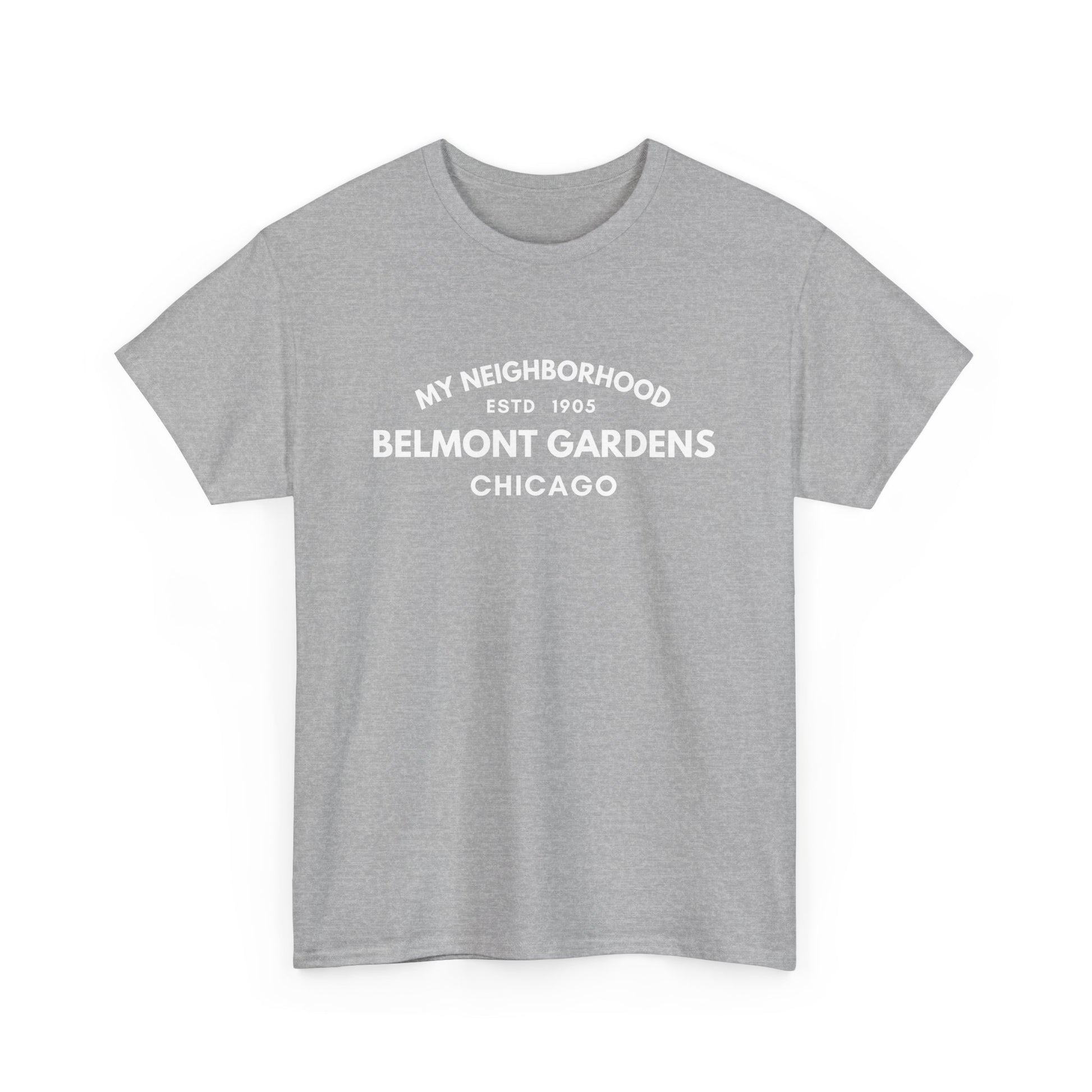
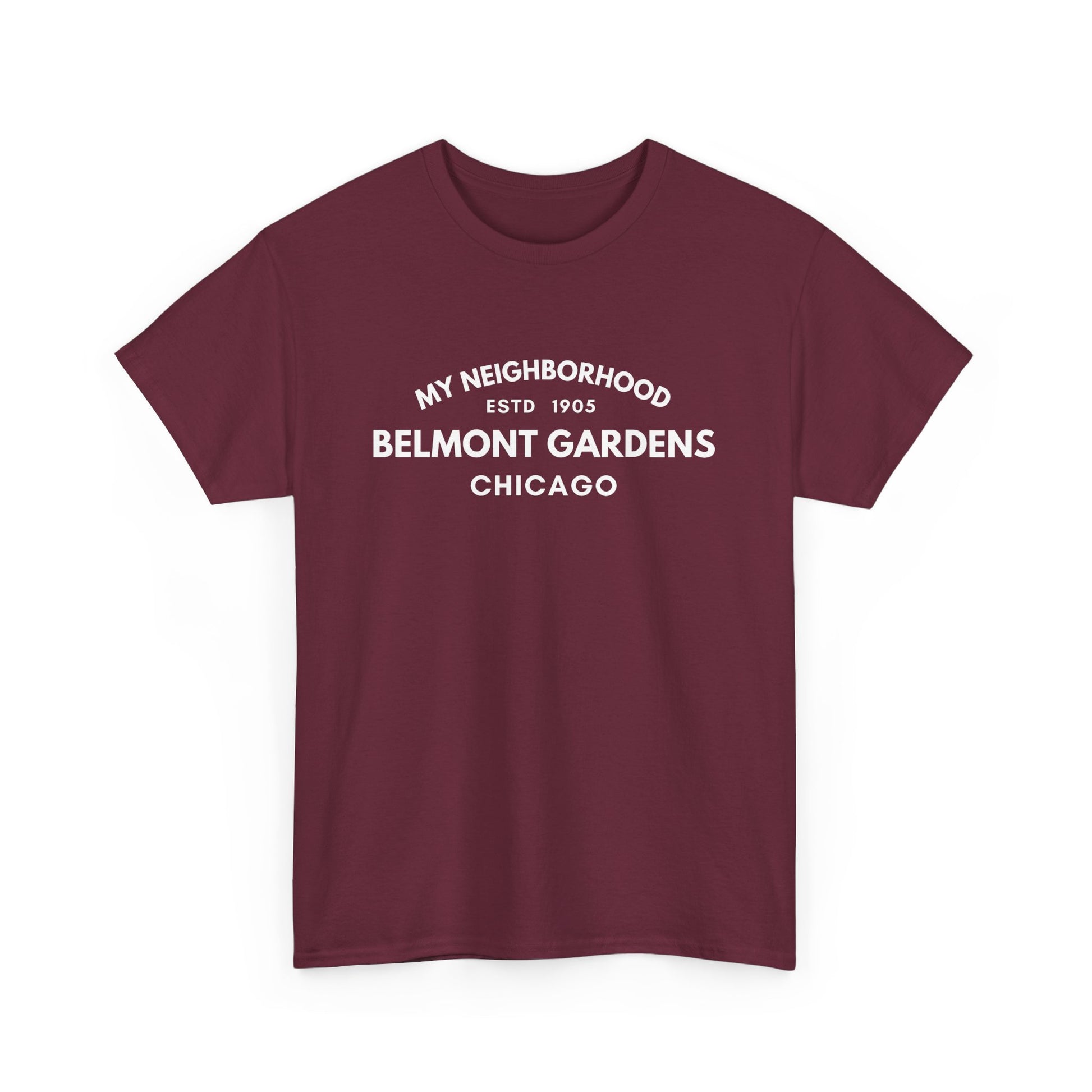
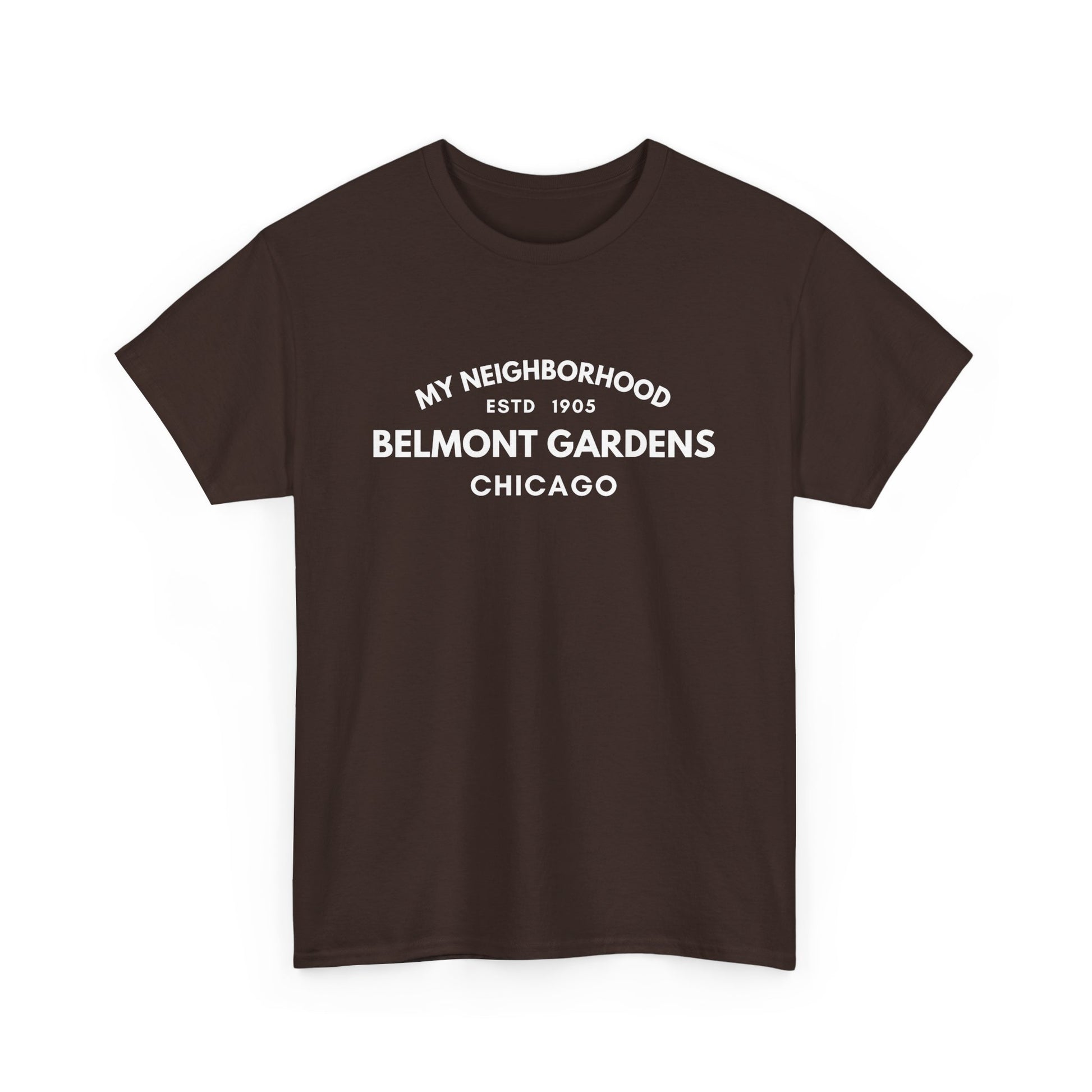
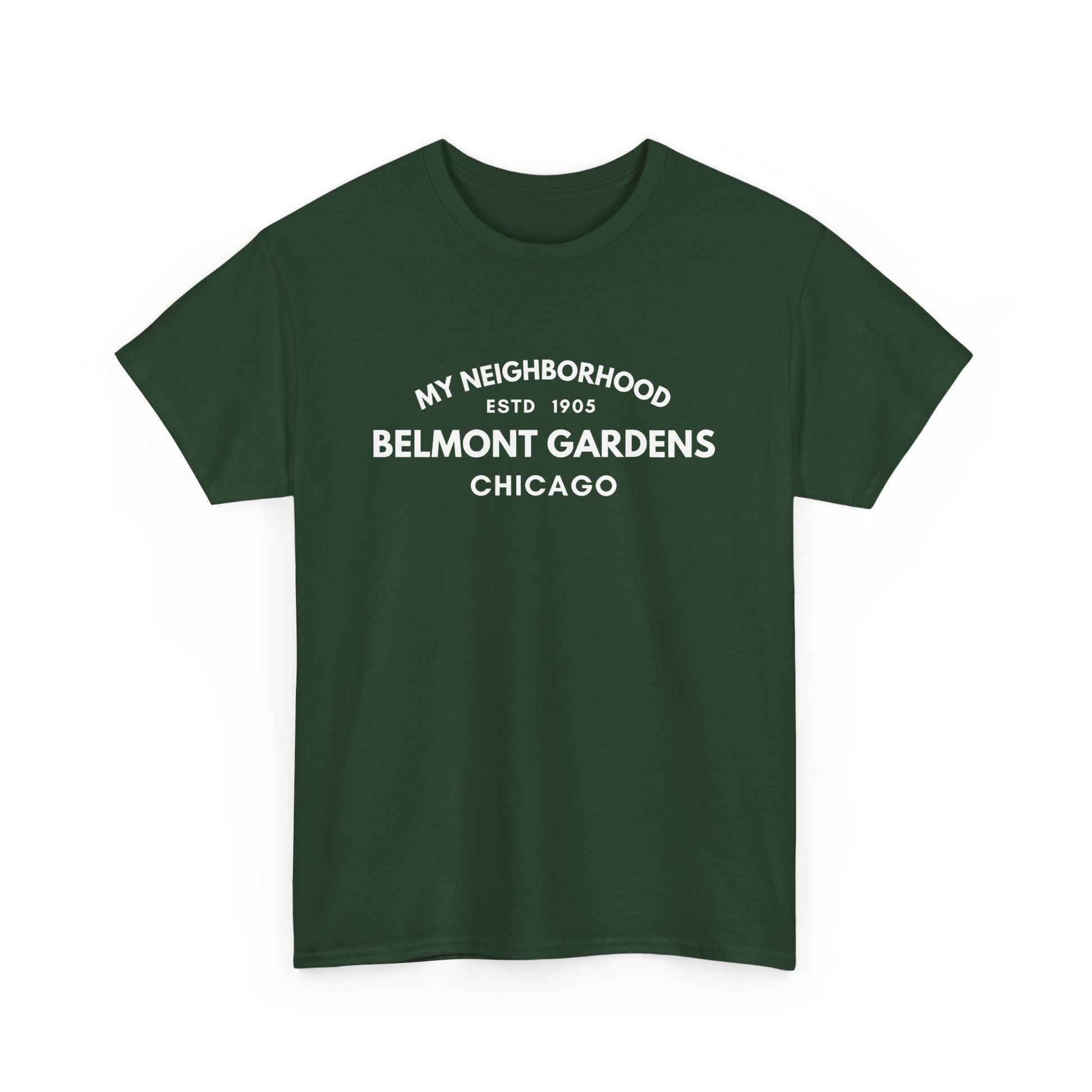
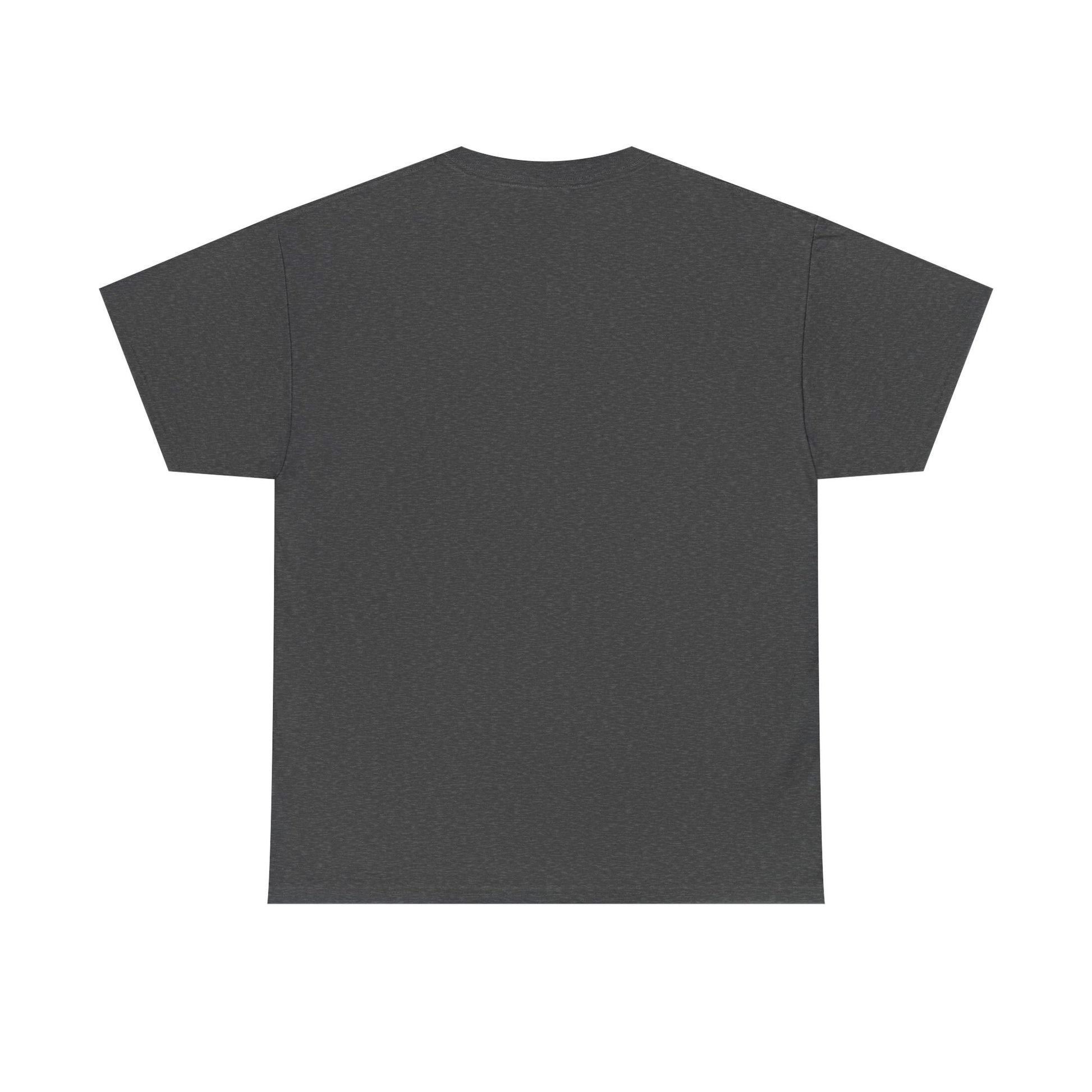
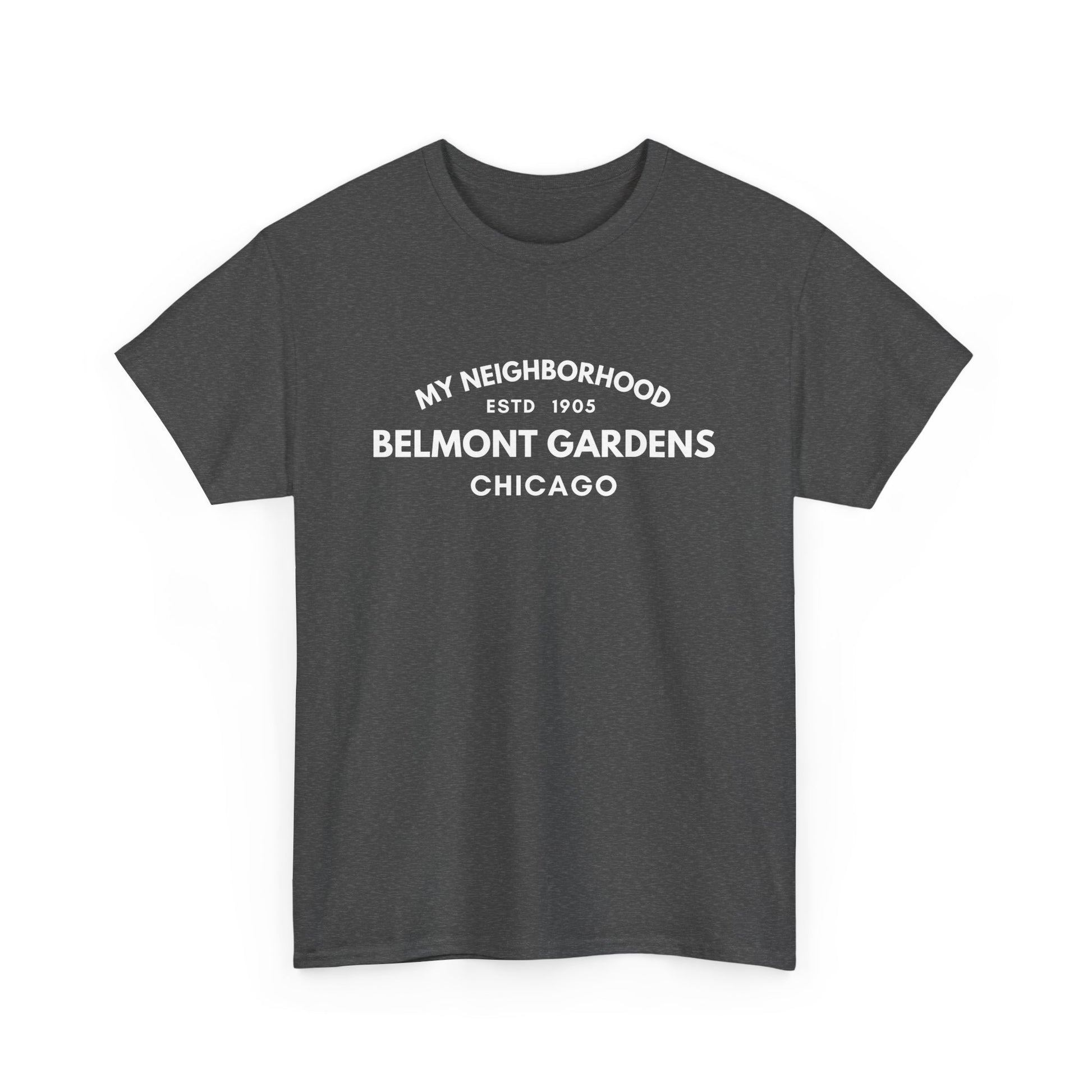
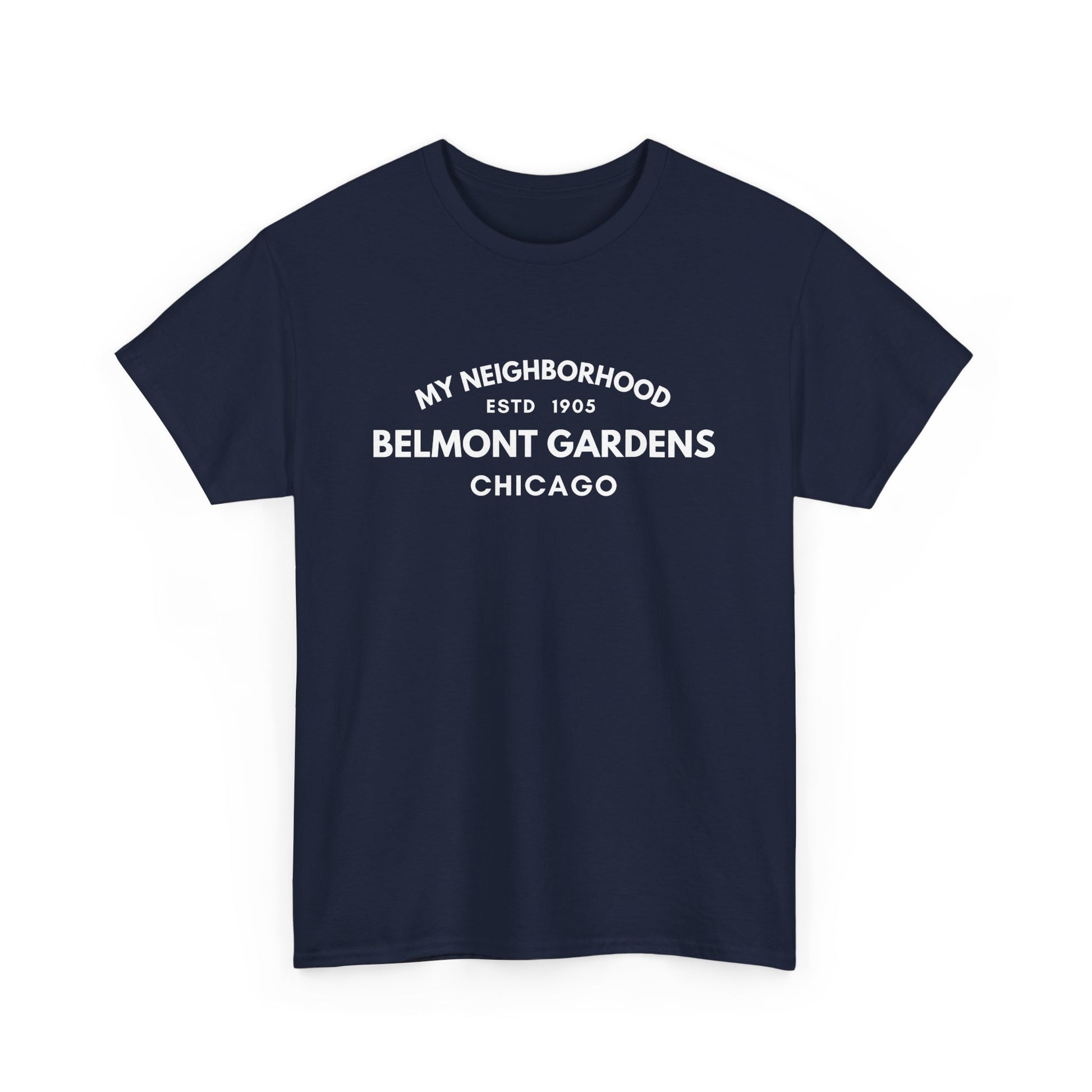
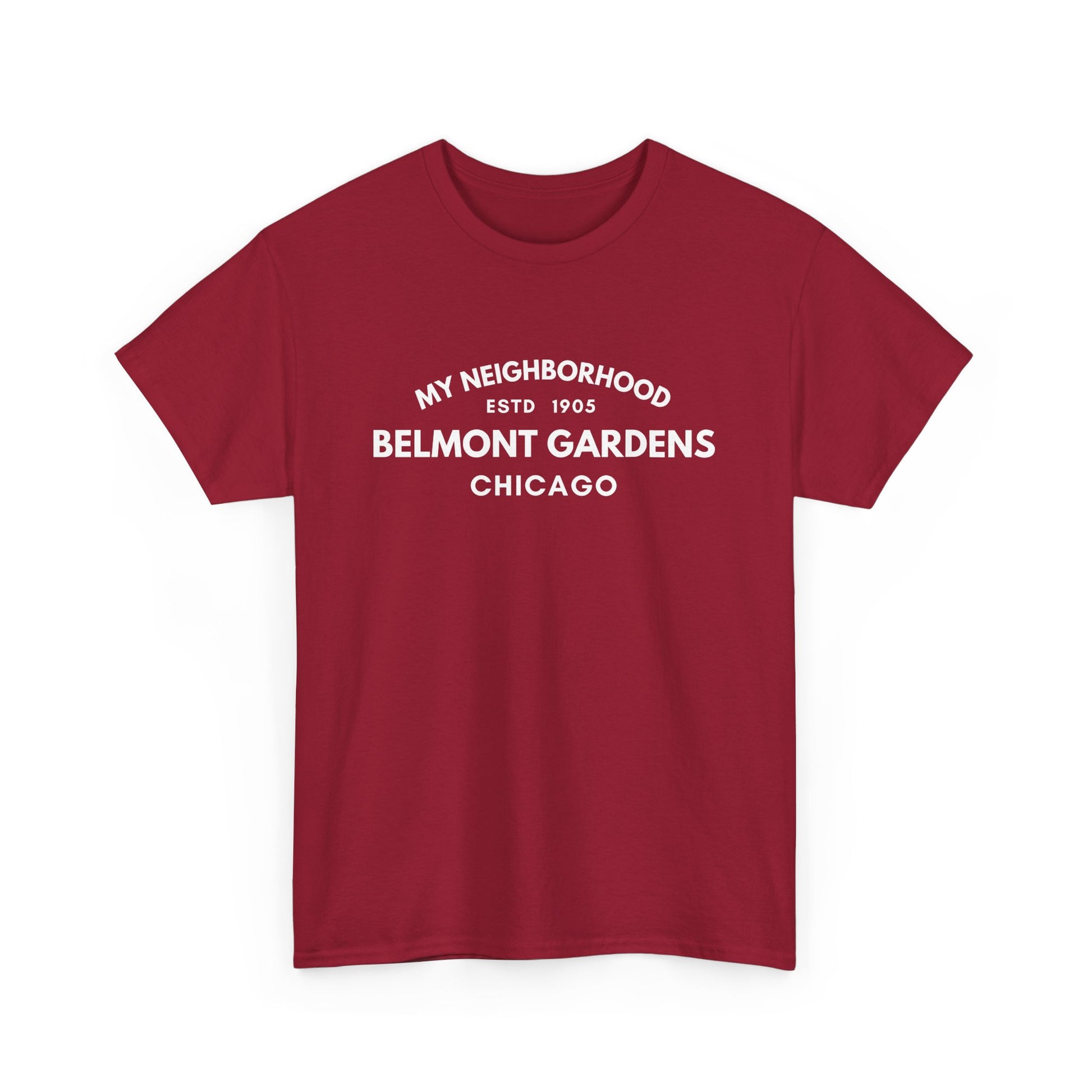
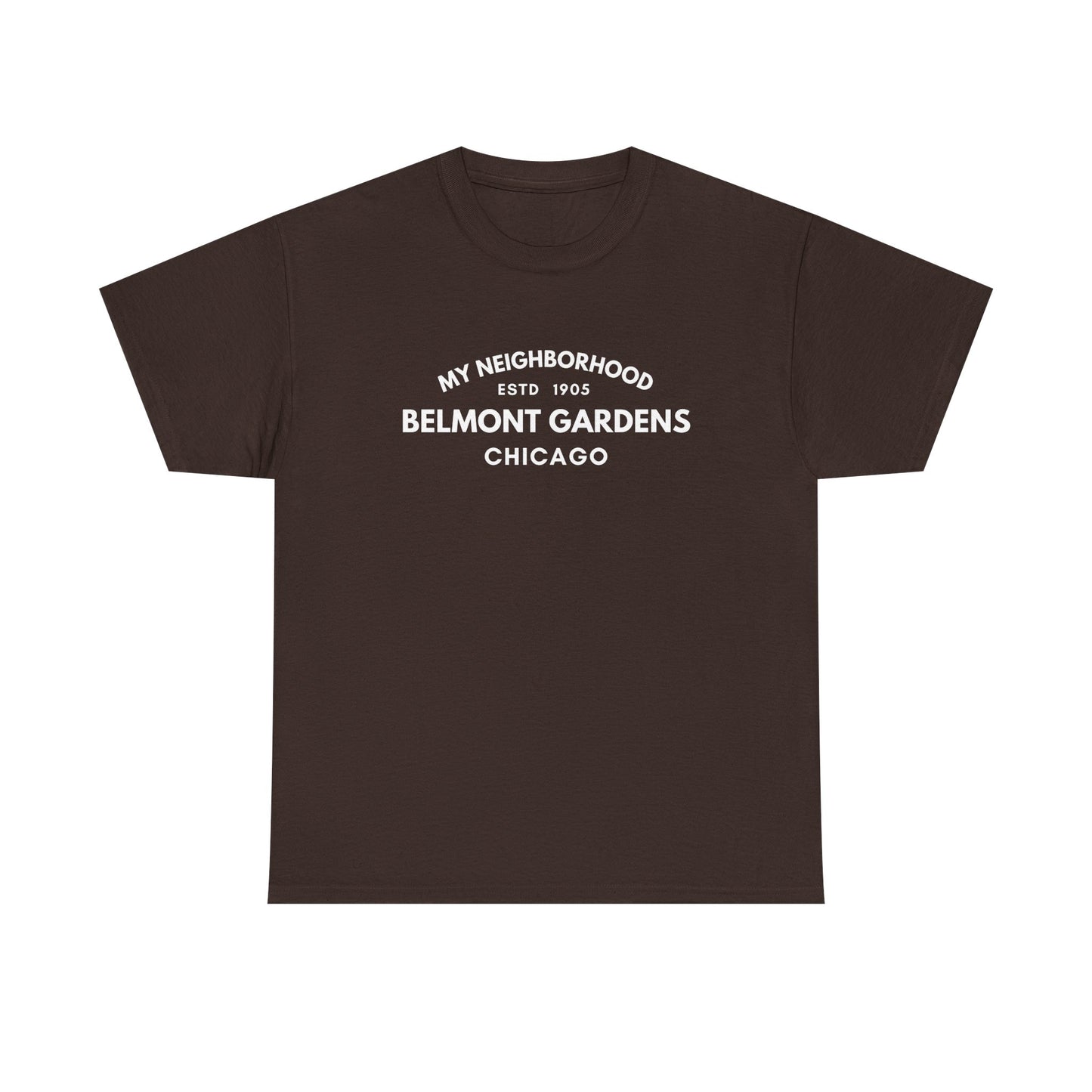
Belmont Gardens - Chicago - Unisex Cotton Tee
Couldn't load pickup availability
Belmont Gardens grew up after industrialist Homer Pennock’s 1880s factory village failed, and the farmland around it joined Chicago in 1889. It became part of the Milwaukee Avenue Polish corridor, with the rail-served Pulaski Industrial Corridor along its western edge.
Share