


Skip to product information
1 of 27

Local Landmarks & Heritage

  • Corwith Intermodal Yard
  • Brighton Park Crossing
  • Chicago Sanitary and Ship Canal
  • Chicago Park District headquarters

Neighborhood History

Brighton Park's name was borrowed from the Brighton section of Boston, chosen in the 1850s to evoke that area's famous livestock markets. Local businessman John McCaffrey, later remembered as the neighborhood's founding figure, subdivided the marshy land and built a plank road along what's now Western Avenue, and the Village of Brighton Park incorporated in 1851. A stockyard opened here in 1857, but the plan to make Brighton Park Chicago's livestock capital was overtaken when the Union Stock Yards opened elsewhere in 1865; the railroads that had been drawn to the area stayed anyway, and Brighton Park became an industrial and rail hub instead, annexed by Chicago in 1889.

That rail identity persists. The Corwith Intermodal Yard, sprawling across nearly a square mile, remains one of Chicago's major freight facilities, while Brighton Park Crossing near Western and Archer is still a key railroad junction. The Chicago Sanitary and Ship Canal, successor to the old Illinois and Michigan Canal, still marks the neighborhood's northern edge.

MY-NHD's Brighton Park pieces carry the same working grit as the rail yards and canal banks that have anchored this corner of the city for more than a century.

MY-NHD

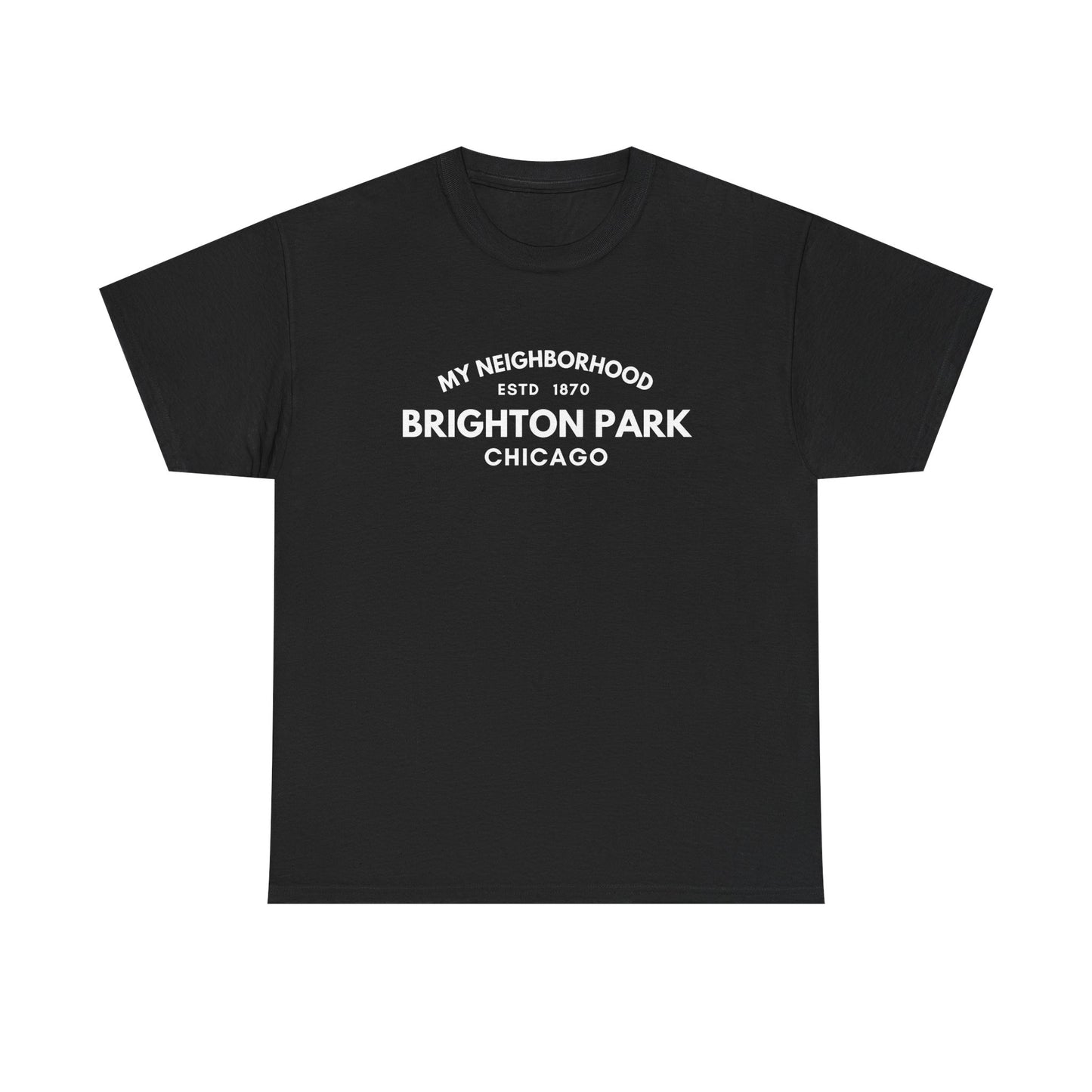
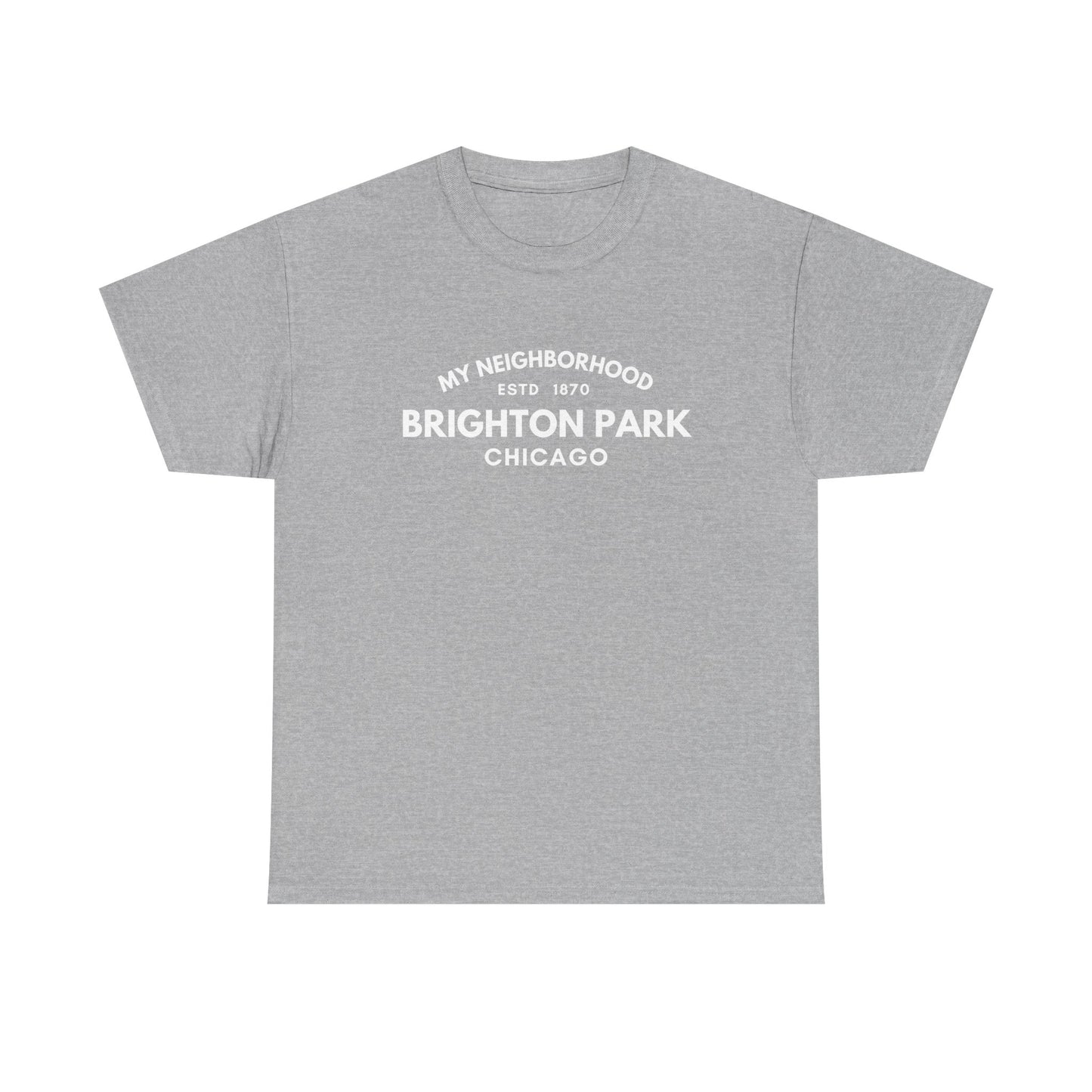
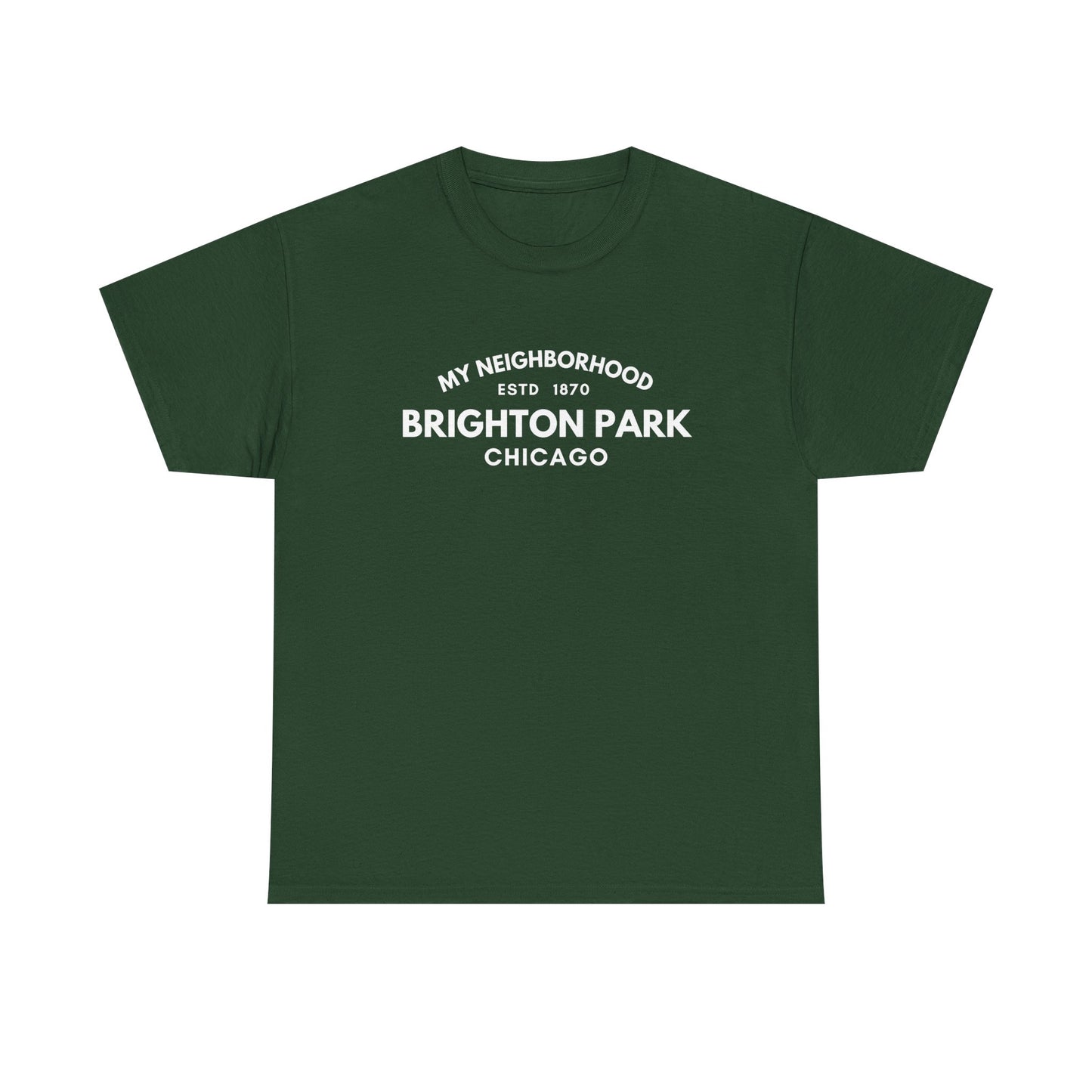
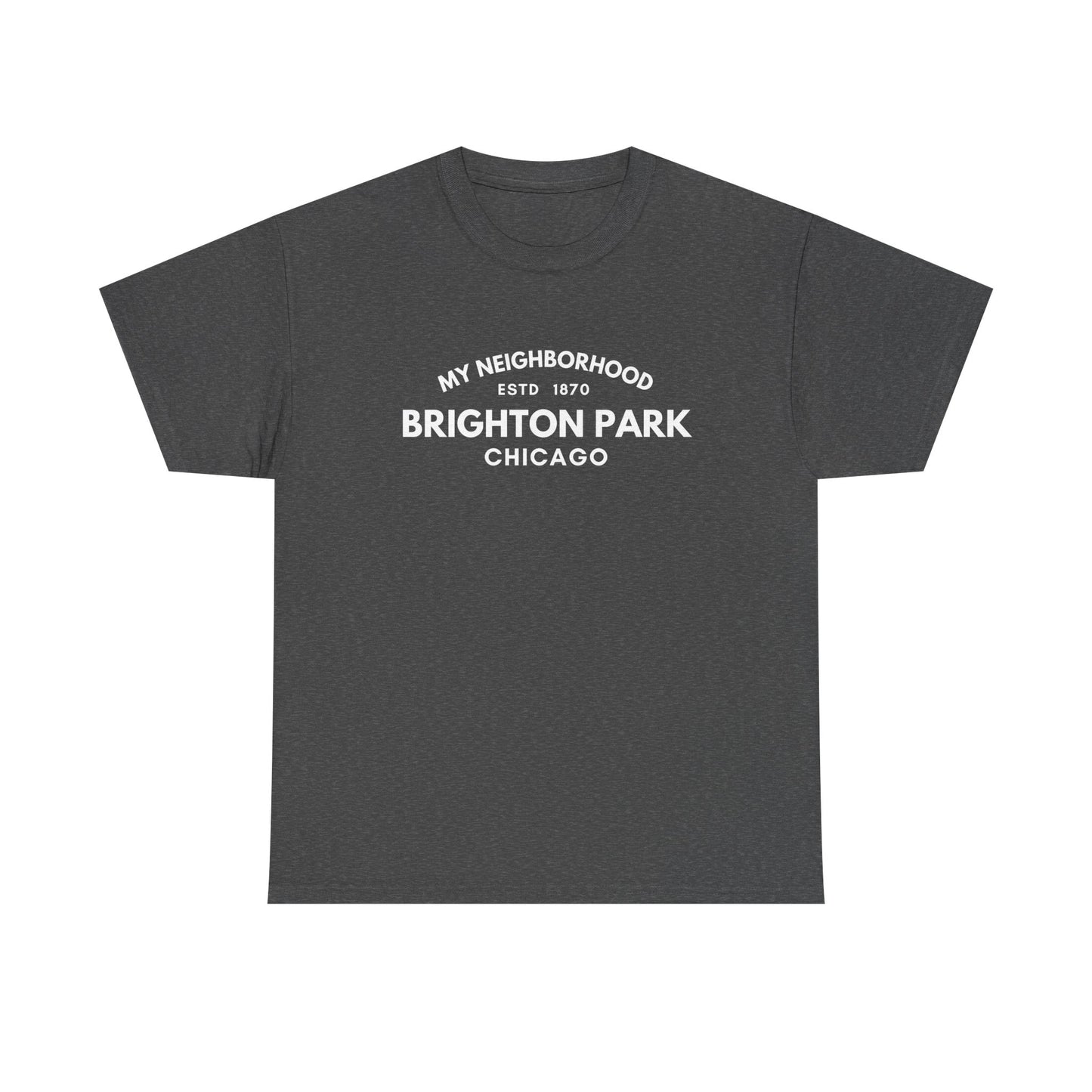
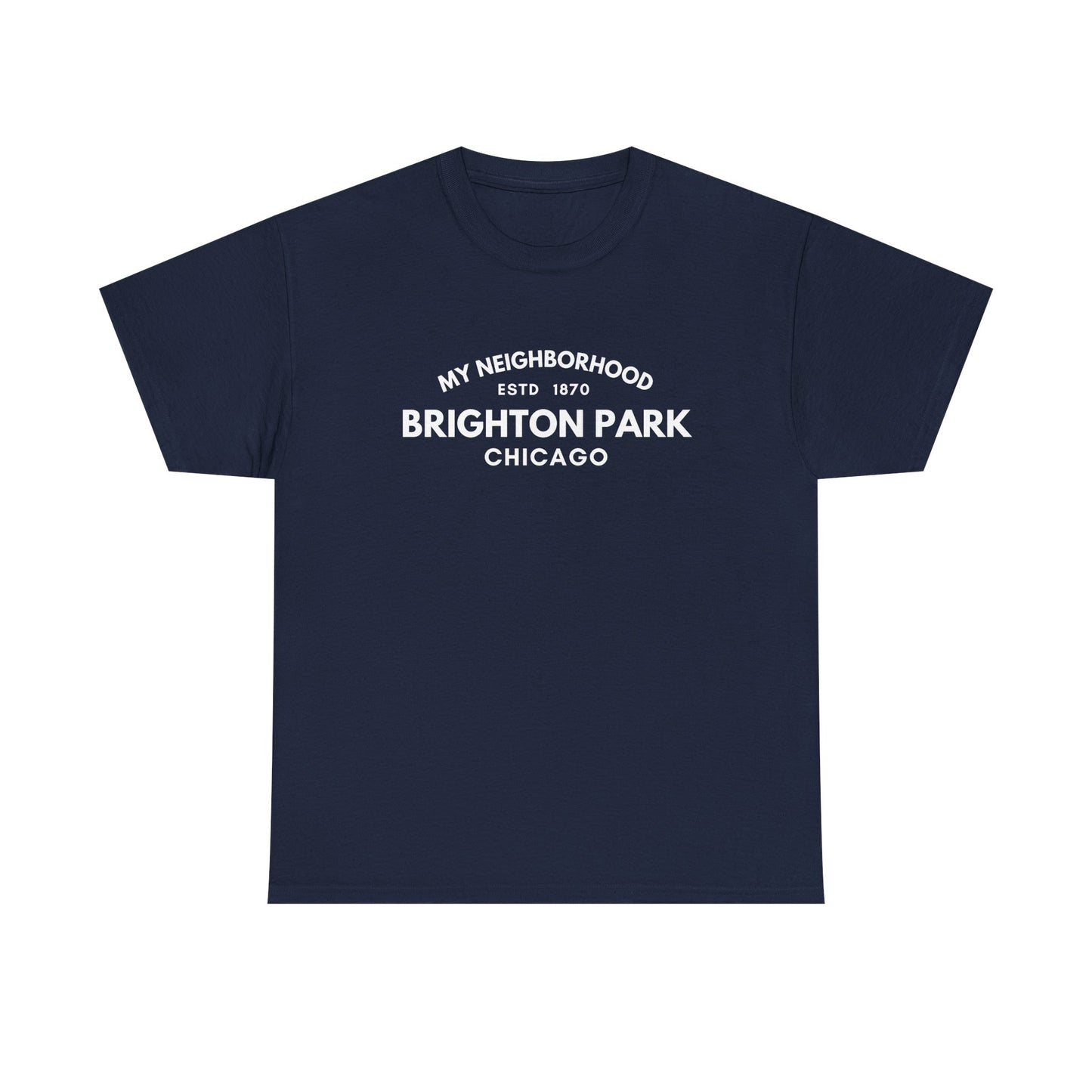
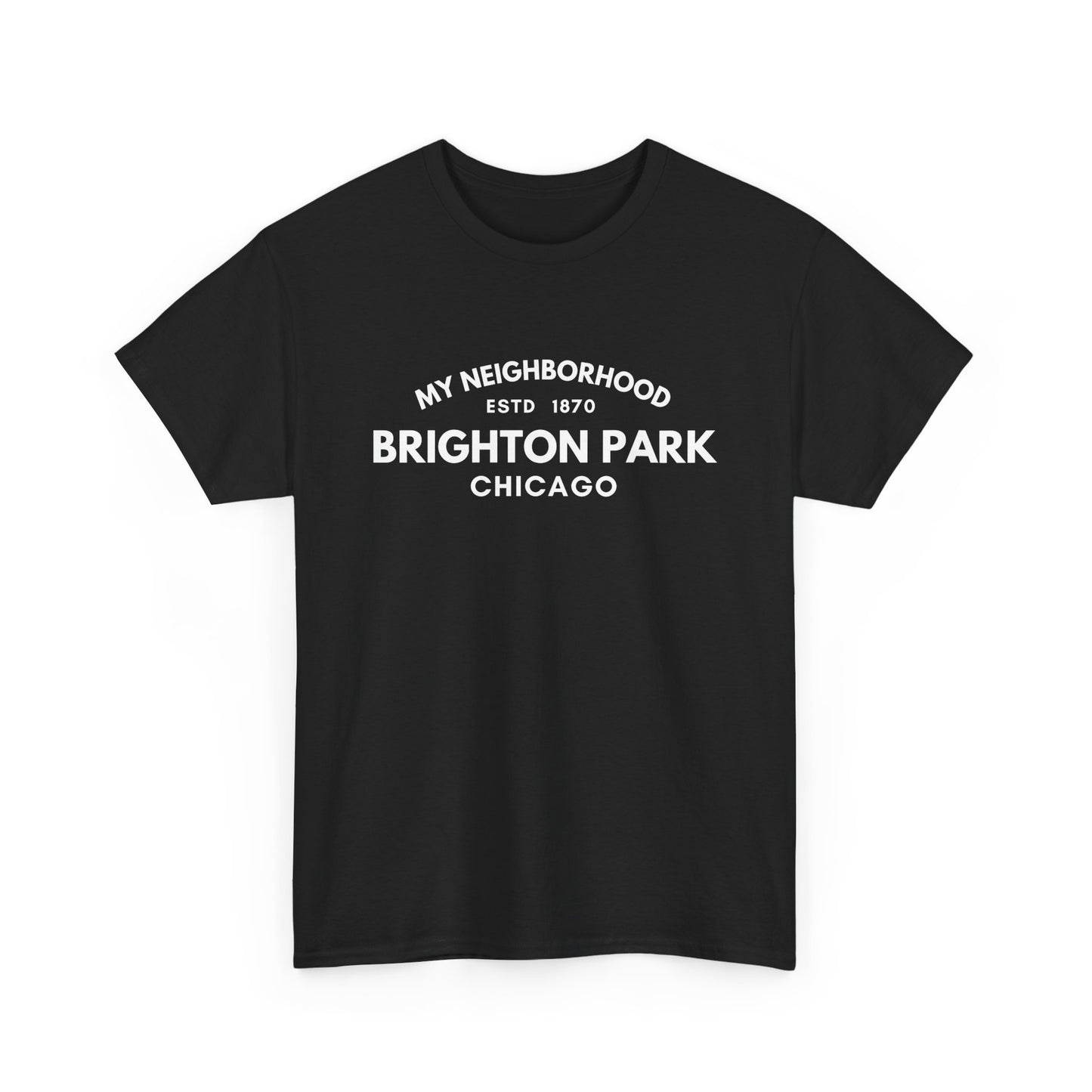
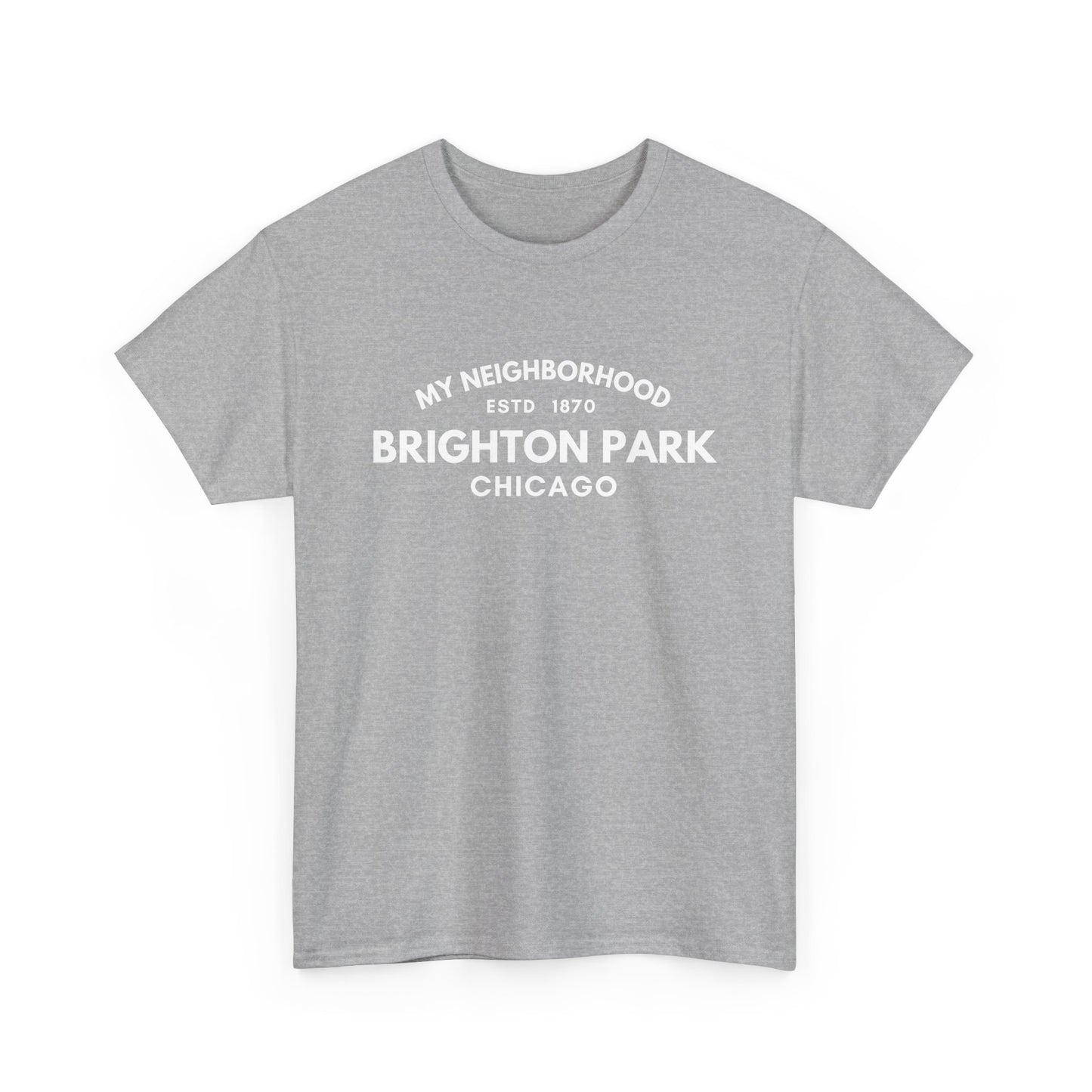
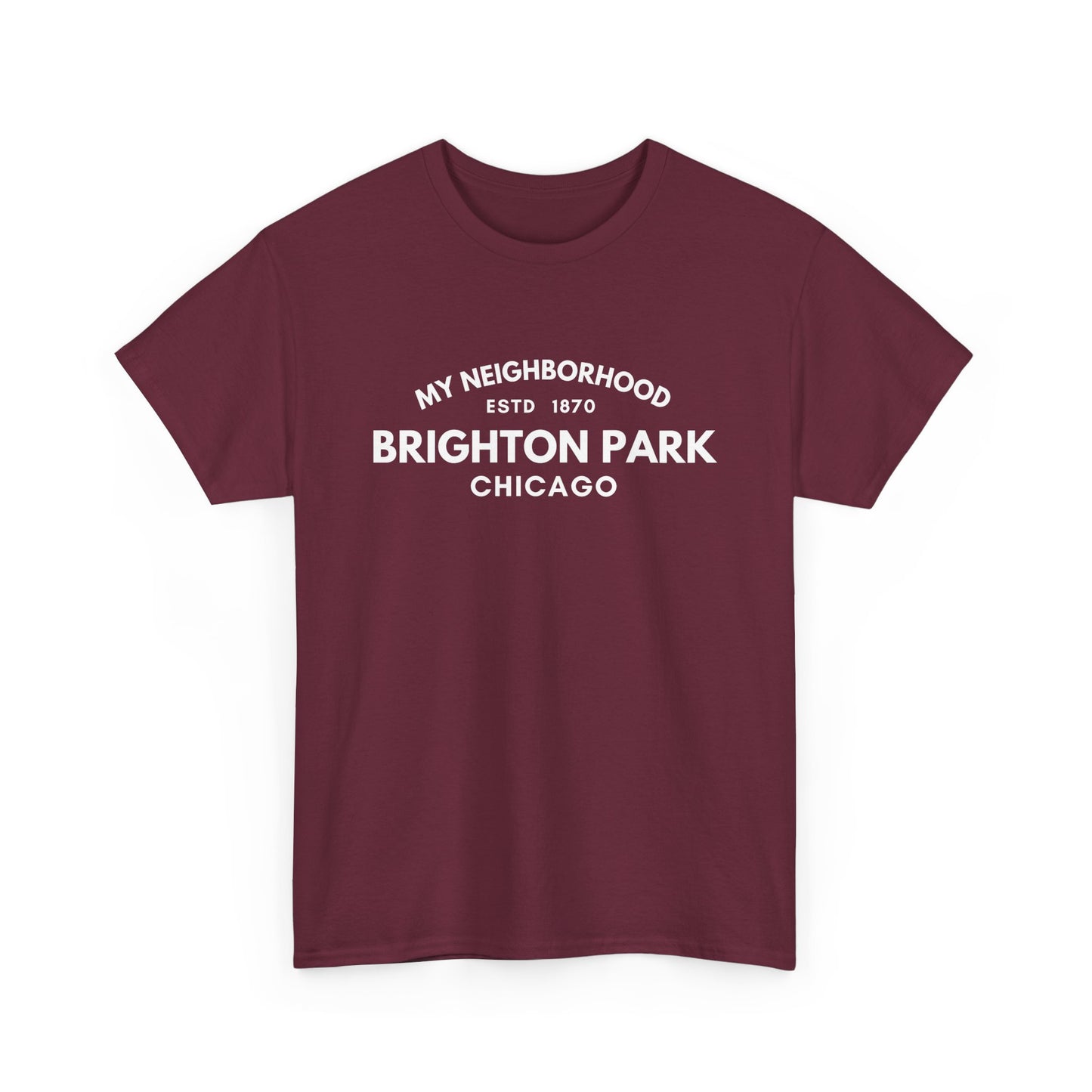
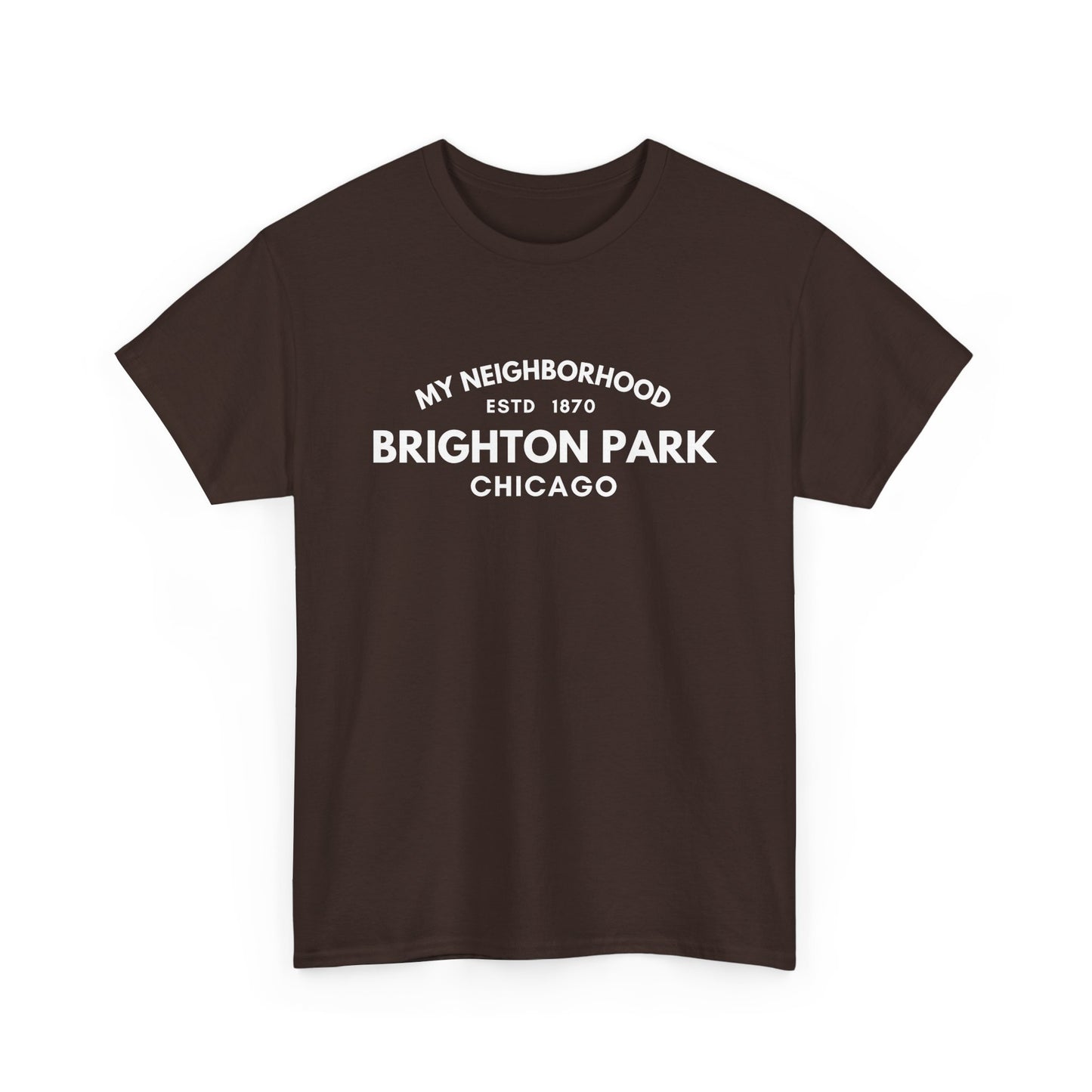
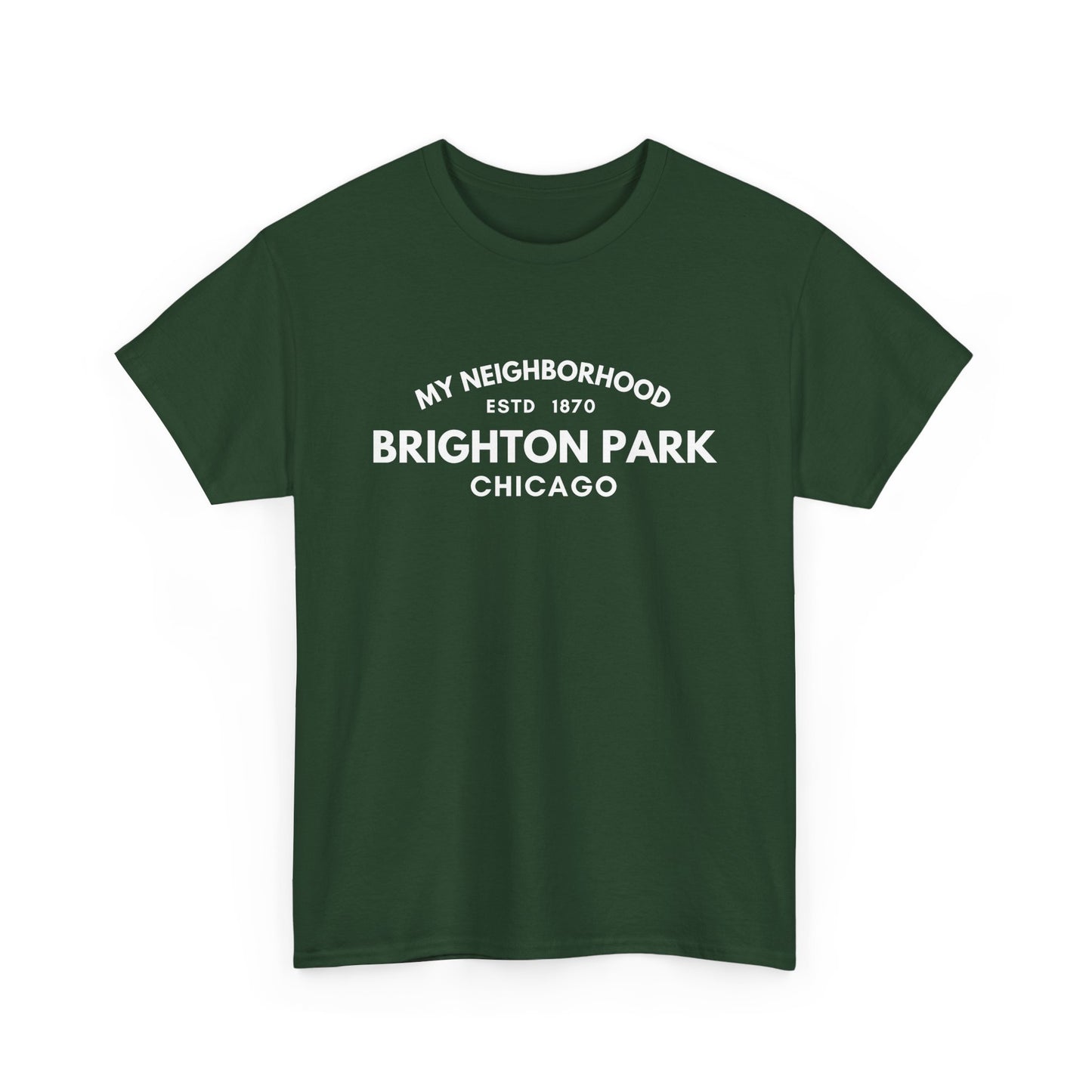
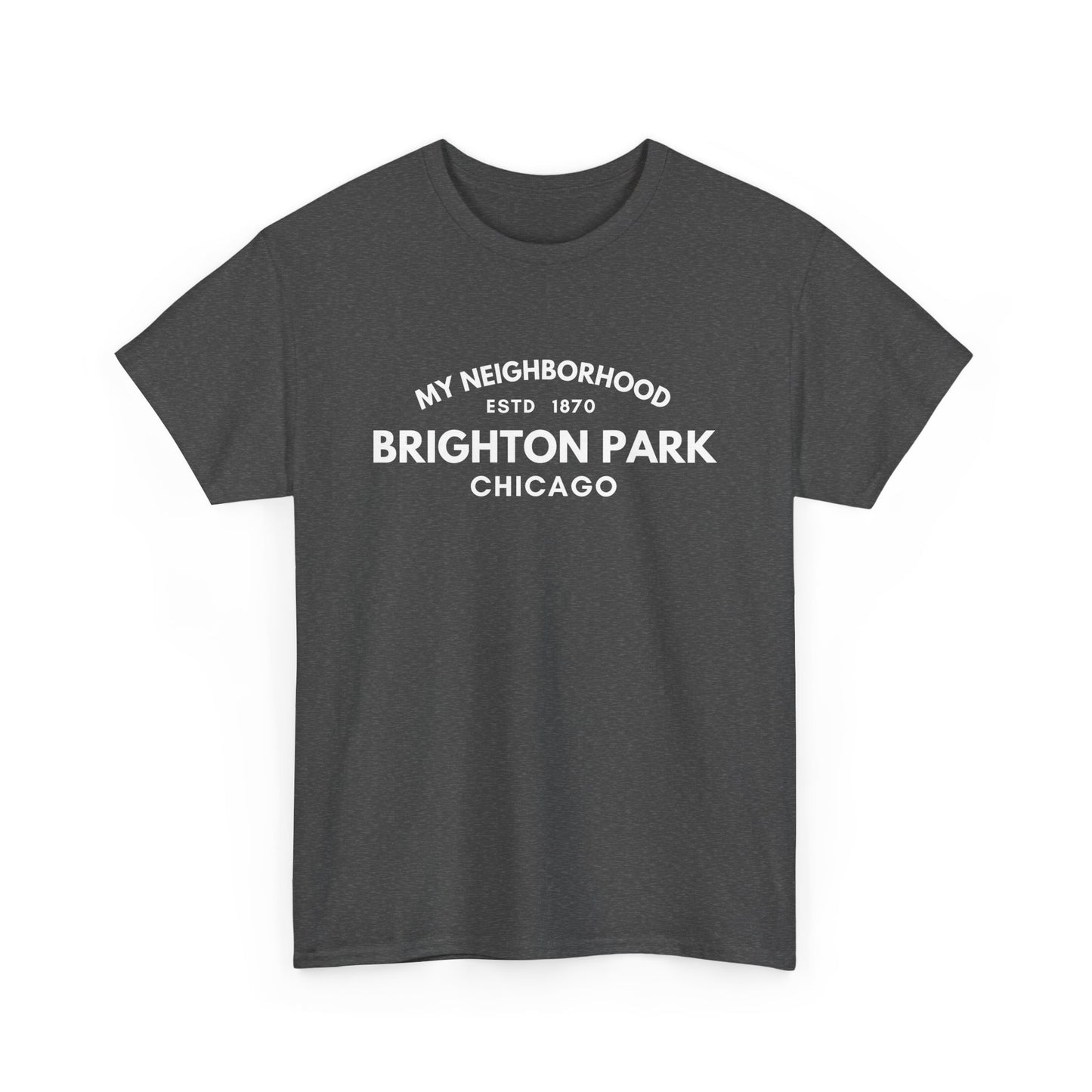
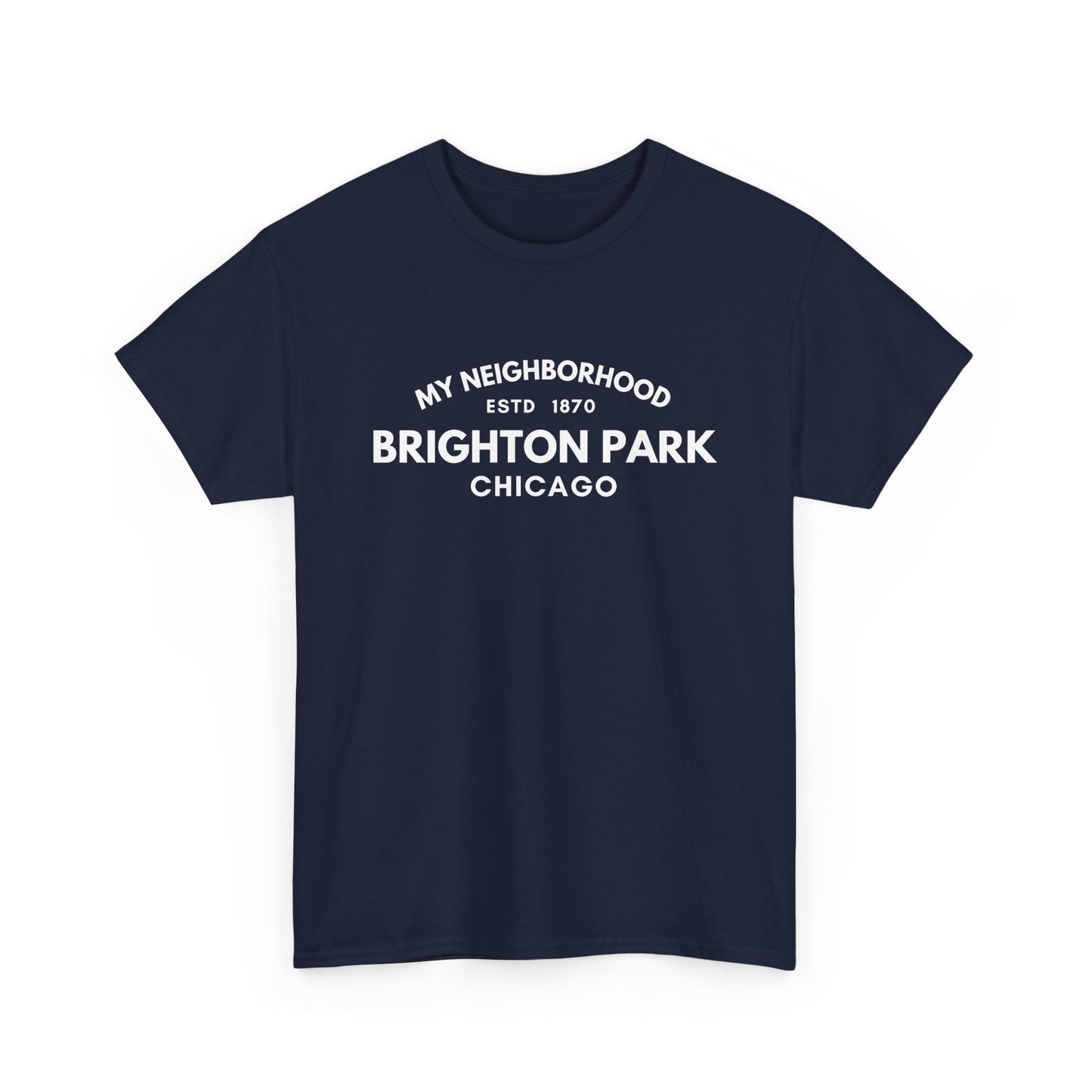
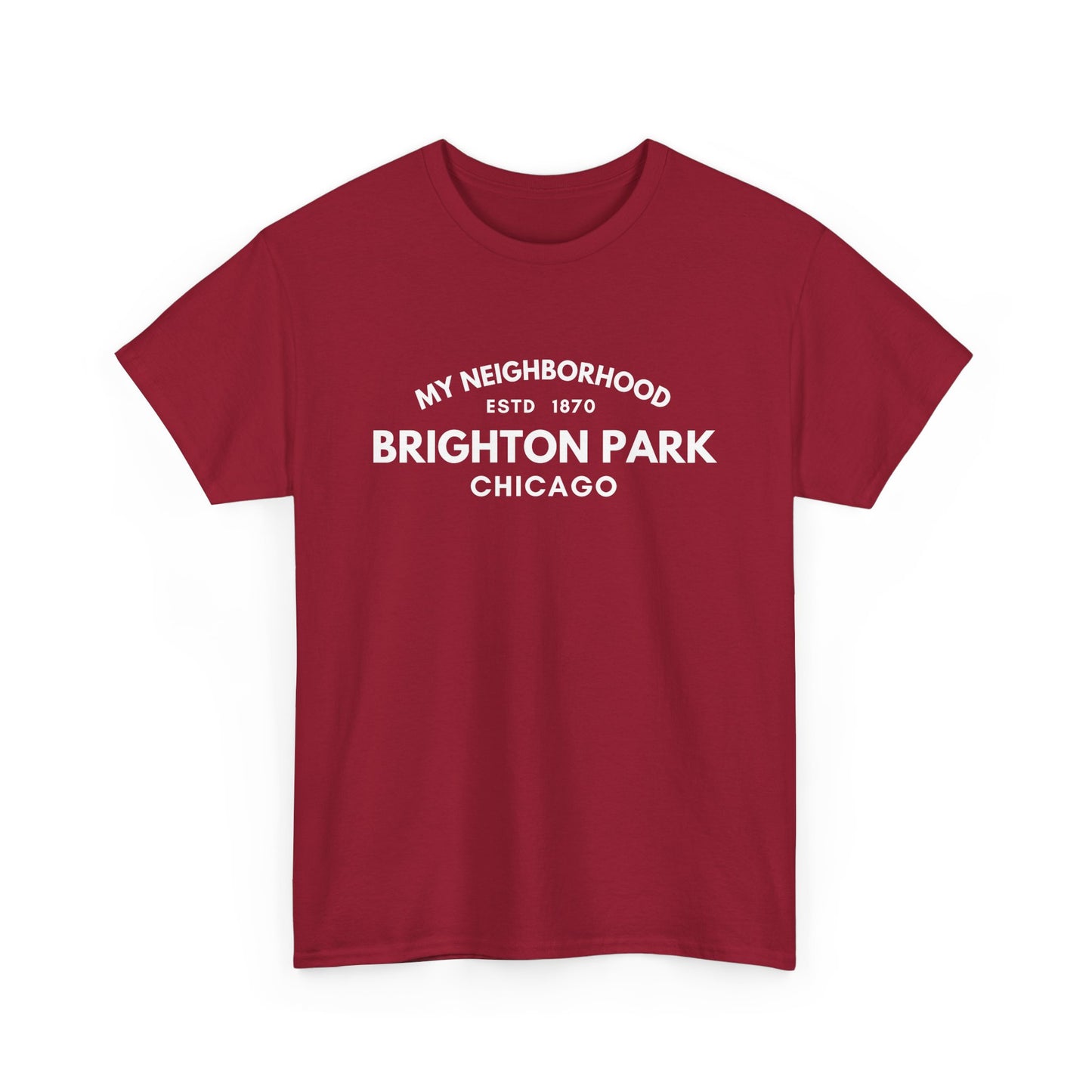
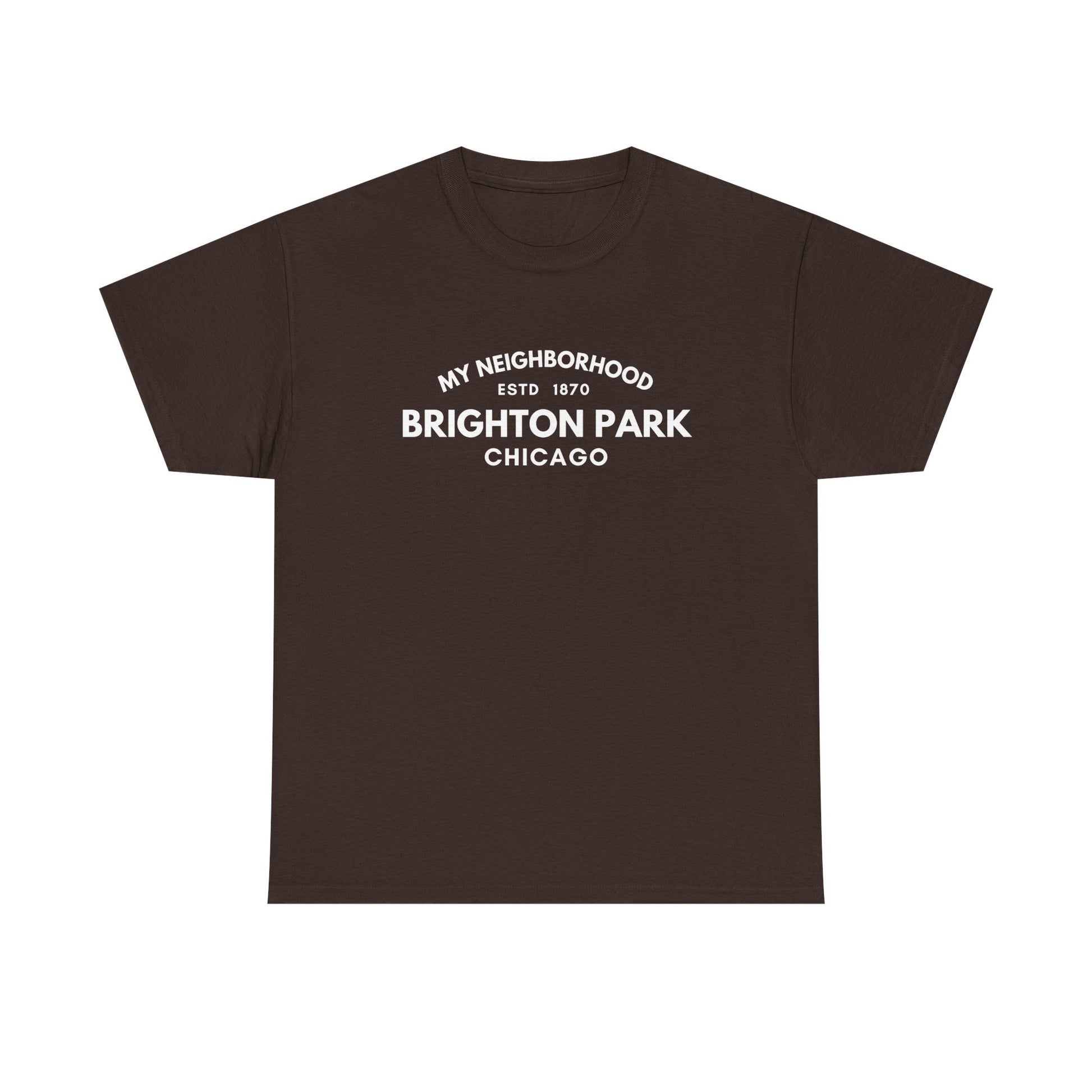
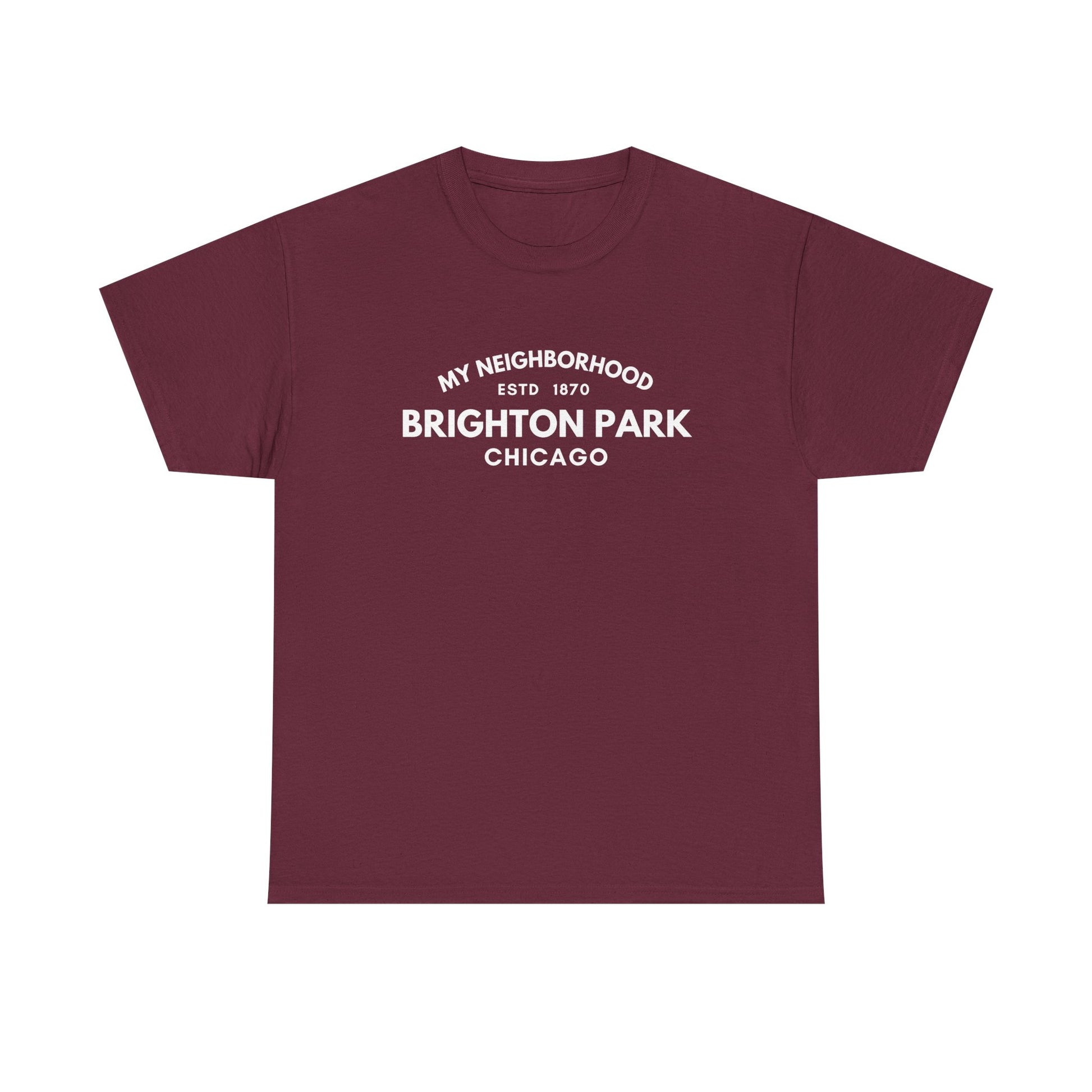
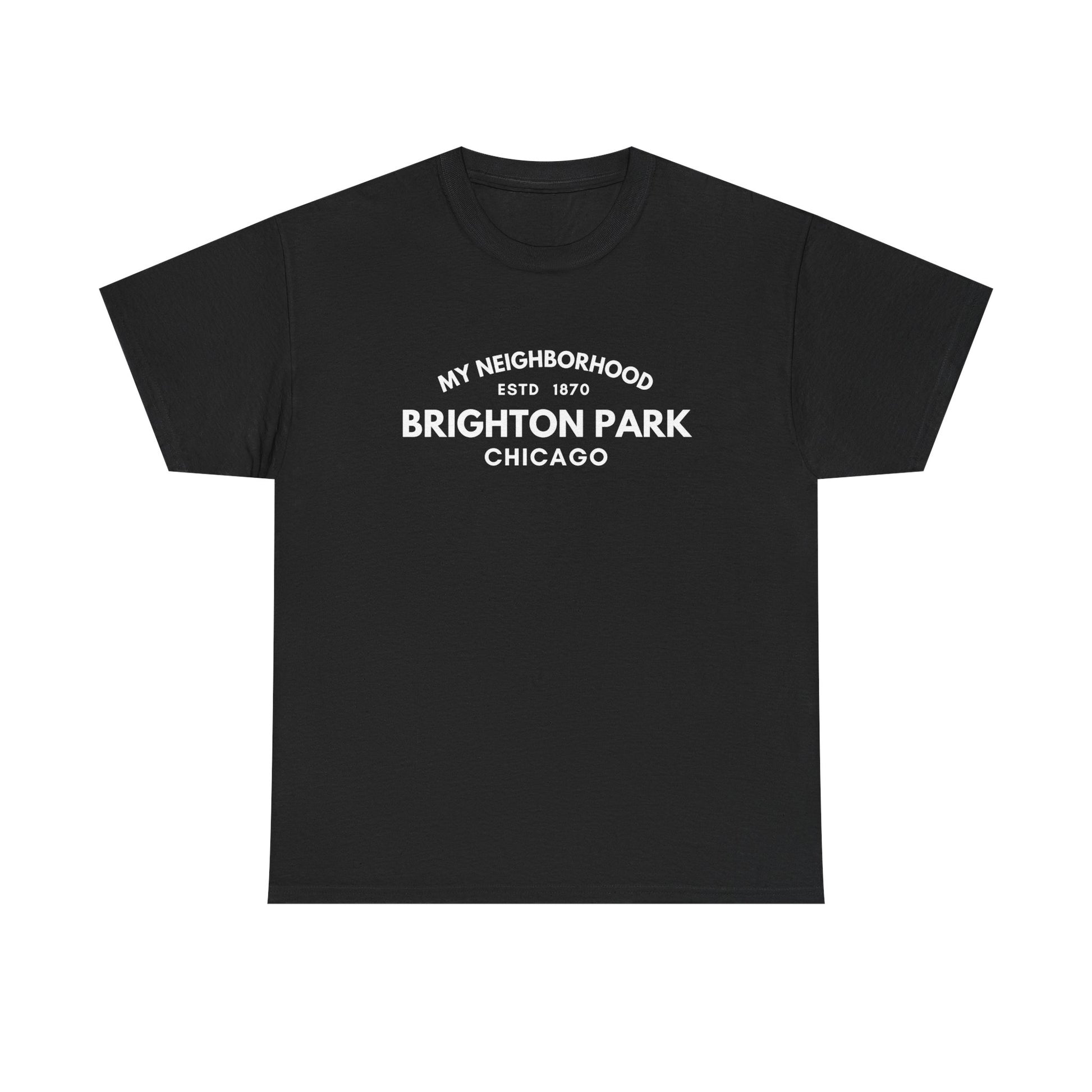
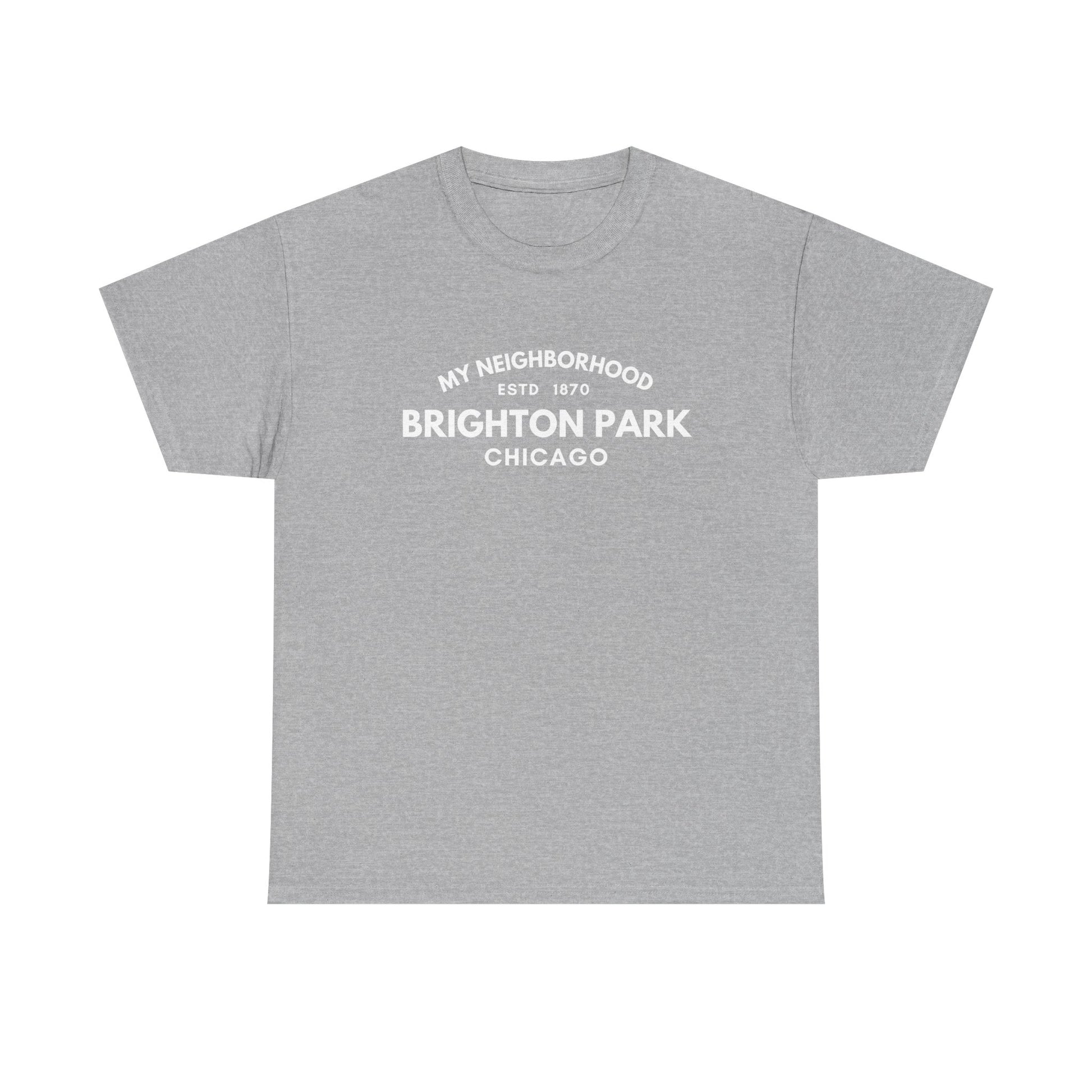
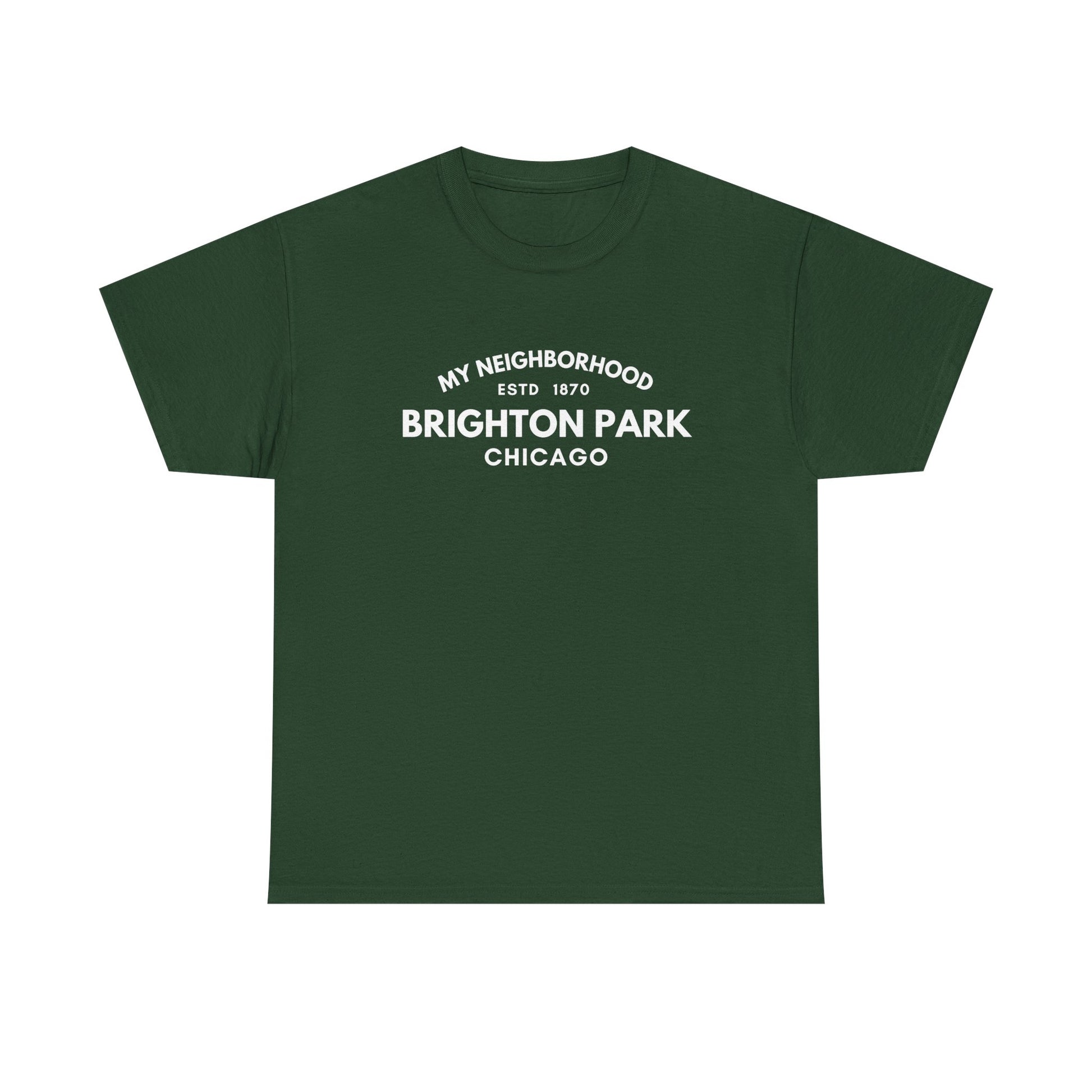
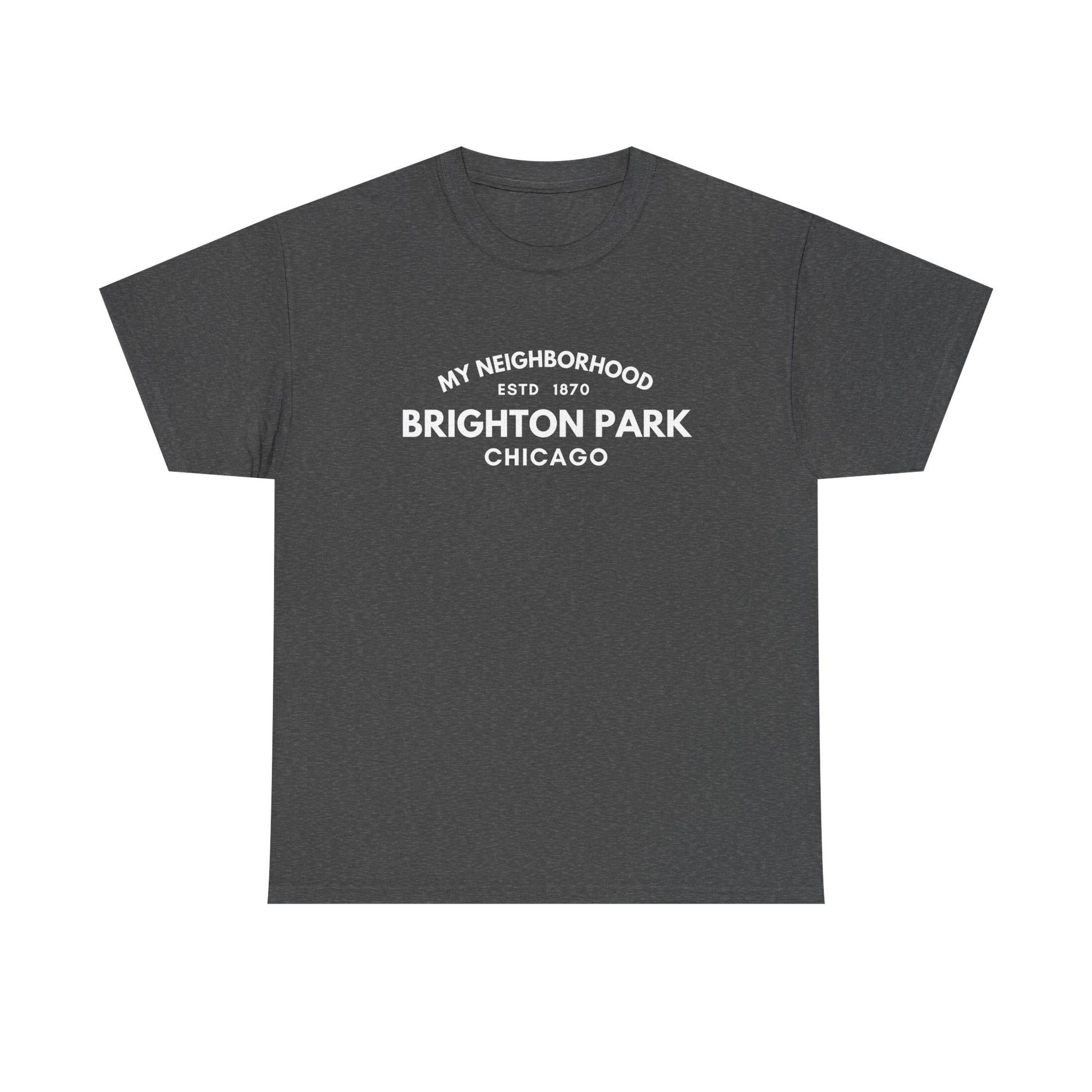
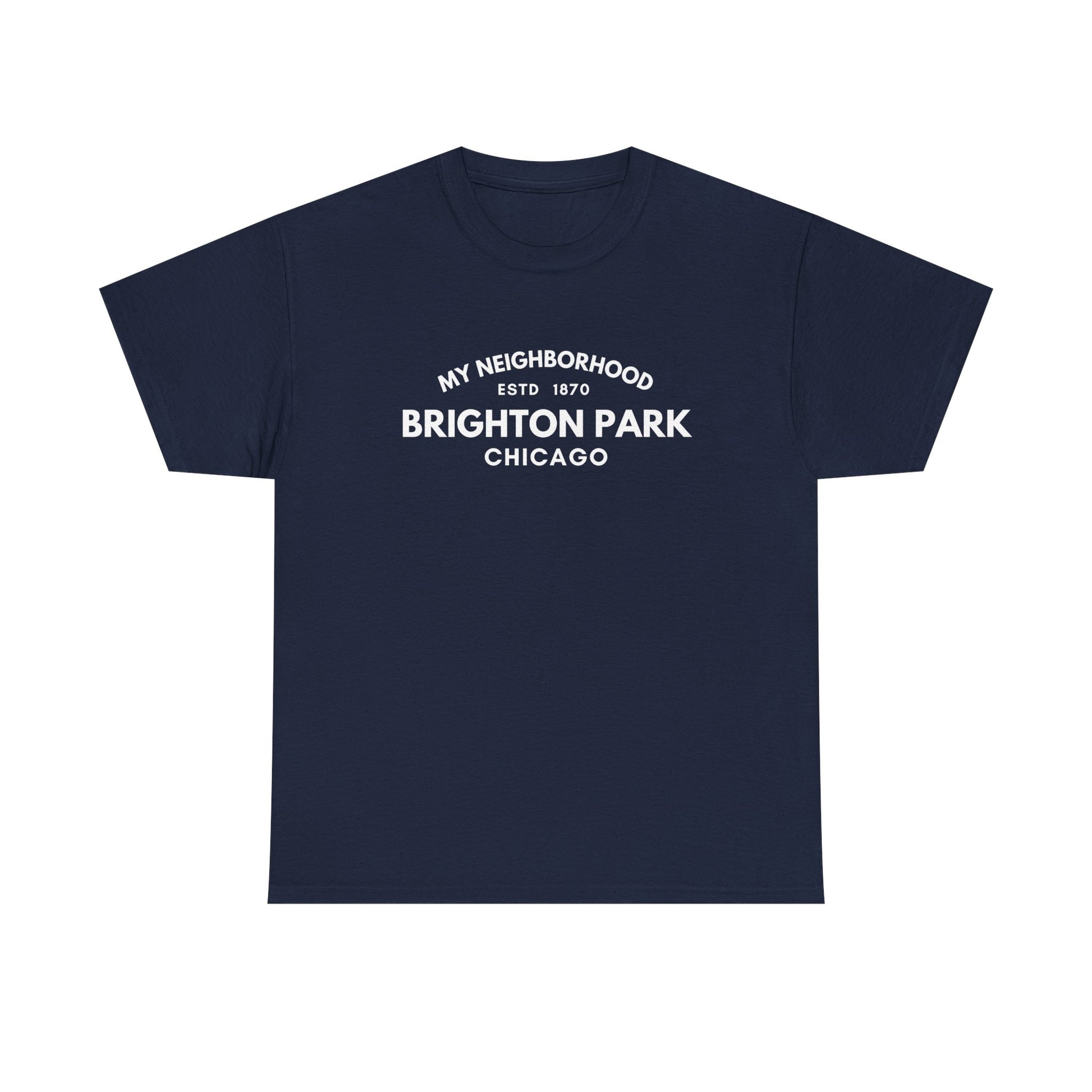
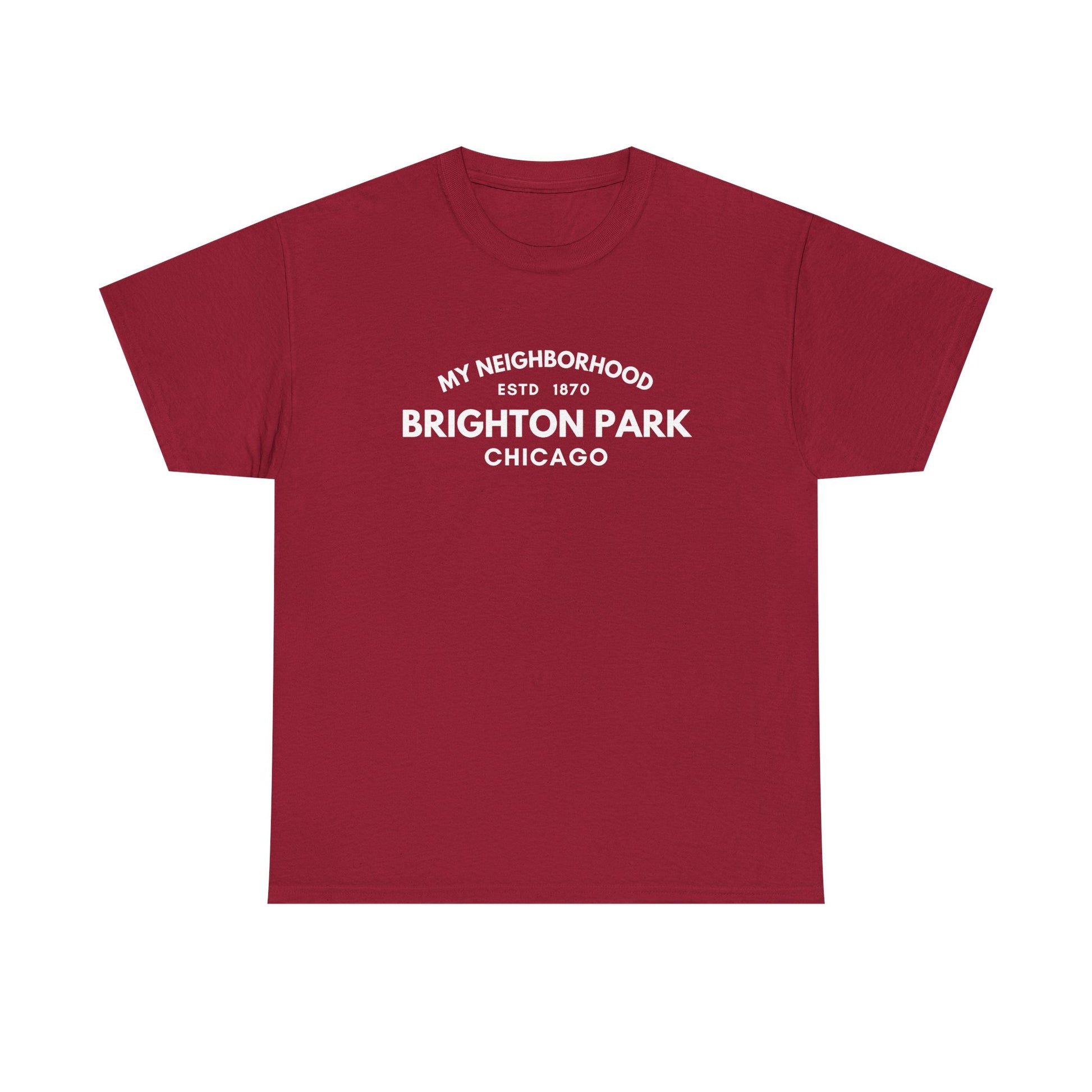
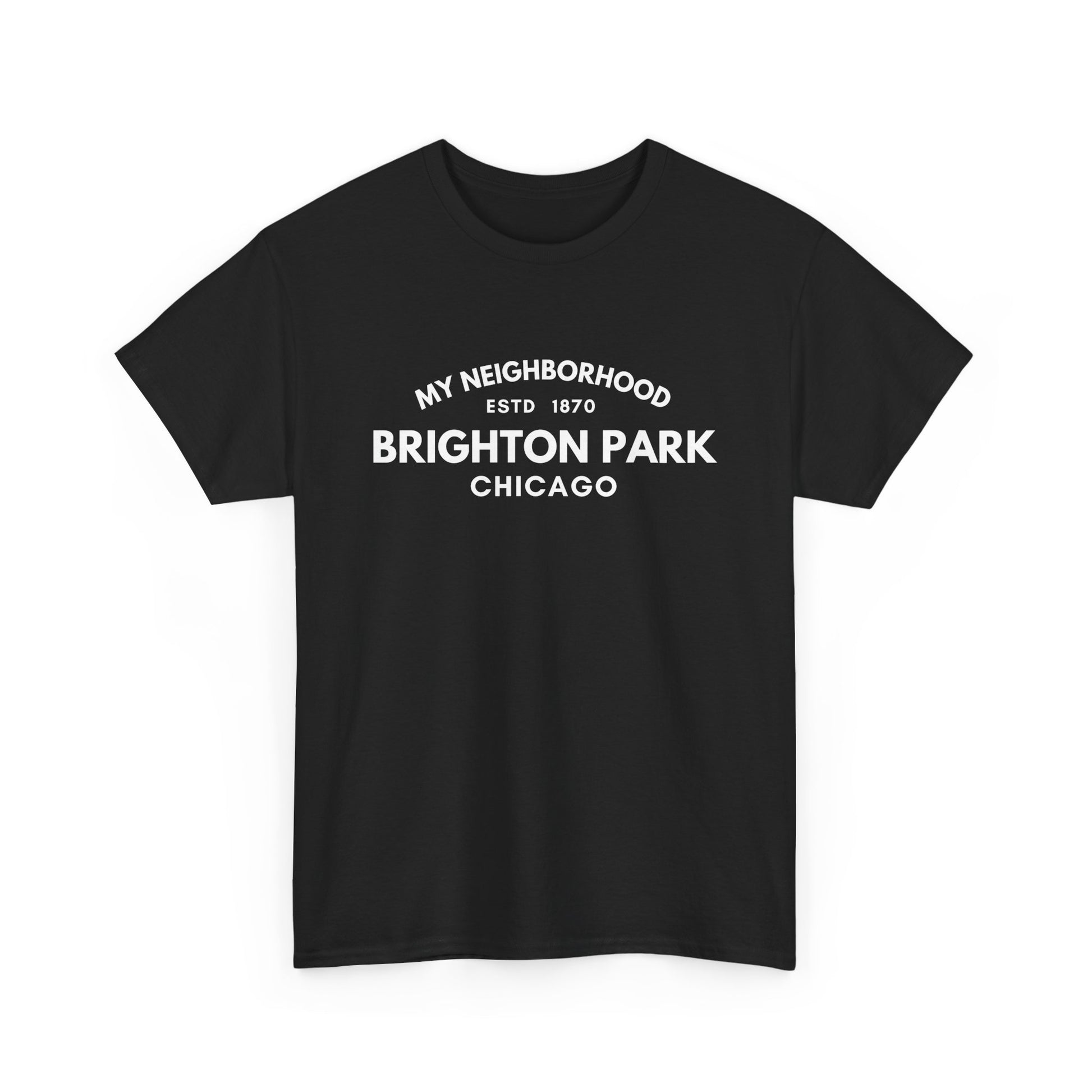
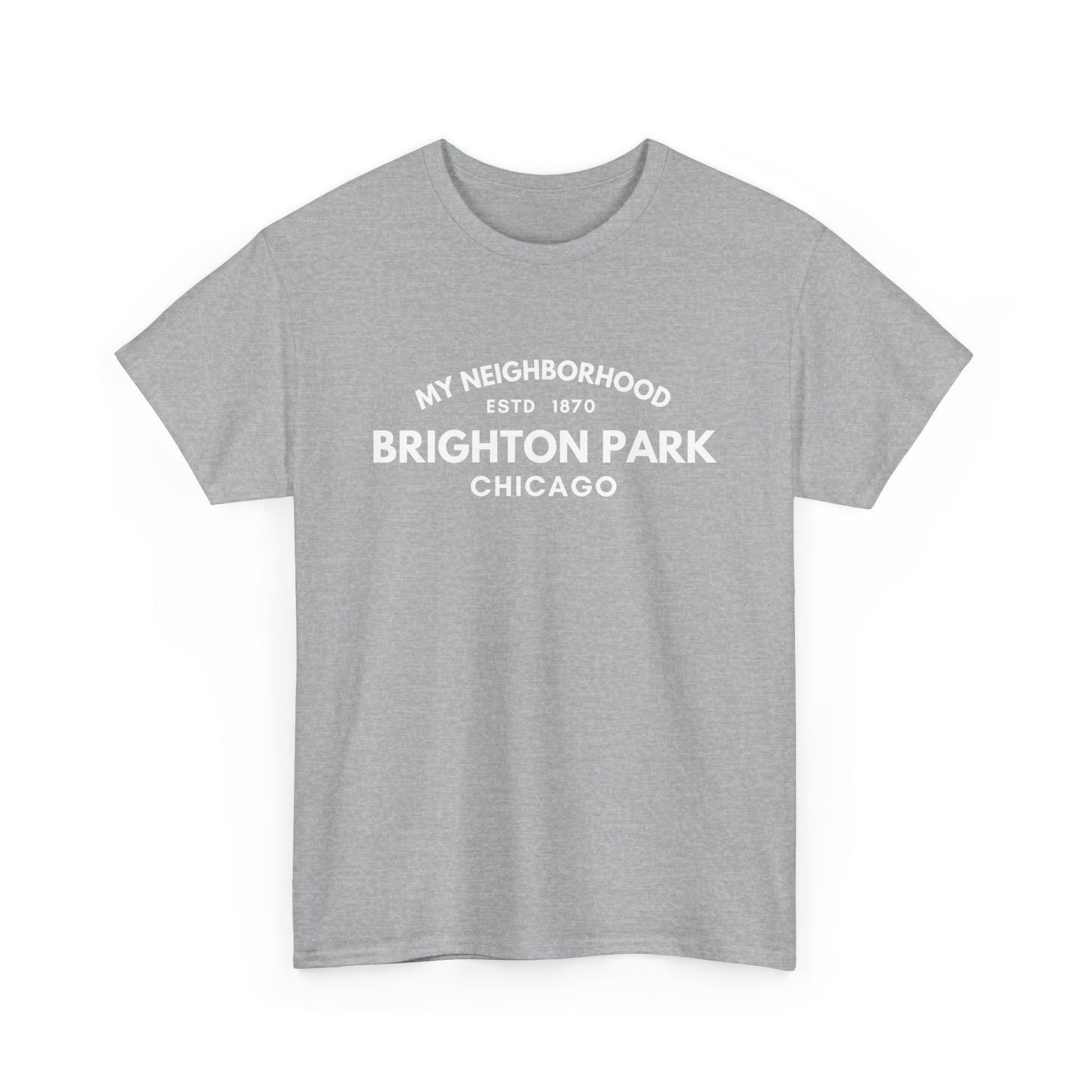
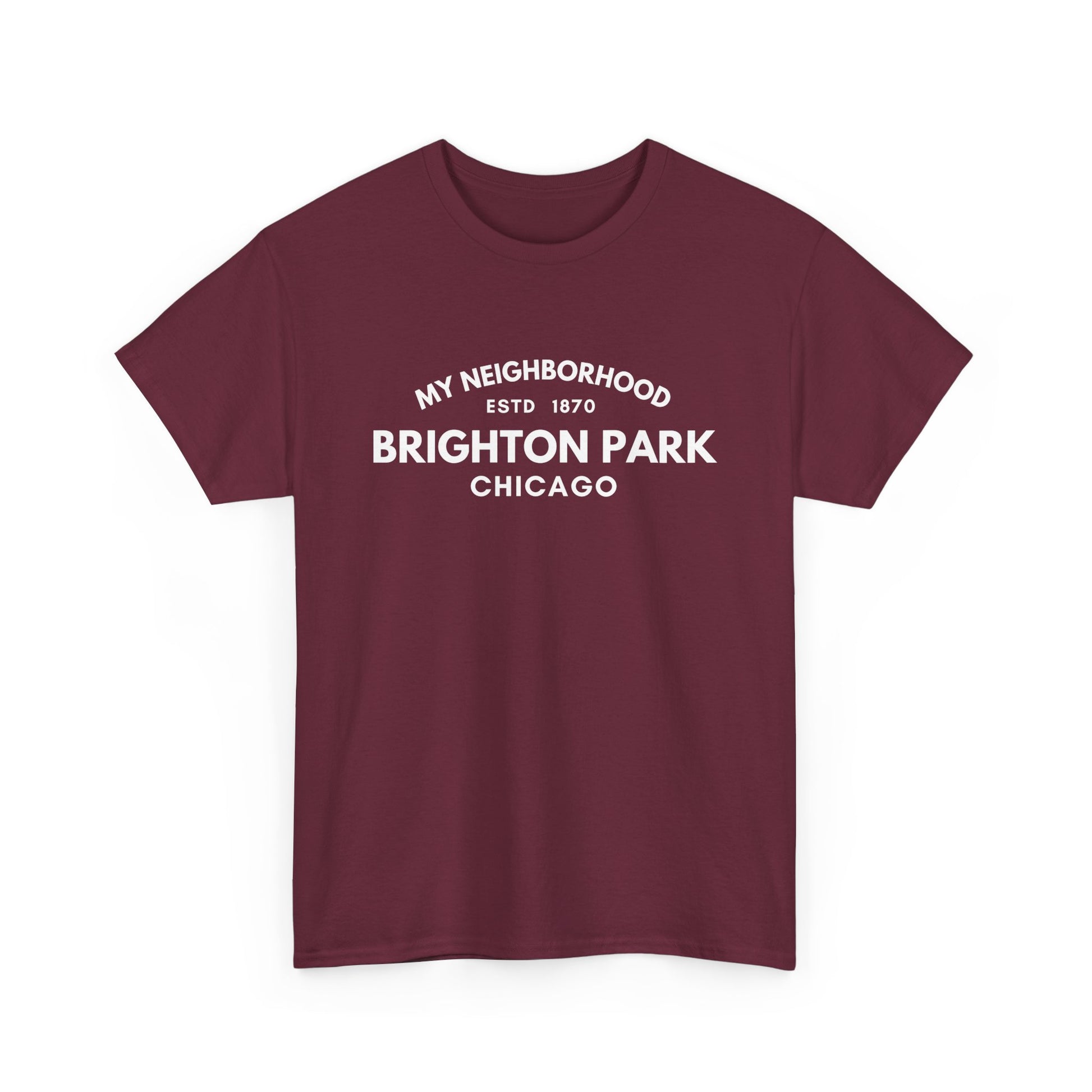
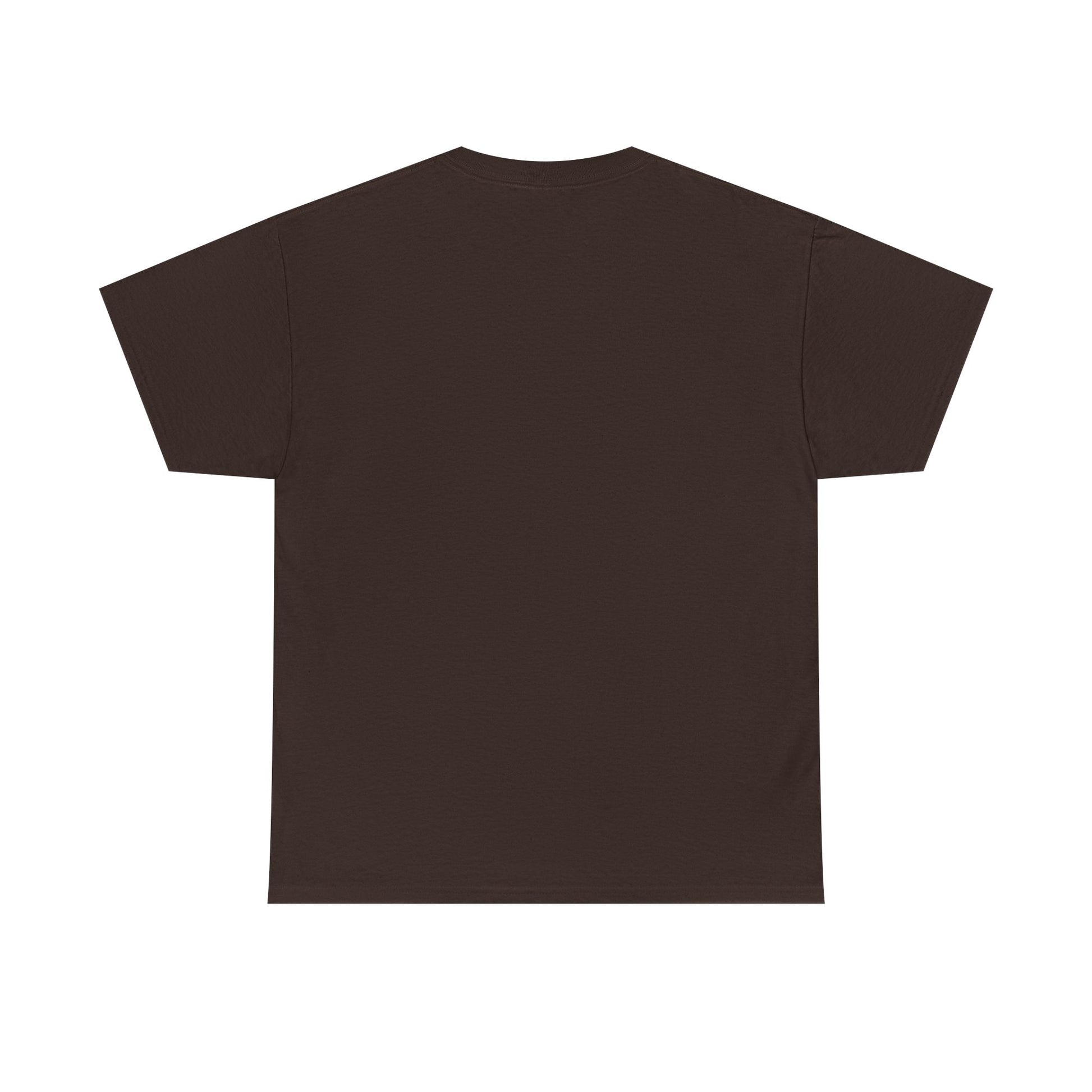
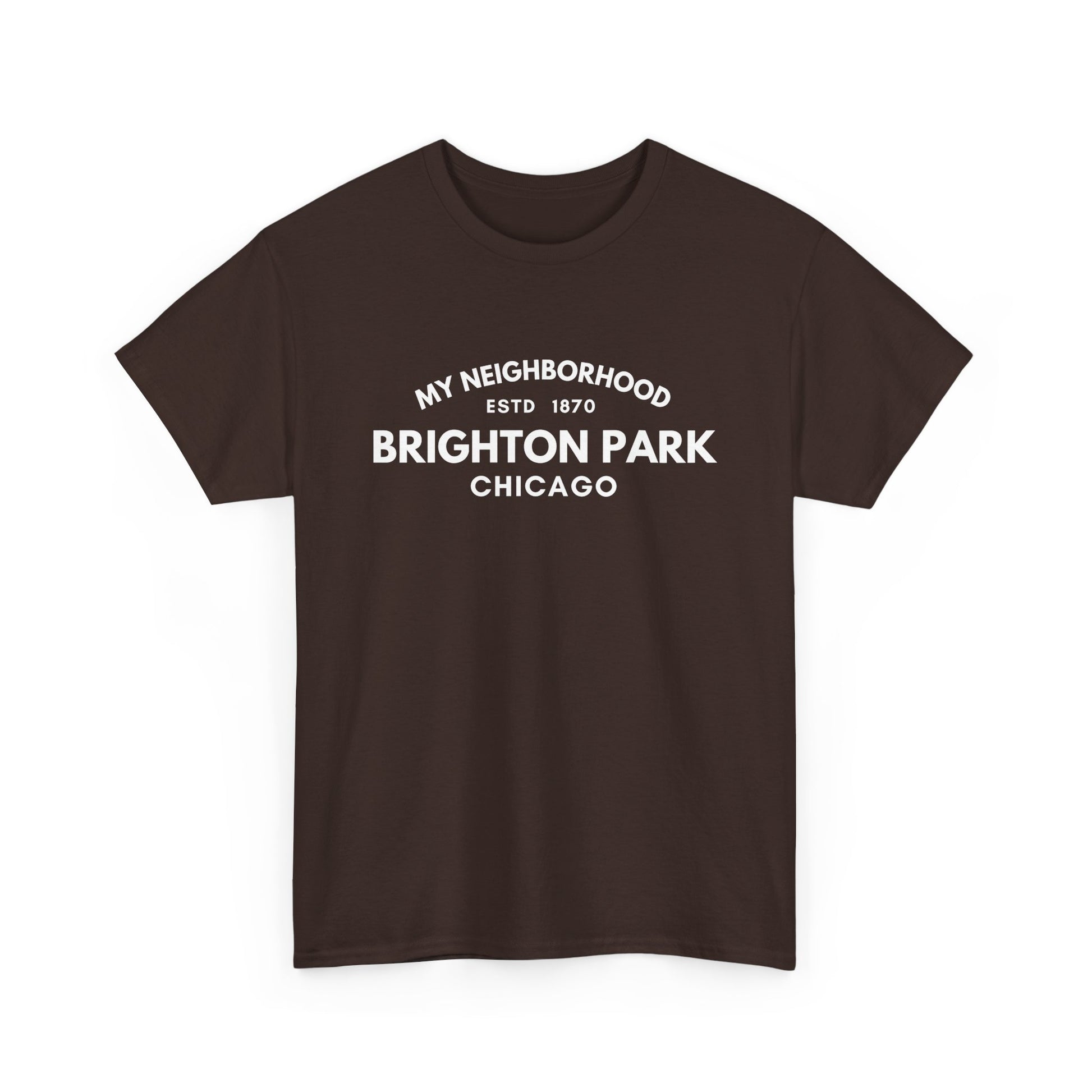
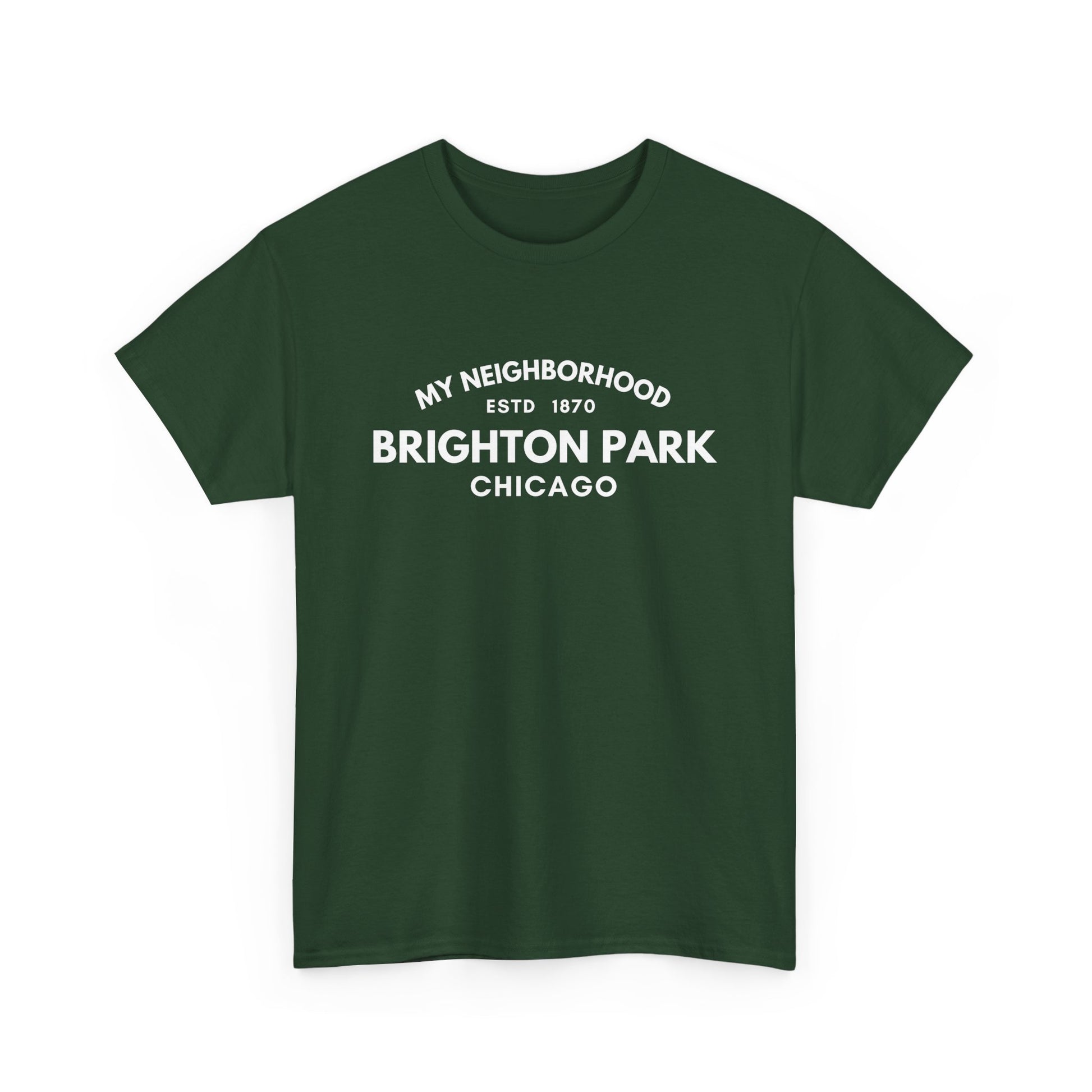
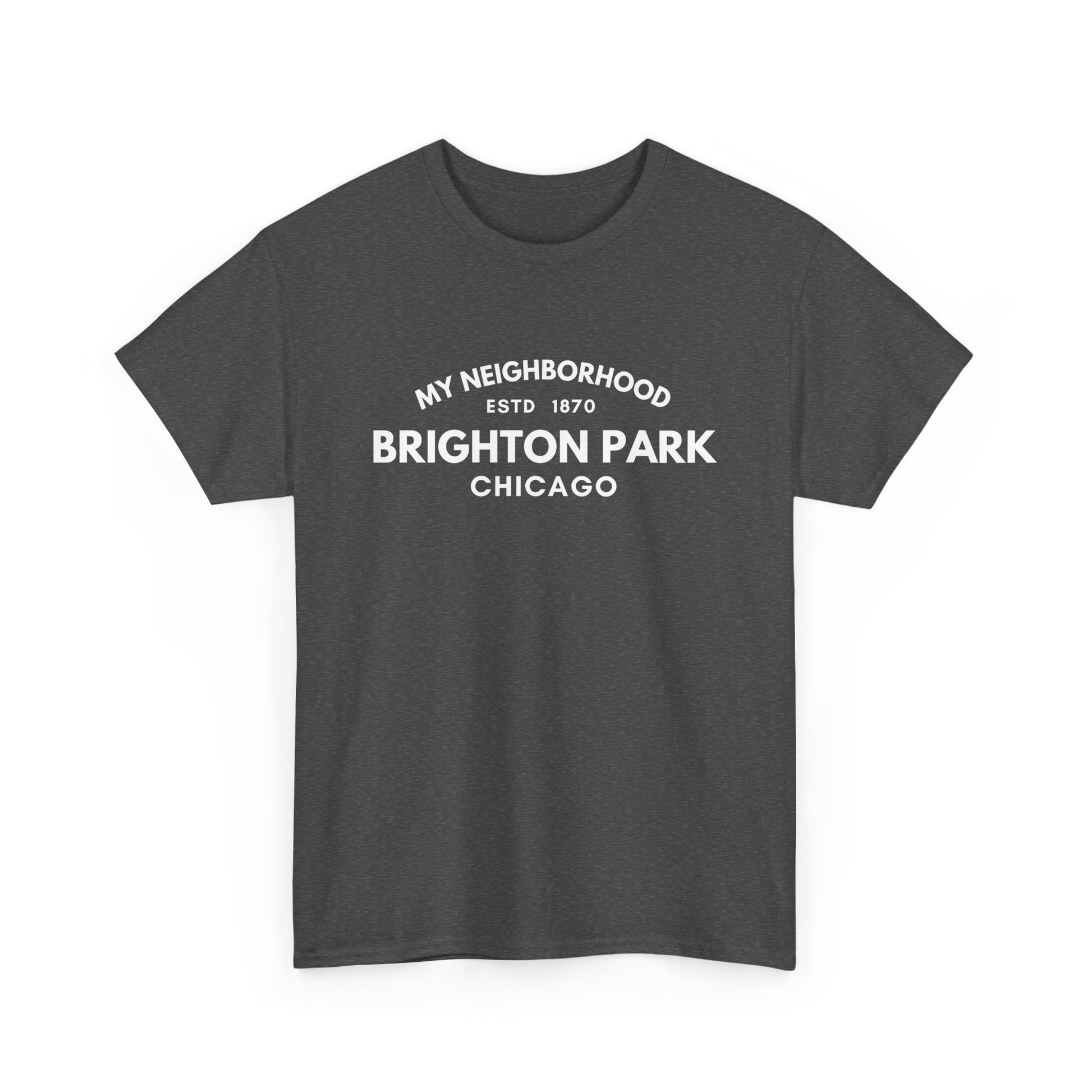
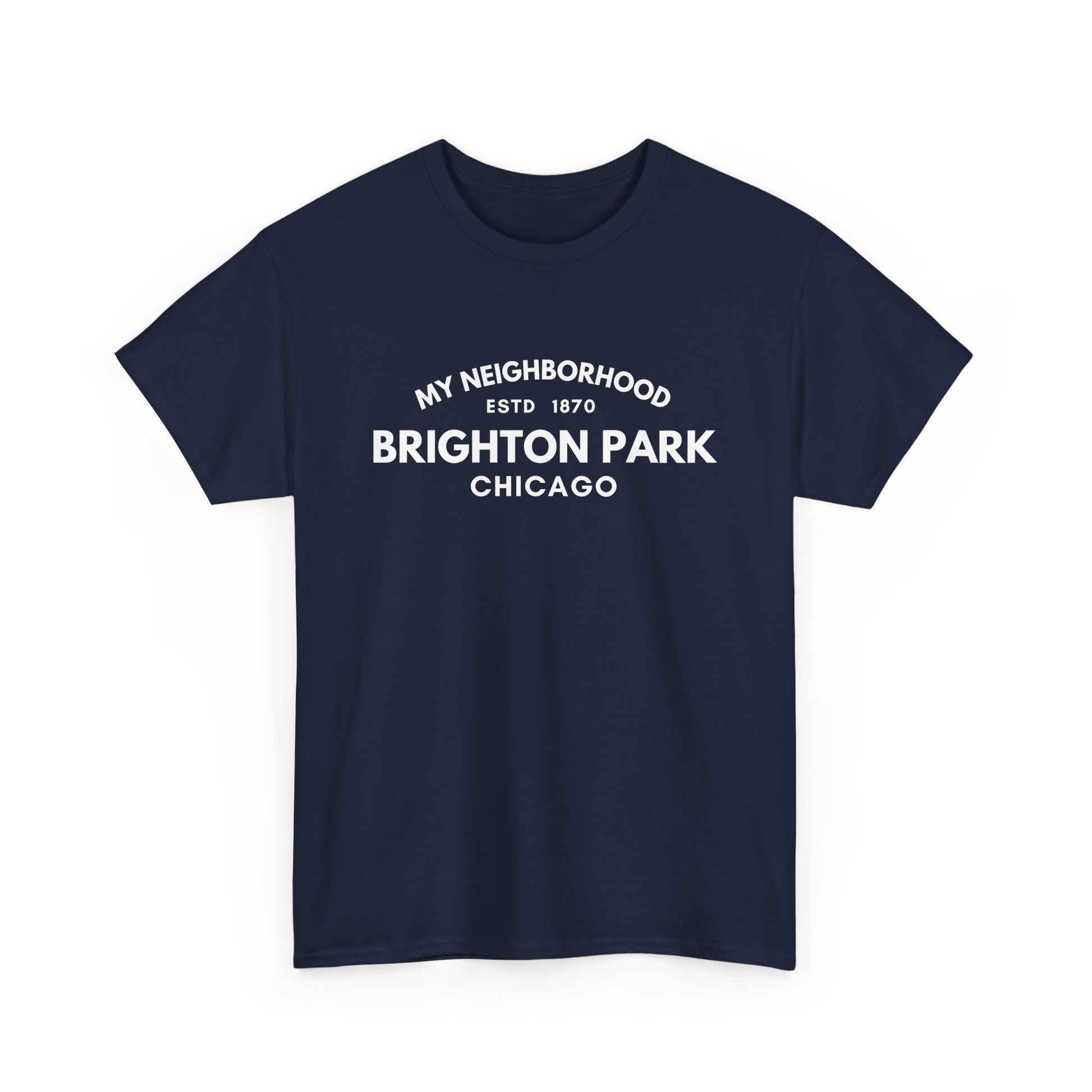
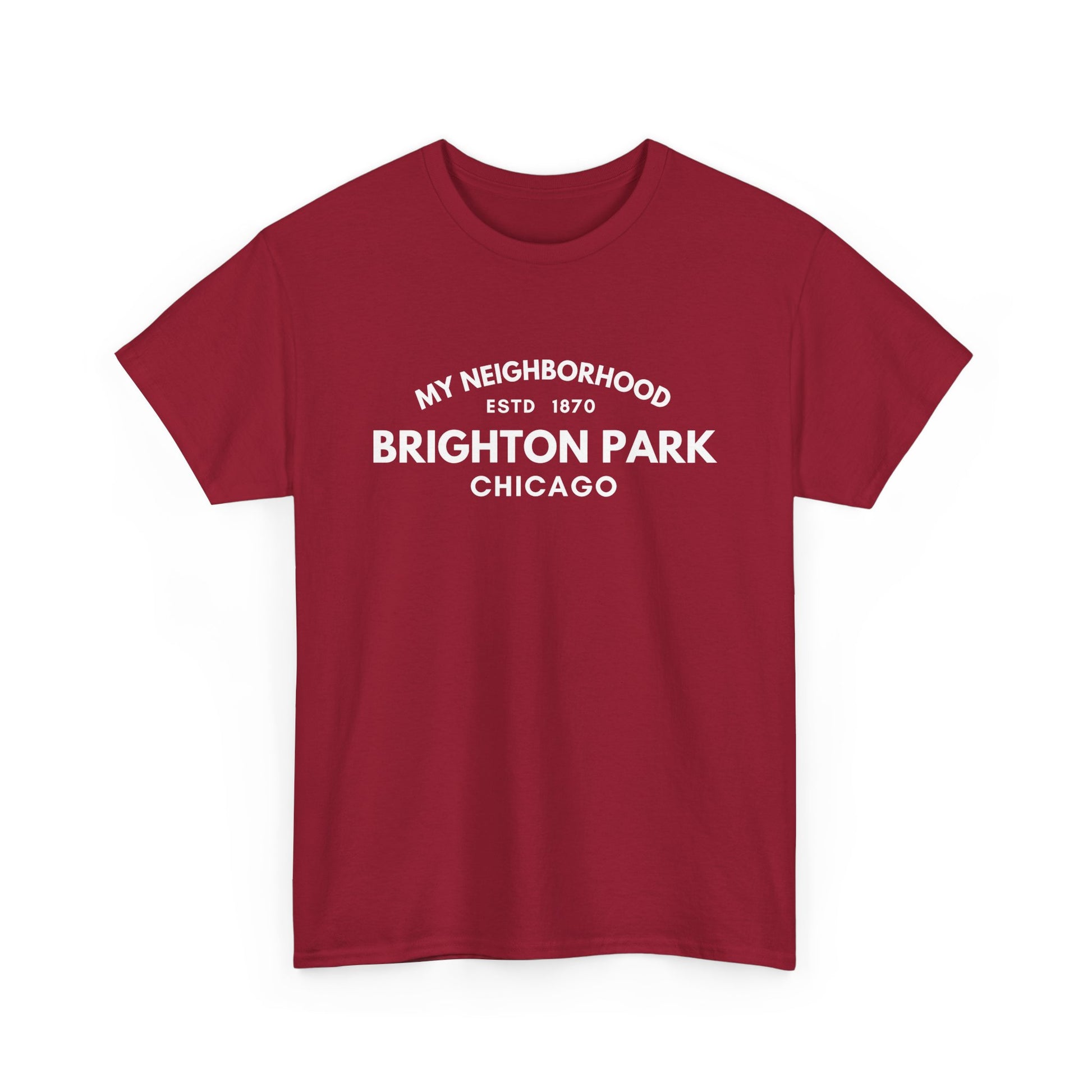
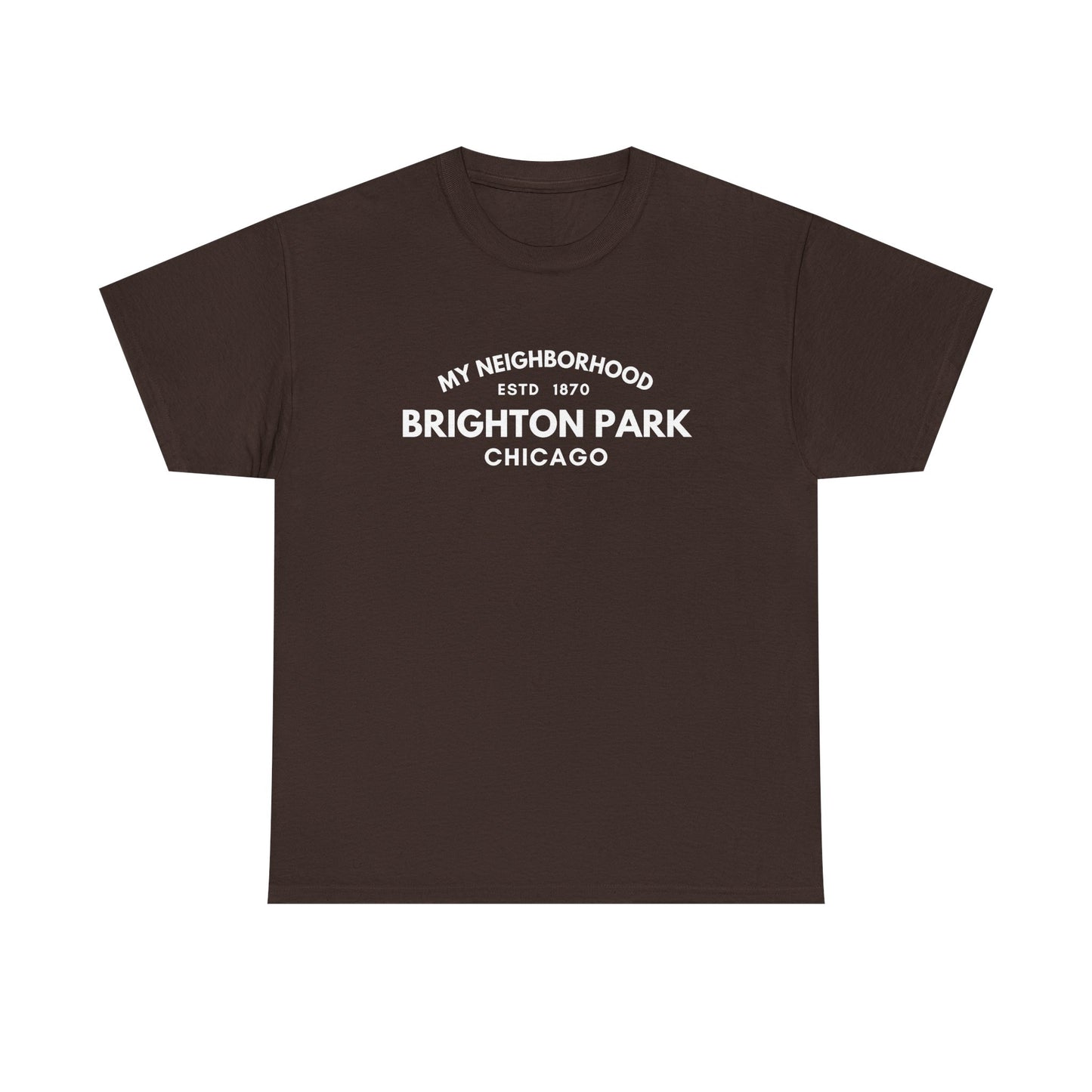
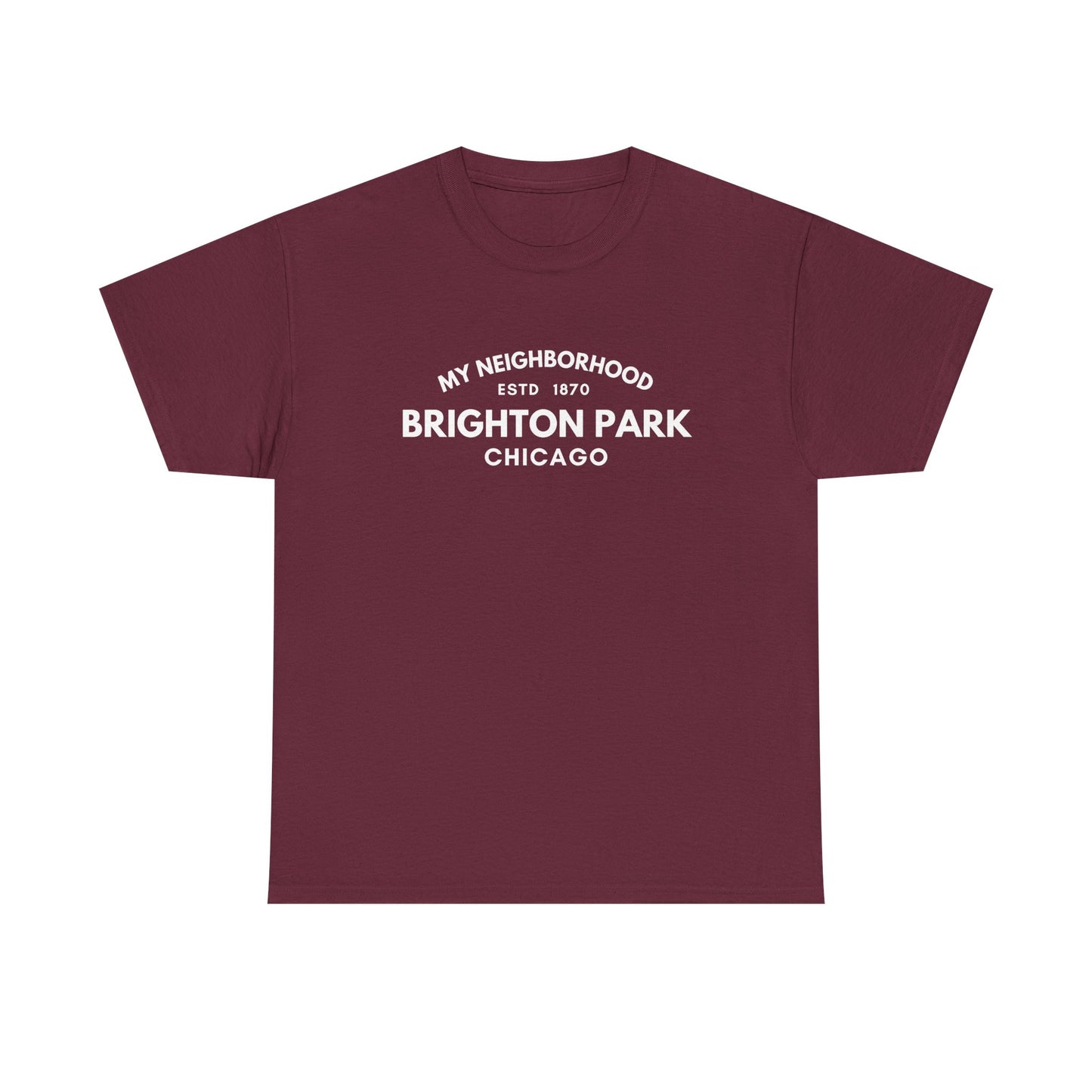
Brighton Park - Chicago - Unisex Cotton Tee

Brighton Park - Chicago - Unisex Cotton Tee

Regular price $29.95 CAD
Regular price Sale price $29.95 CAD
Sale Sold out

Brighton Park borrowed its name from the livestock-market district of Brighton near Boston, and incorporated as a village in 1851. The stockyard plan faded once the Union Stock Yards opened in 1865, but the railroads stayed, and the Corwith Intermodal Yard keeps it a freight hub.
View full details