















Skip to product information
1 of 27

Local Landmarks & Heritage

  • St. Gabriel Catholic Church (1888)
  • Halsted Street corridor
  • Former Union Stock Yards site
  • Union Pacific rail corridor

Neighborhood History

Canaryville grew up beside the Union Stock Yards, which opened on Christmas Day 1865 just west of Halsted Street, and Irish immigrants fleeing the Great Famine were among its earliest residents, settling into the neighborhood's modest cottages through the late 19th century. The area was annexed to Chicago from the Township of Lake in 1889. Its name is documented two ways: some trace it to the sparrows that fed on stockyard grain and railroad-car spillage, while others tie it to the era's wild canaries, the local youth gangs who patrolled these streets — the same gangs later implicated in the 1919 Chicago Race Riot, a difficult chapter the neighborhood carries alongside its prouder history.

Faith held the neighborhood together as the stockyards declined. St. Gabriel Catholic Church, built in 1888 by Burnham and Root — the only Catholic church the firm ever designed — has anchored the parish since. Halsted Street remains Canaryville's commercial spine, and the old stockyards and rail corridor along its eastern edge still trace the boundary that shaped the neighborhood's earliest economy.

MY-NHD's Canaryville collection is built for a neighborhood that has never stopped being defined — for better and for worse — by the people who worked, worshipped, and stayed.

MY-NHD

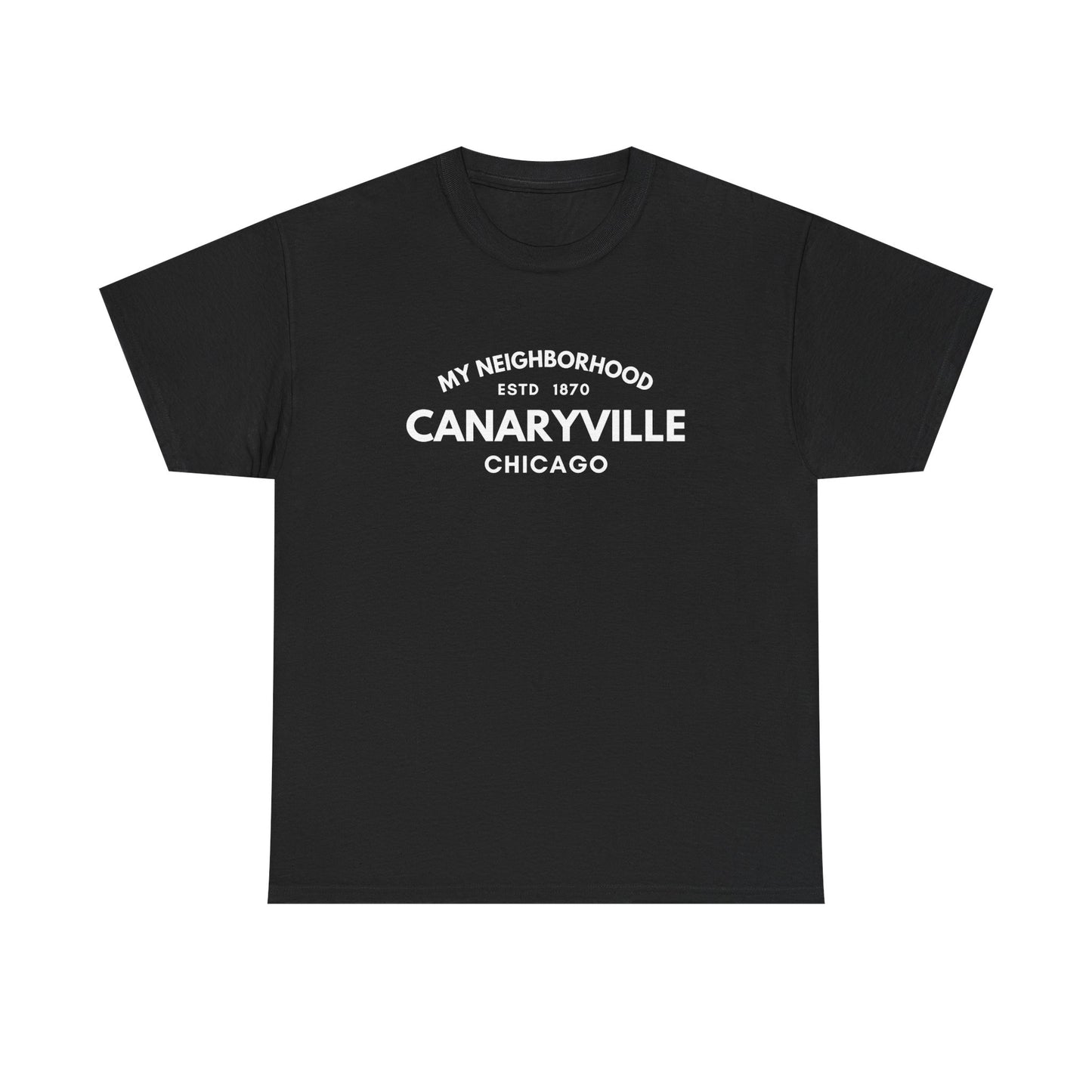
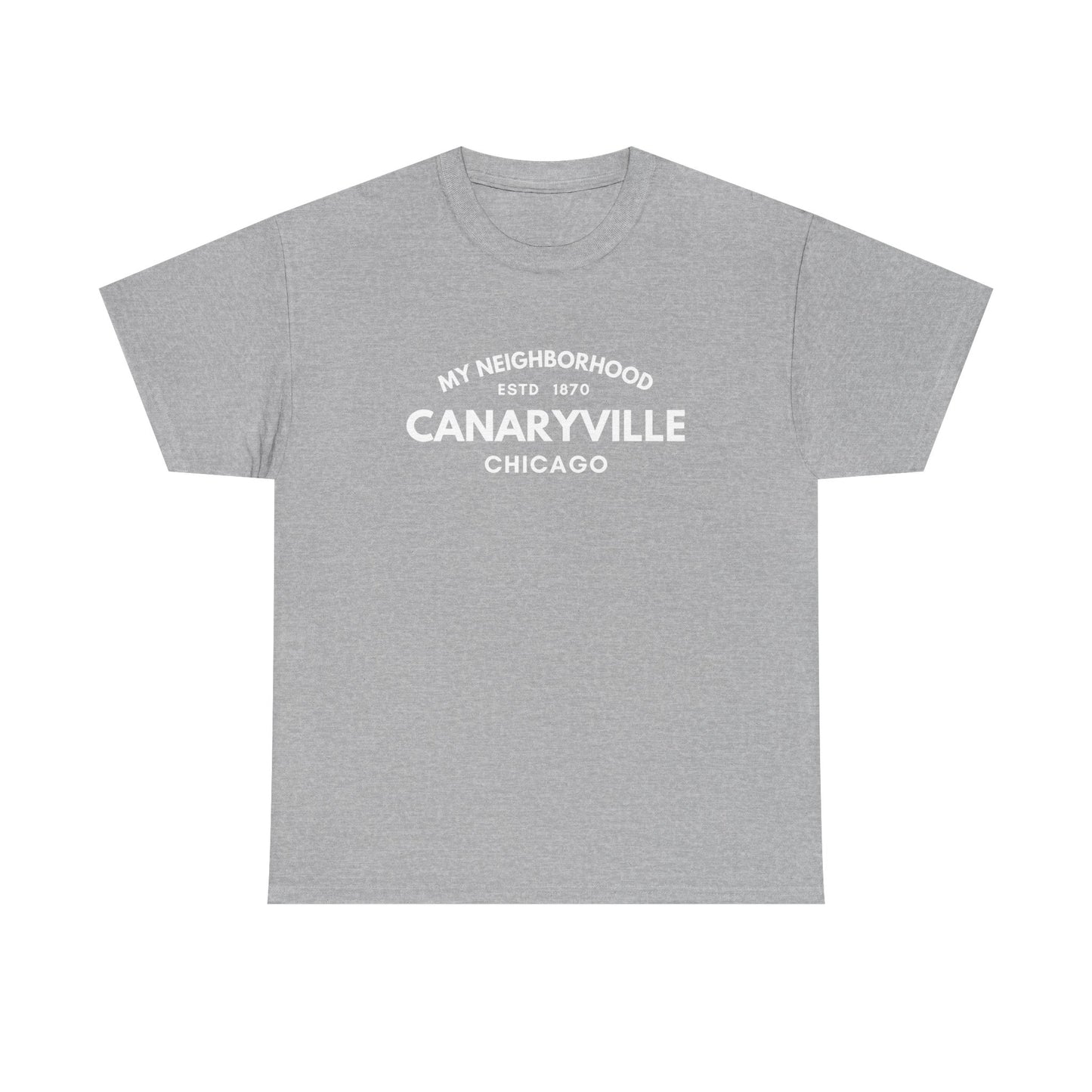
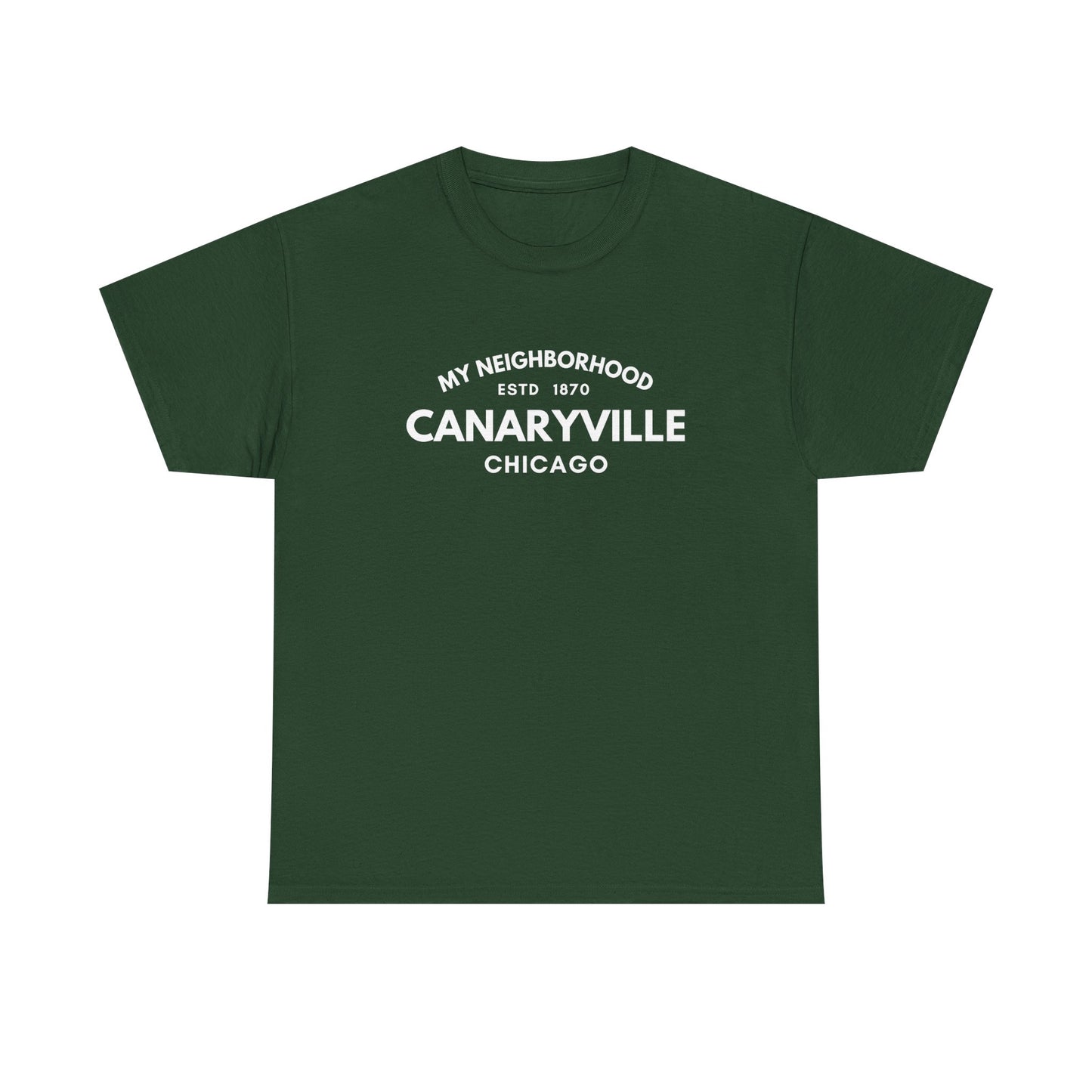
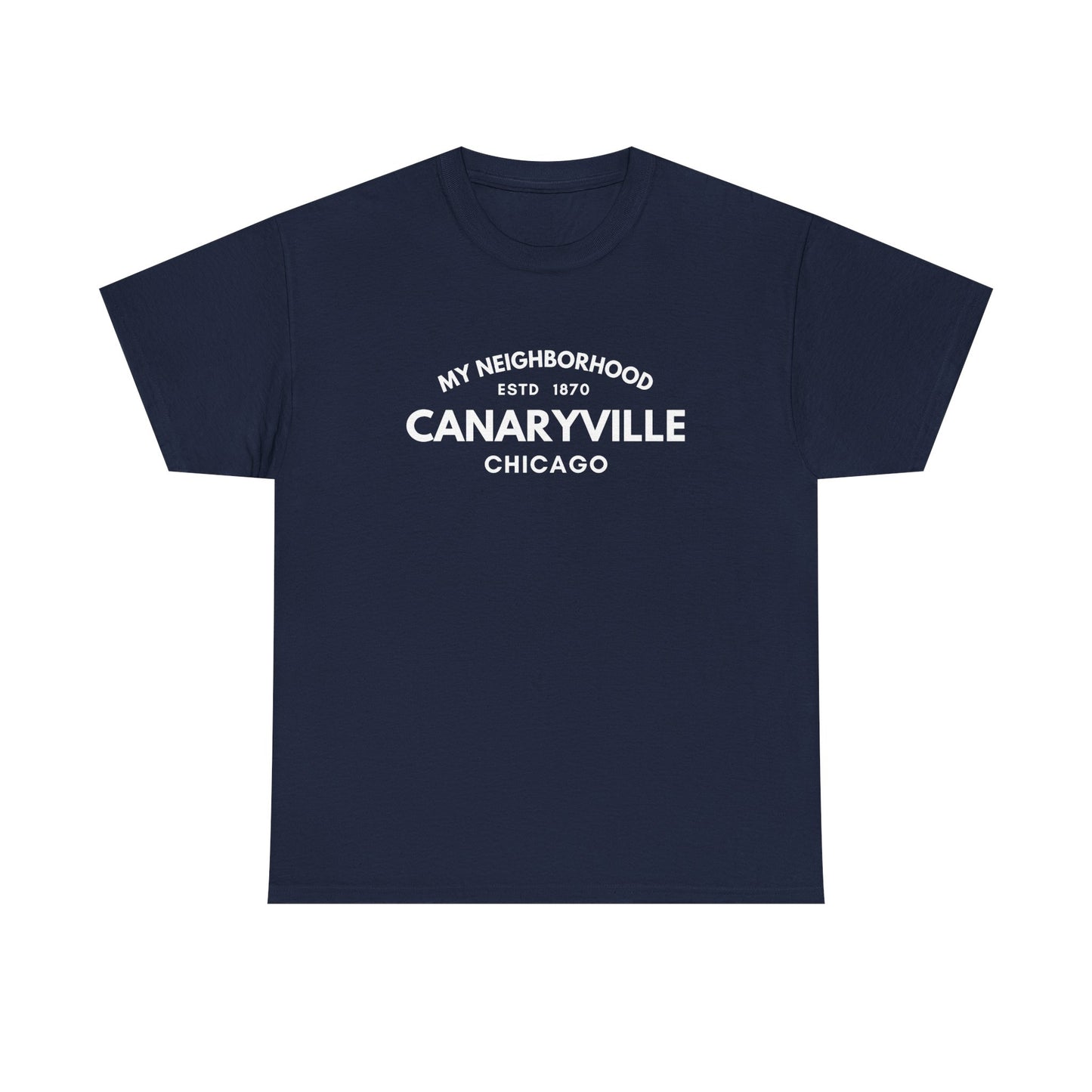
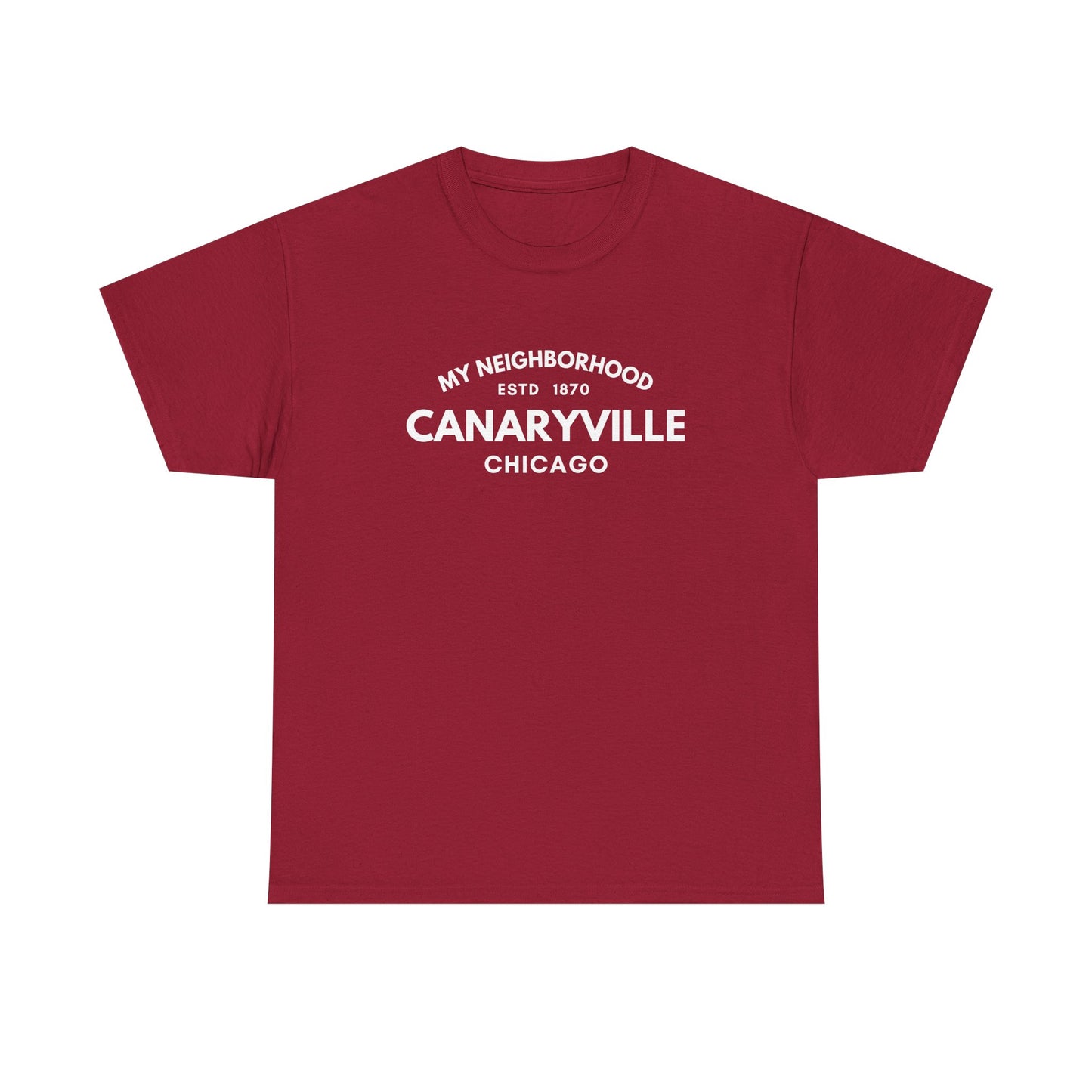
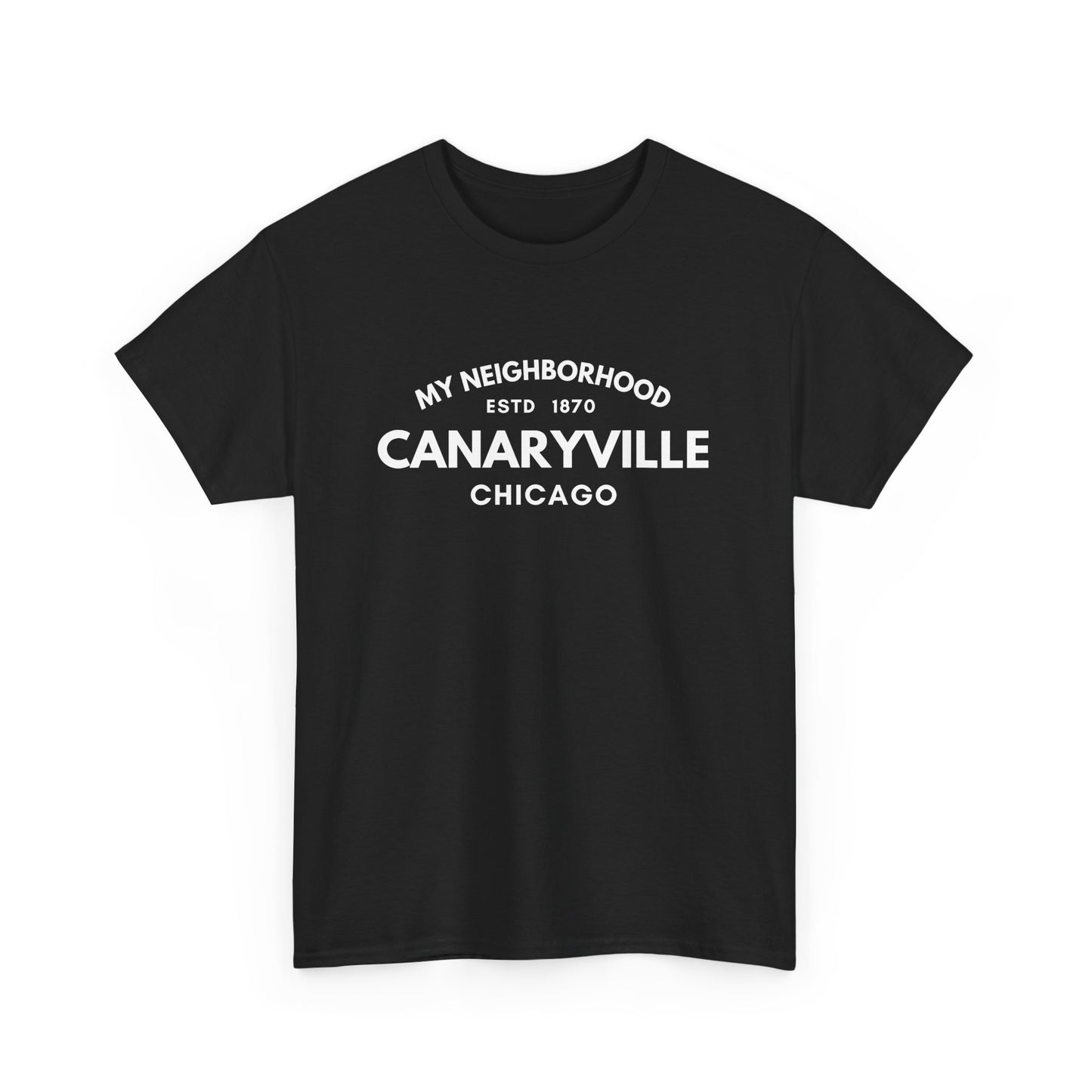
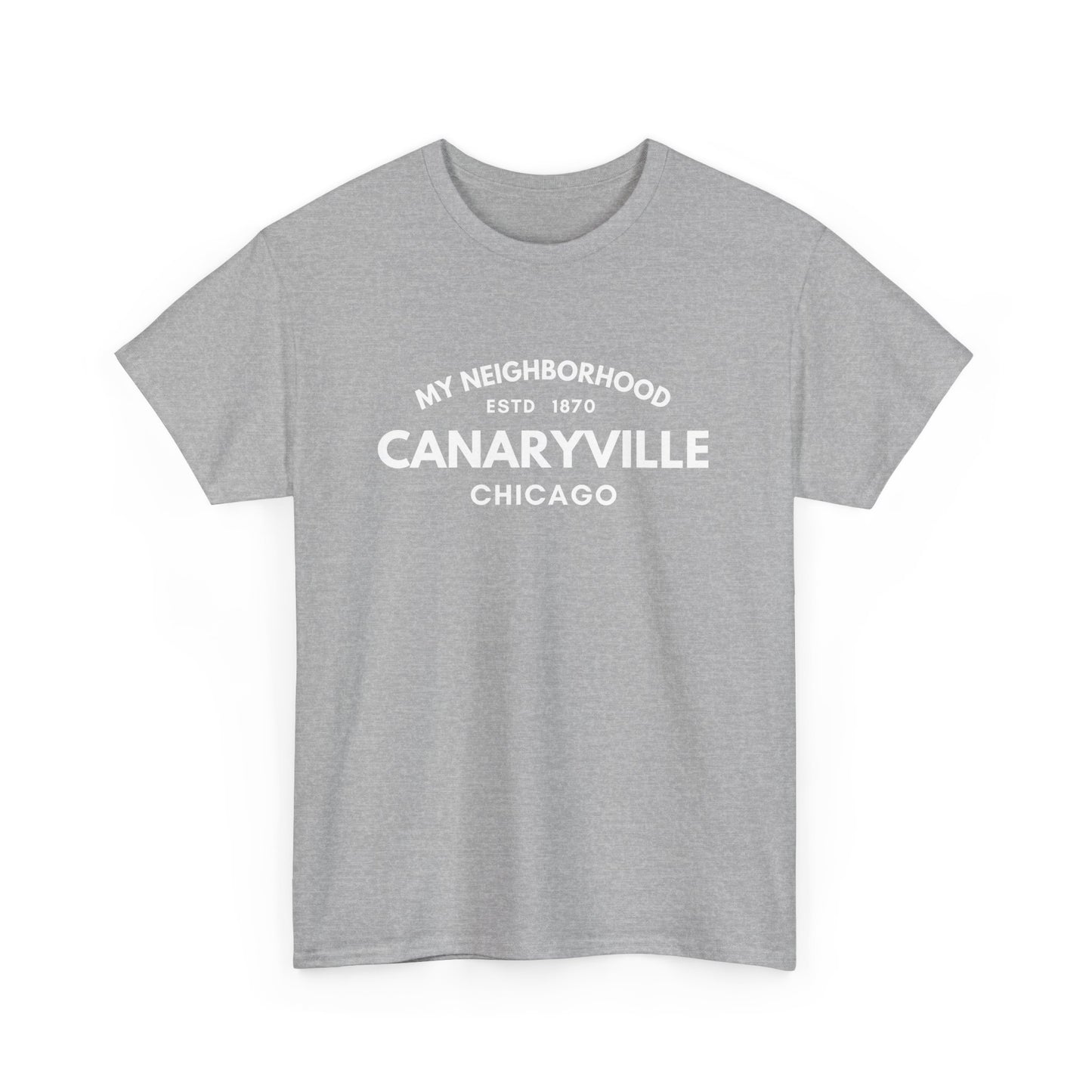
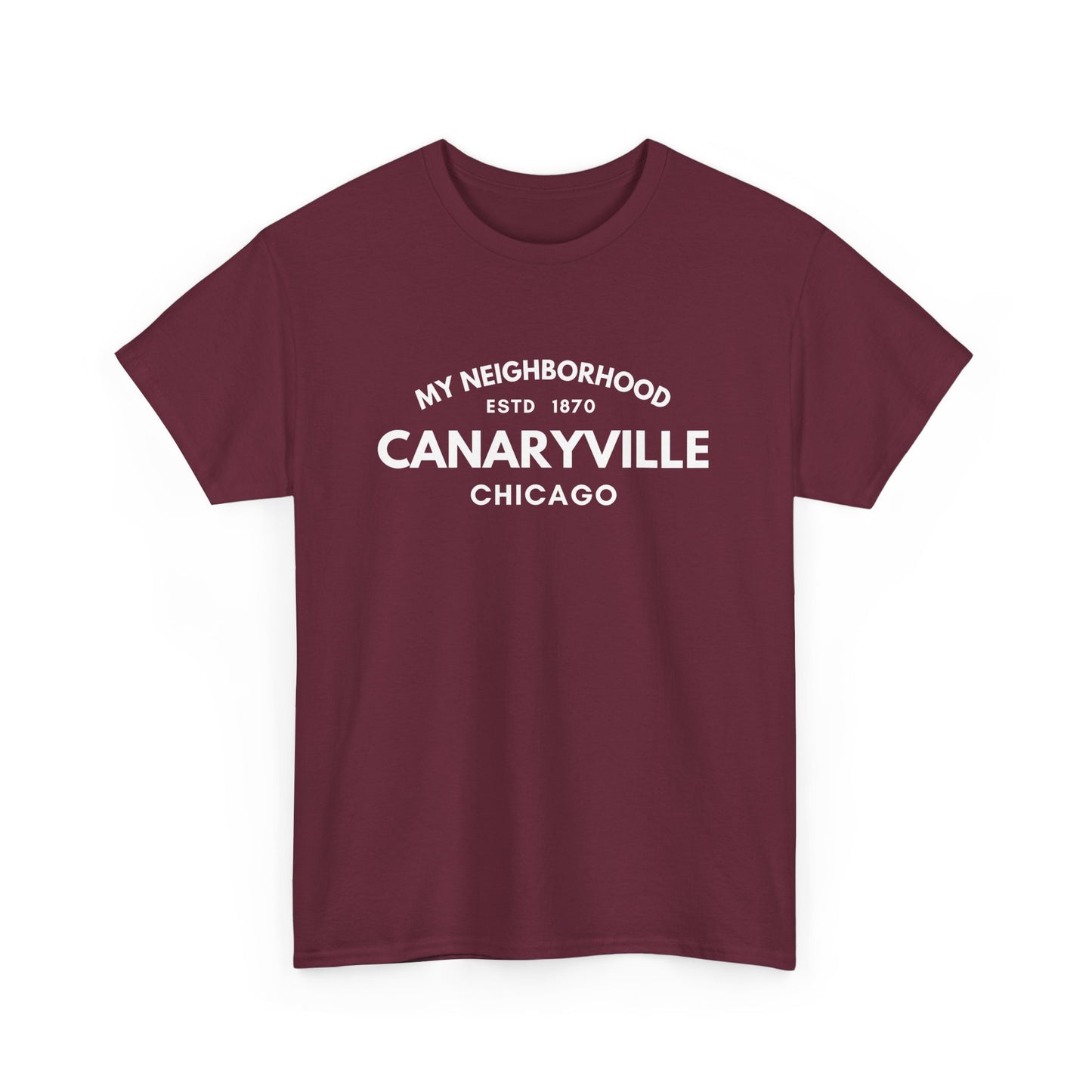
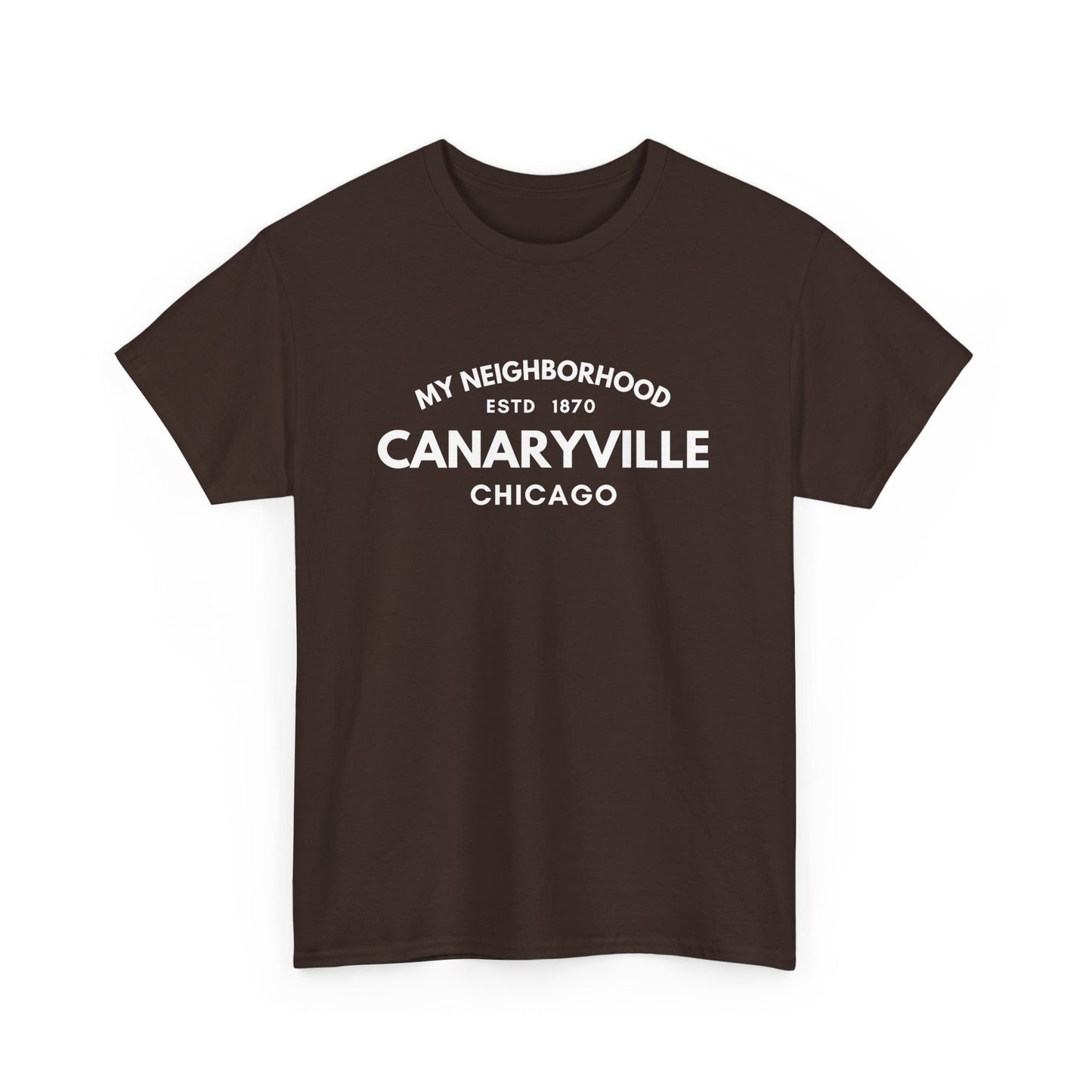
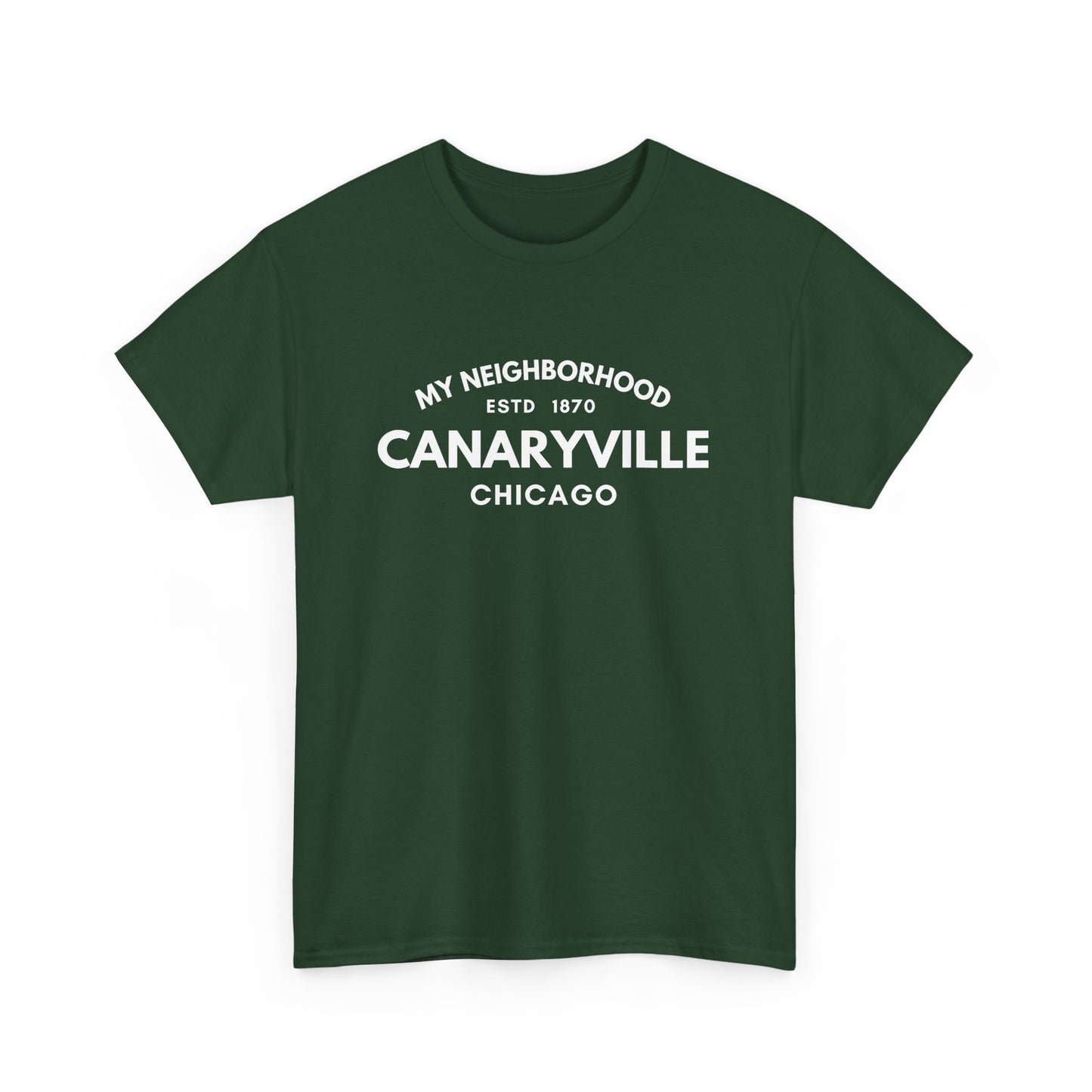
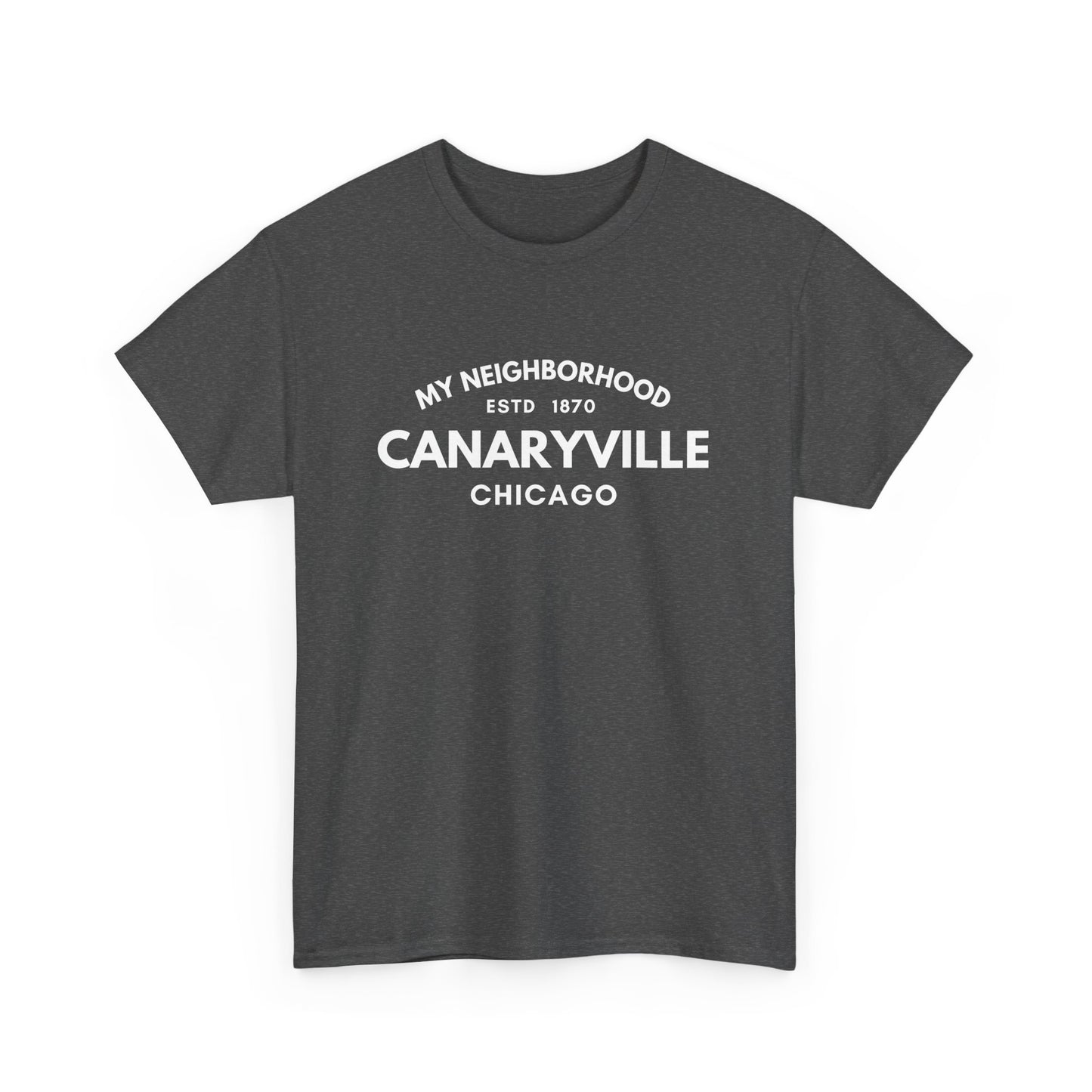
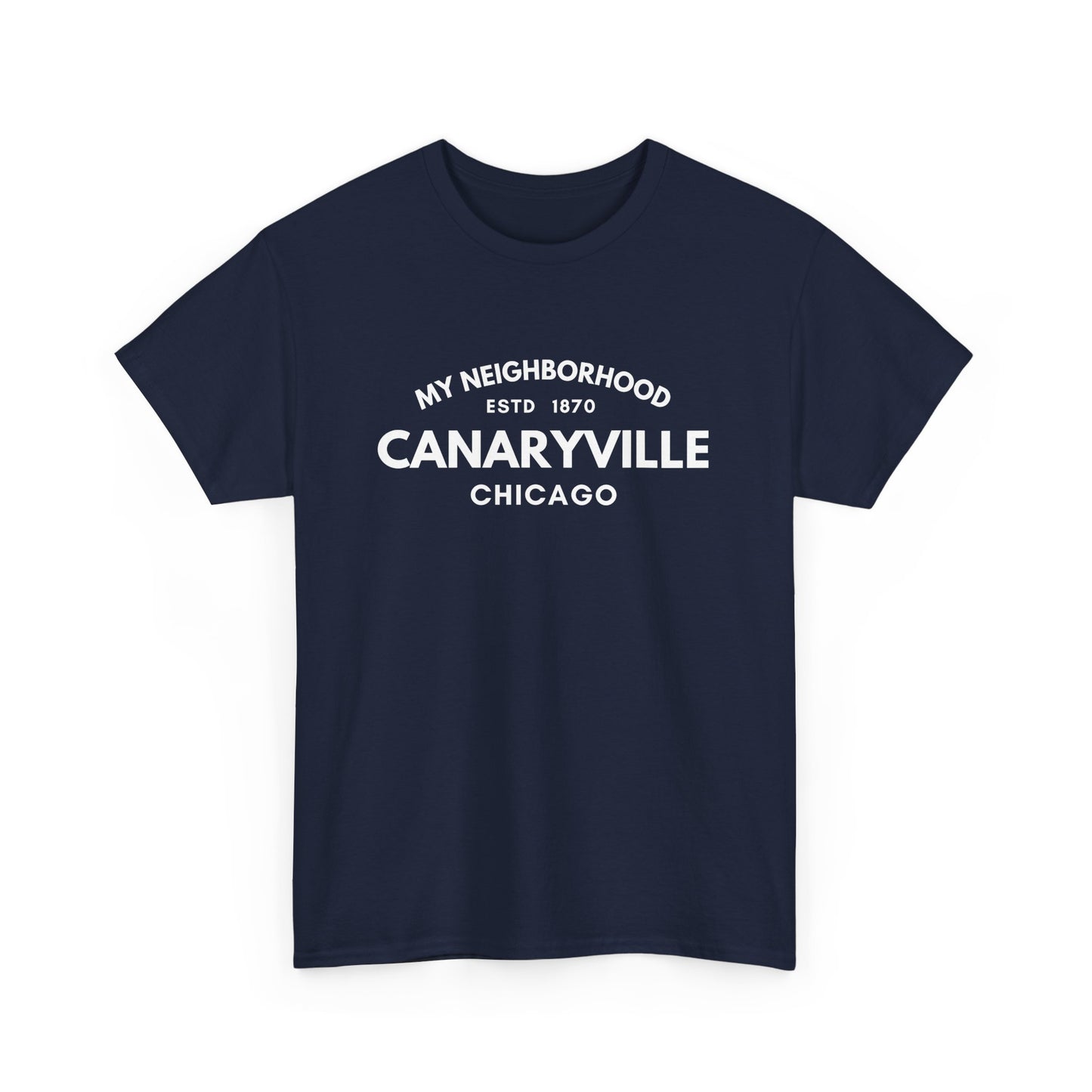
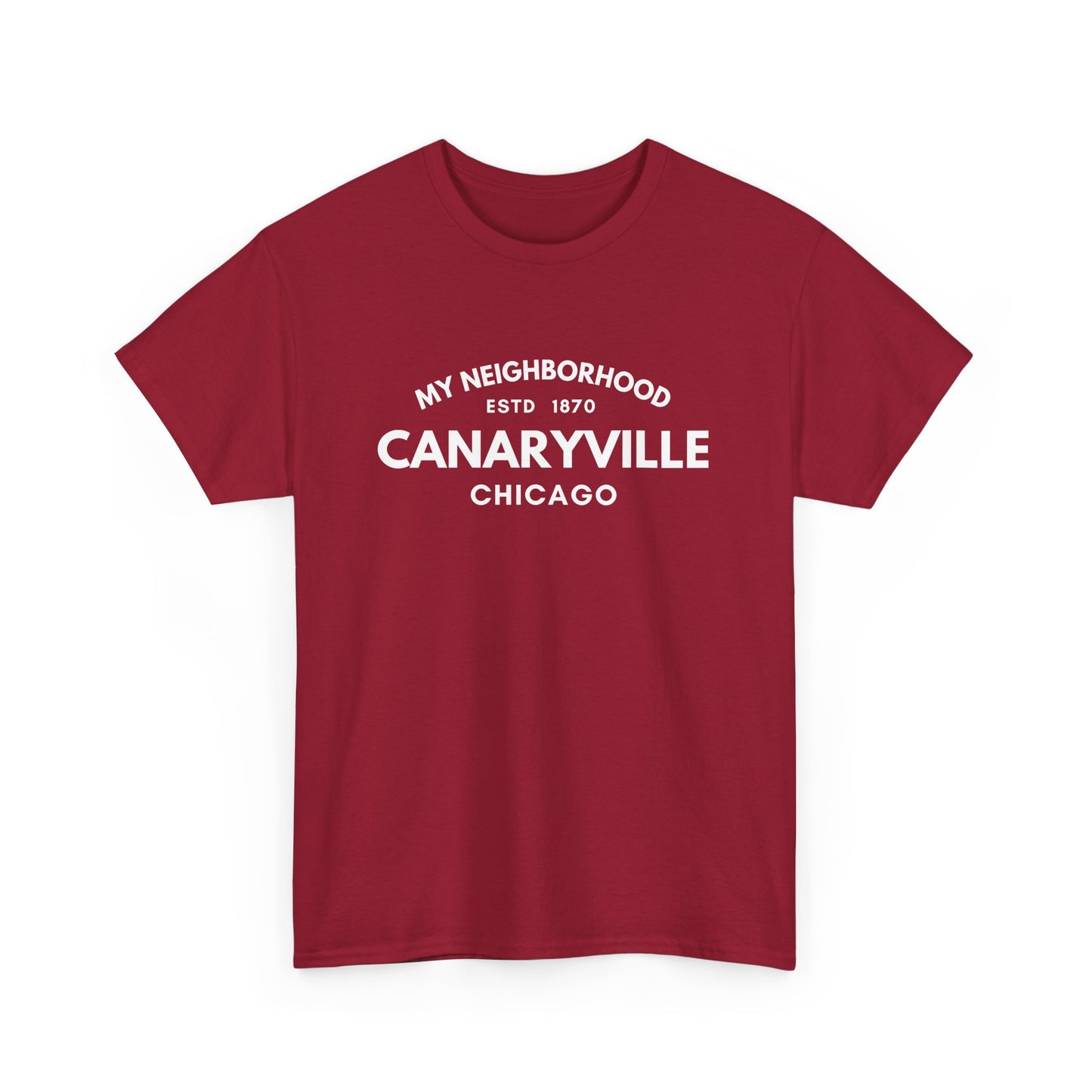
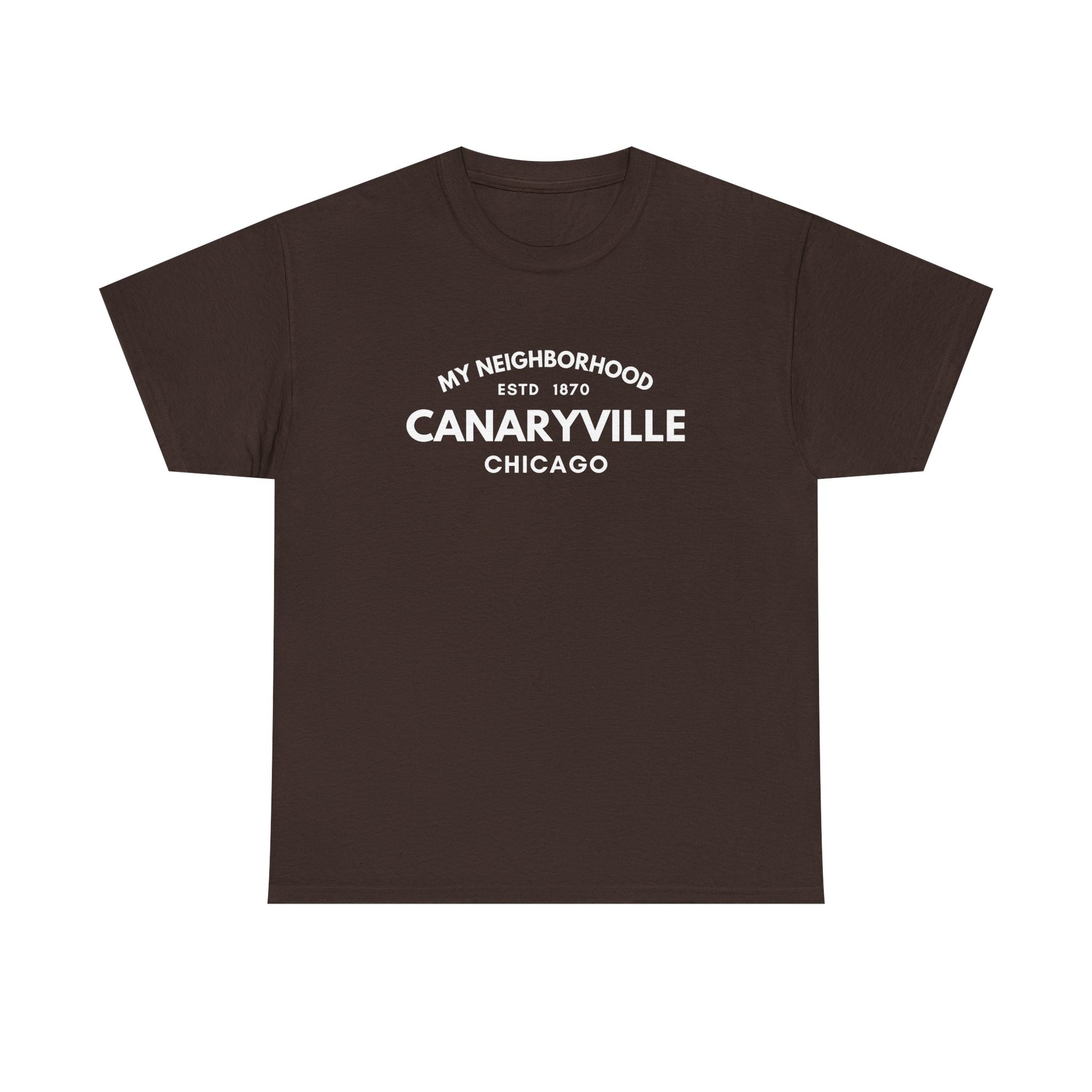
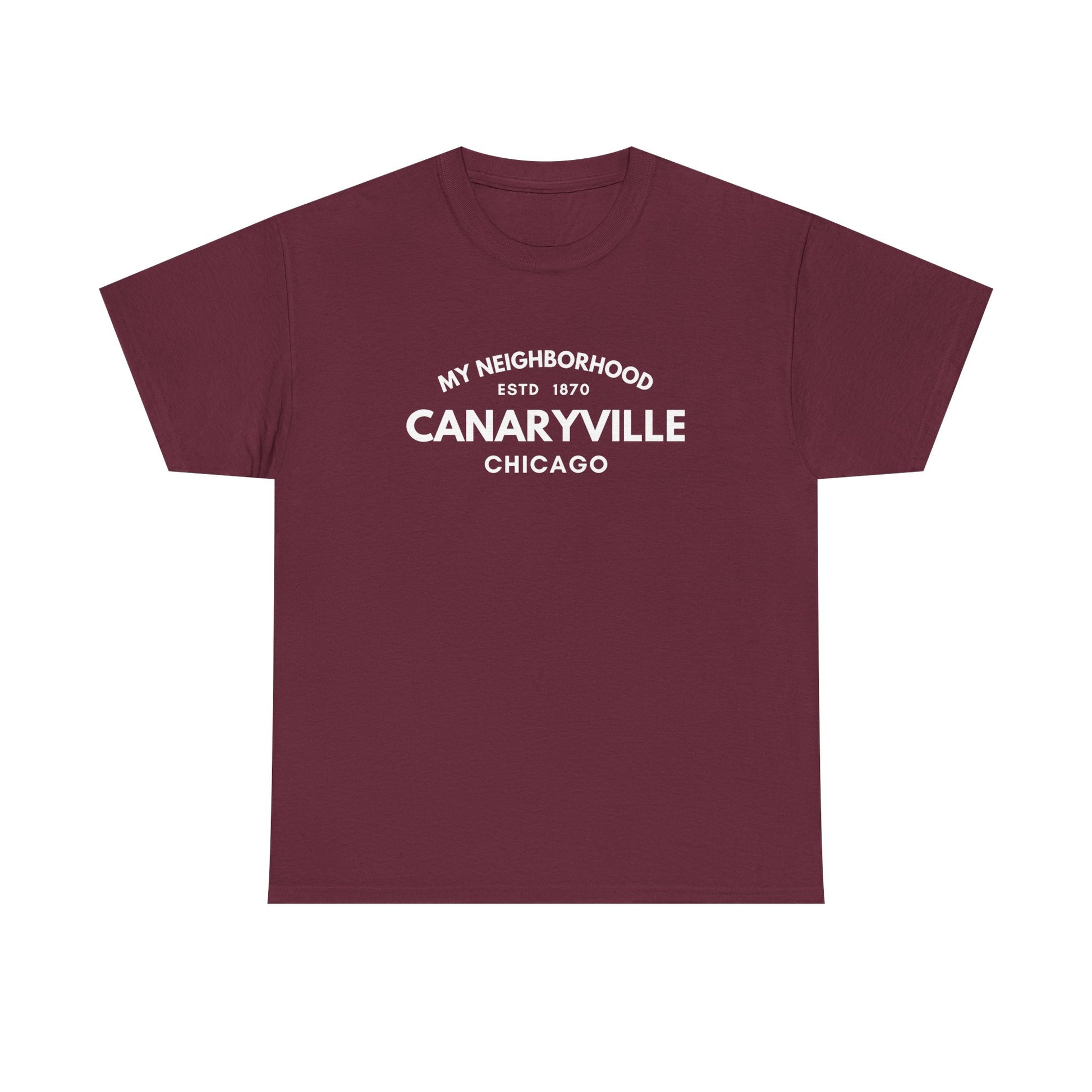
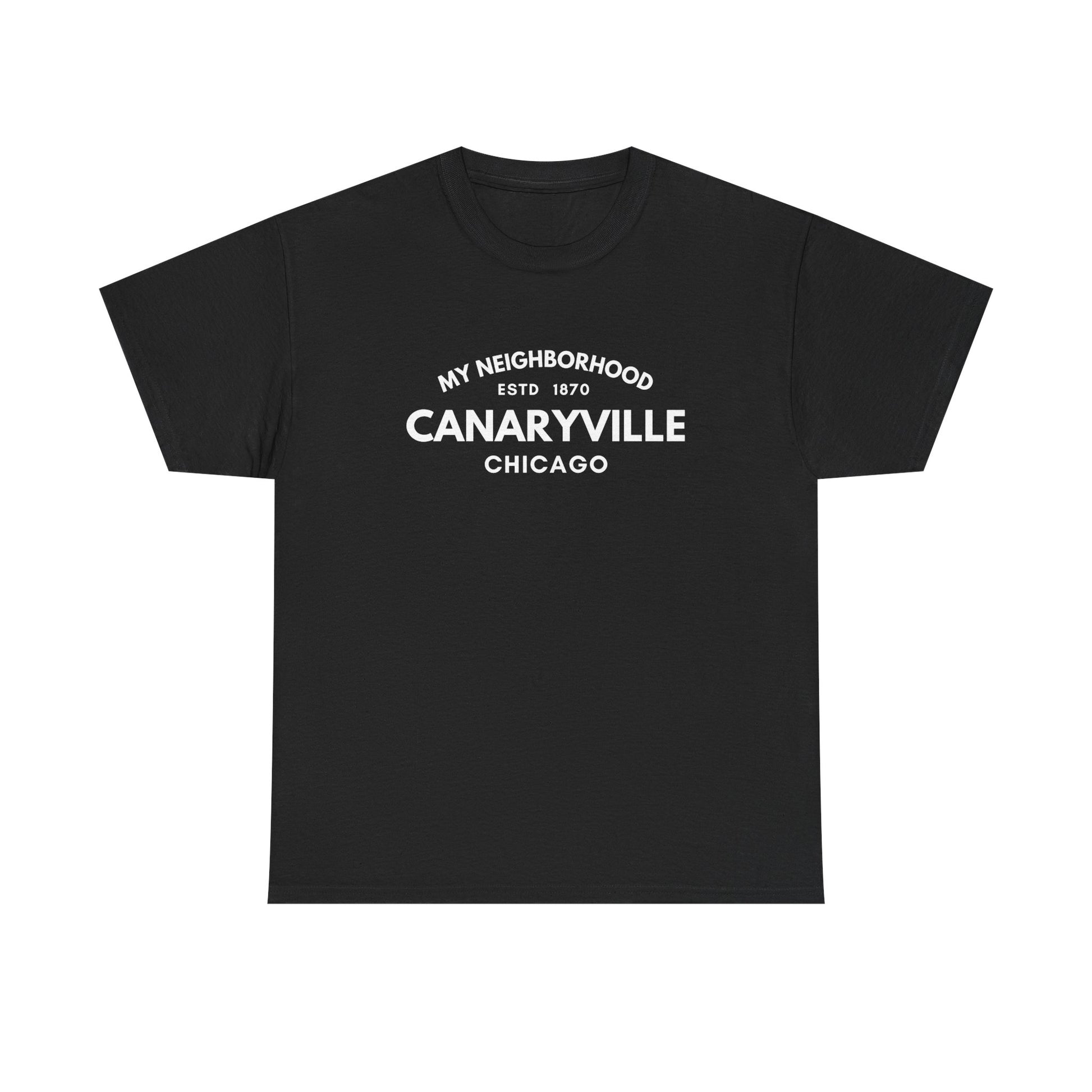
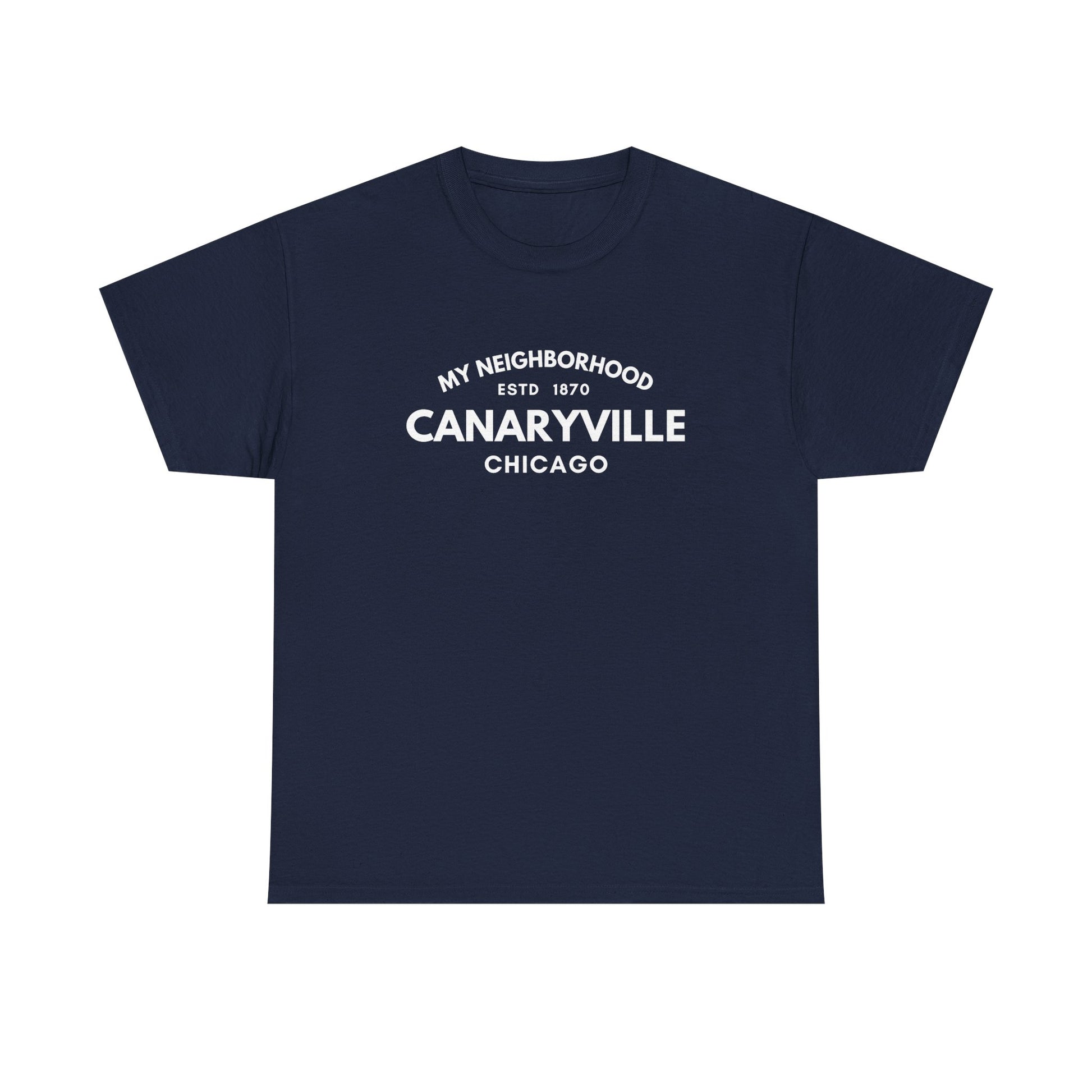
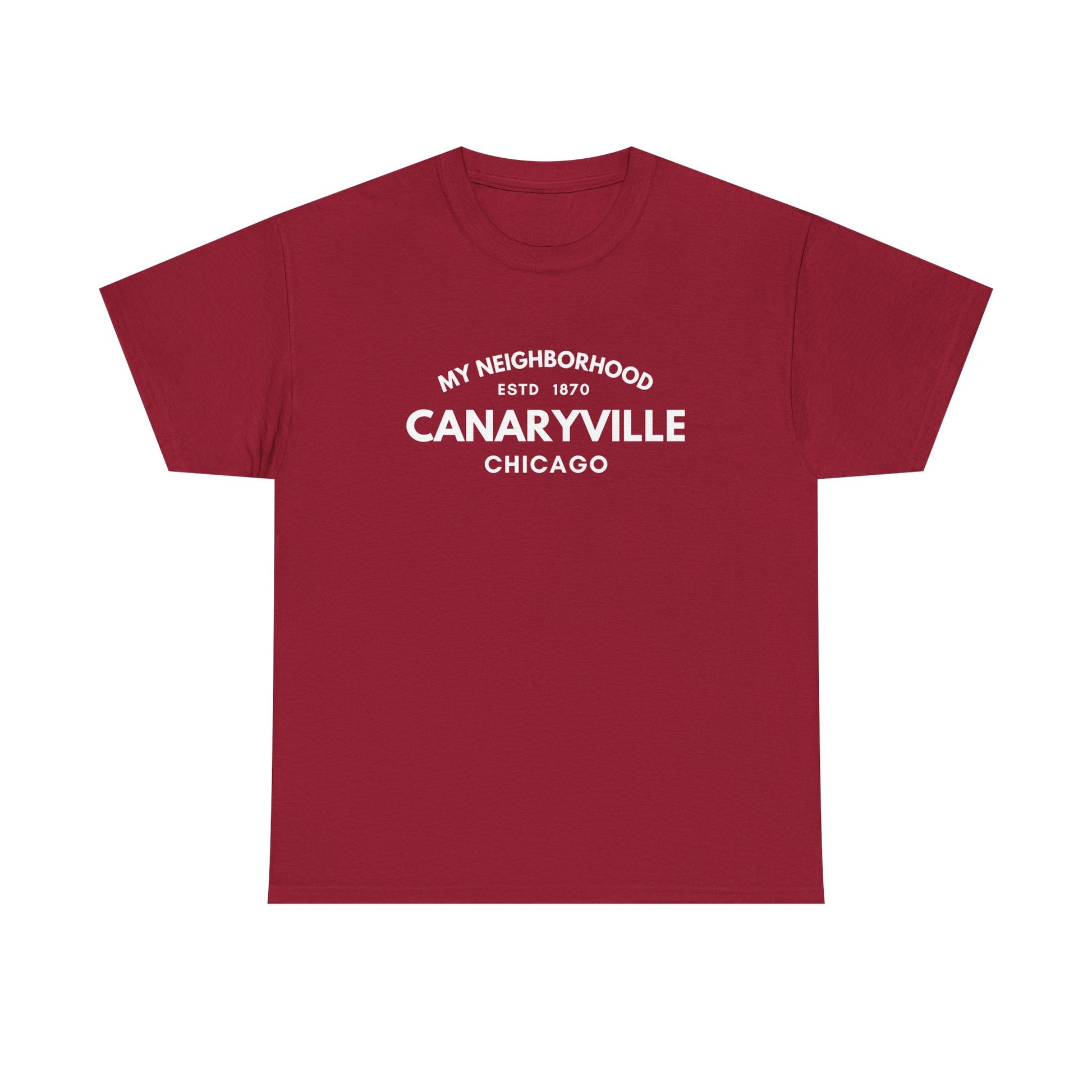
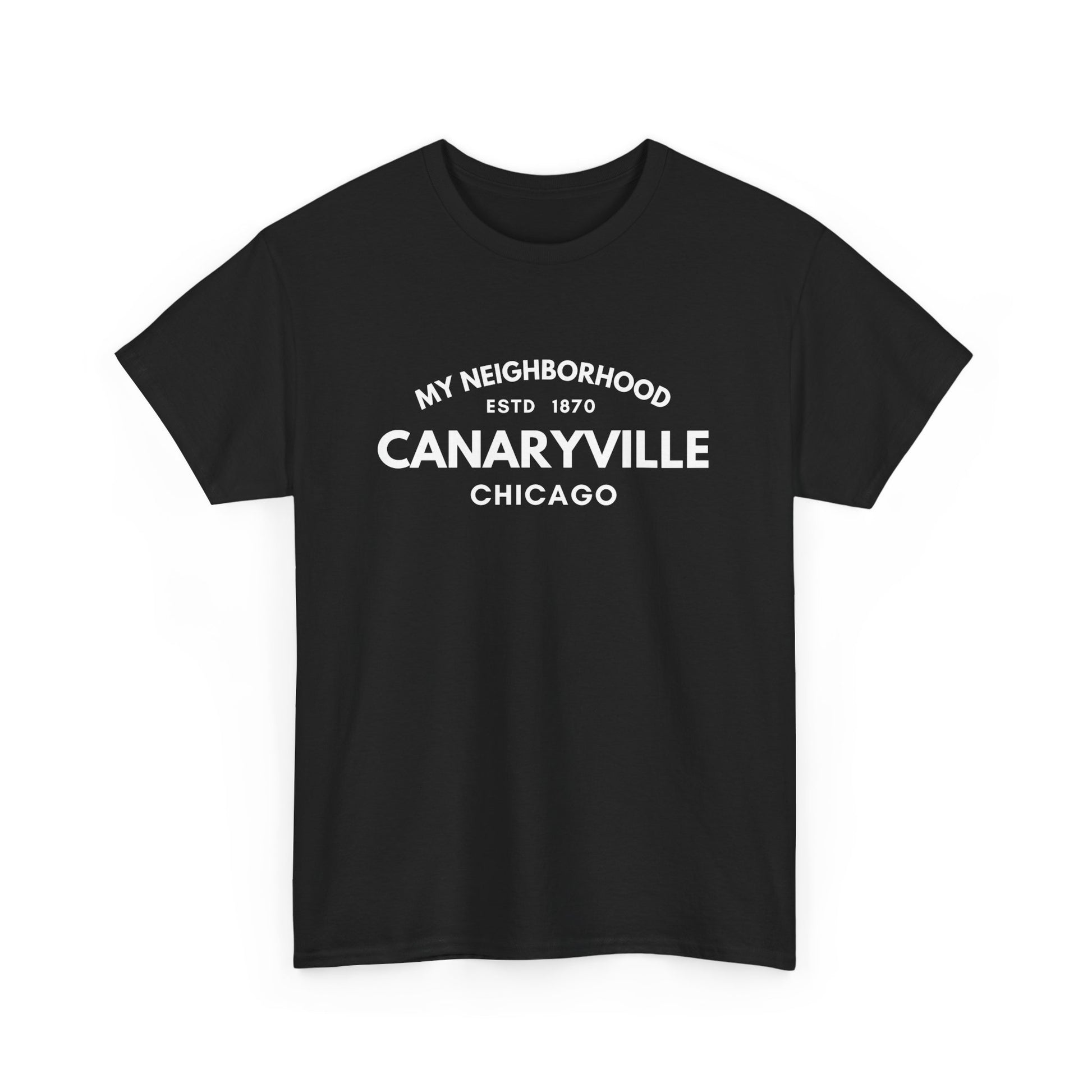
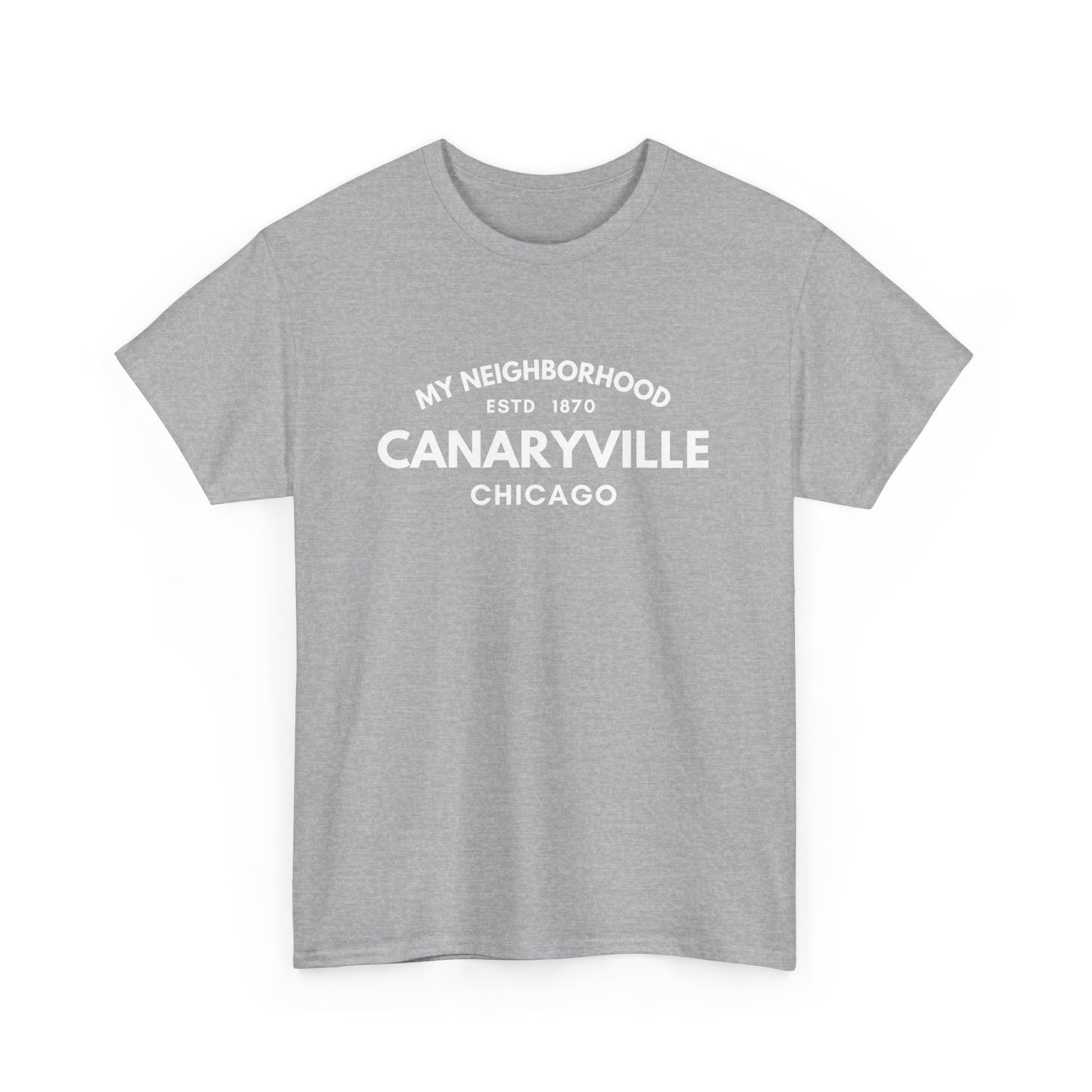
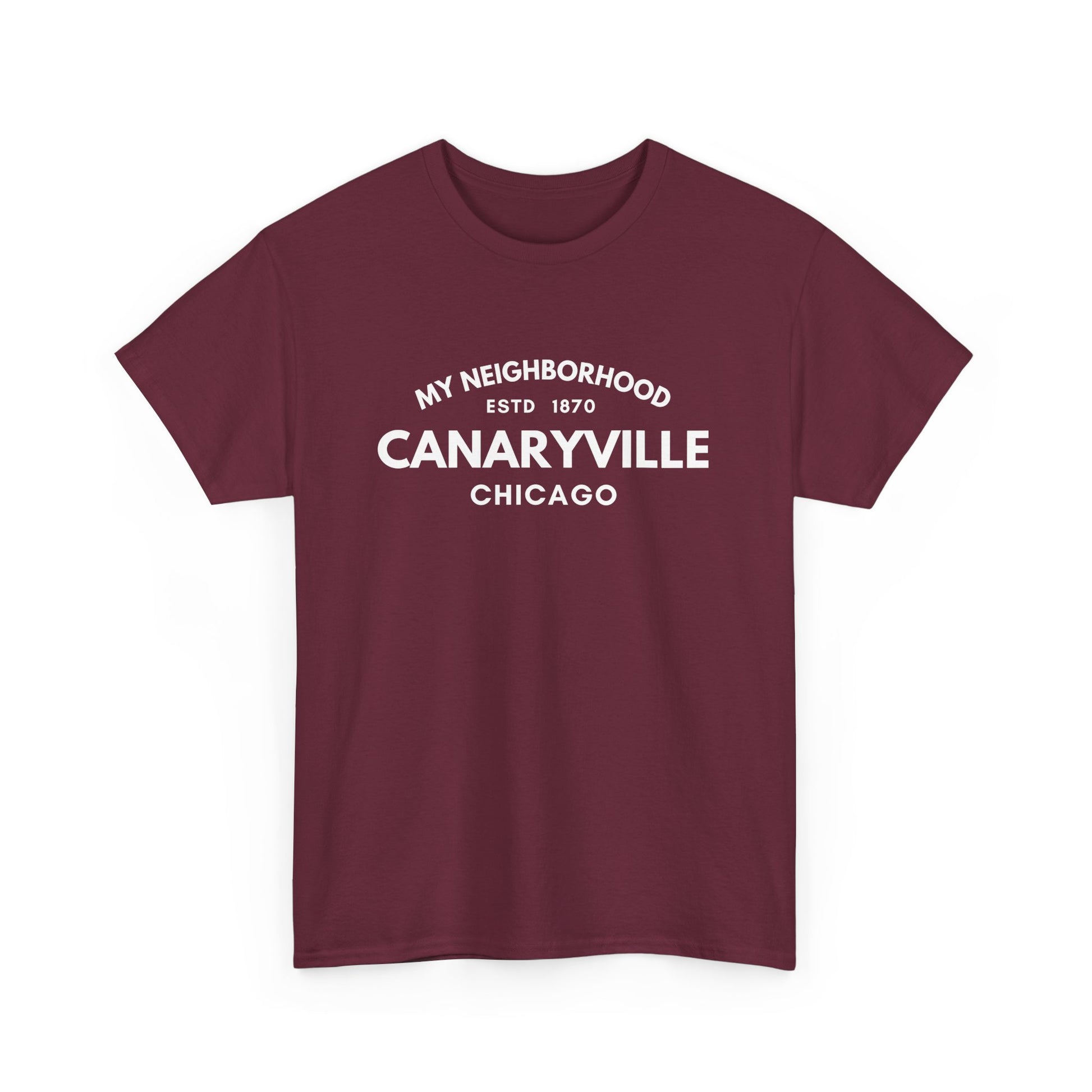
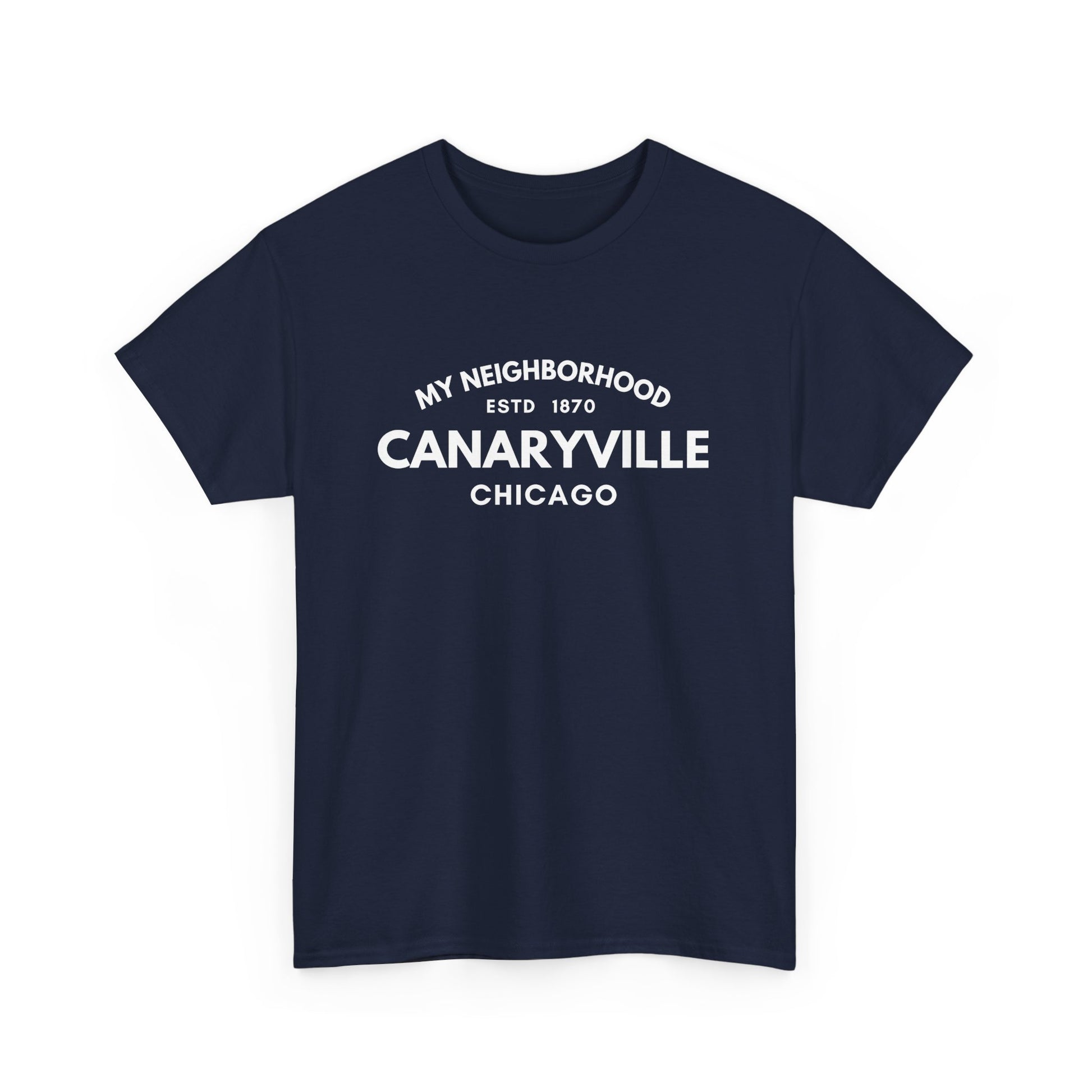
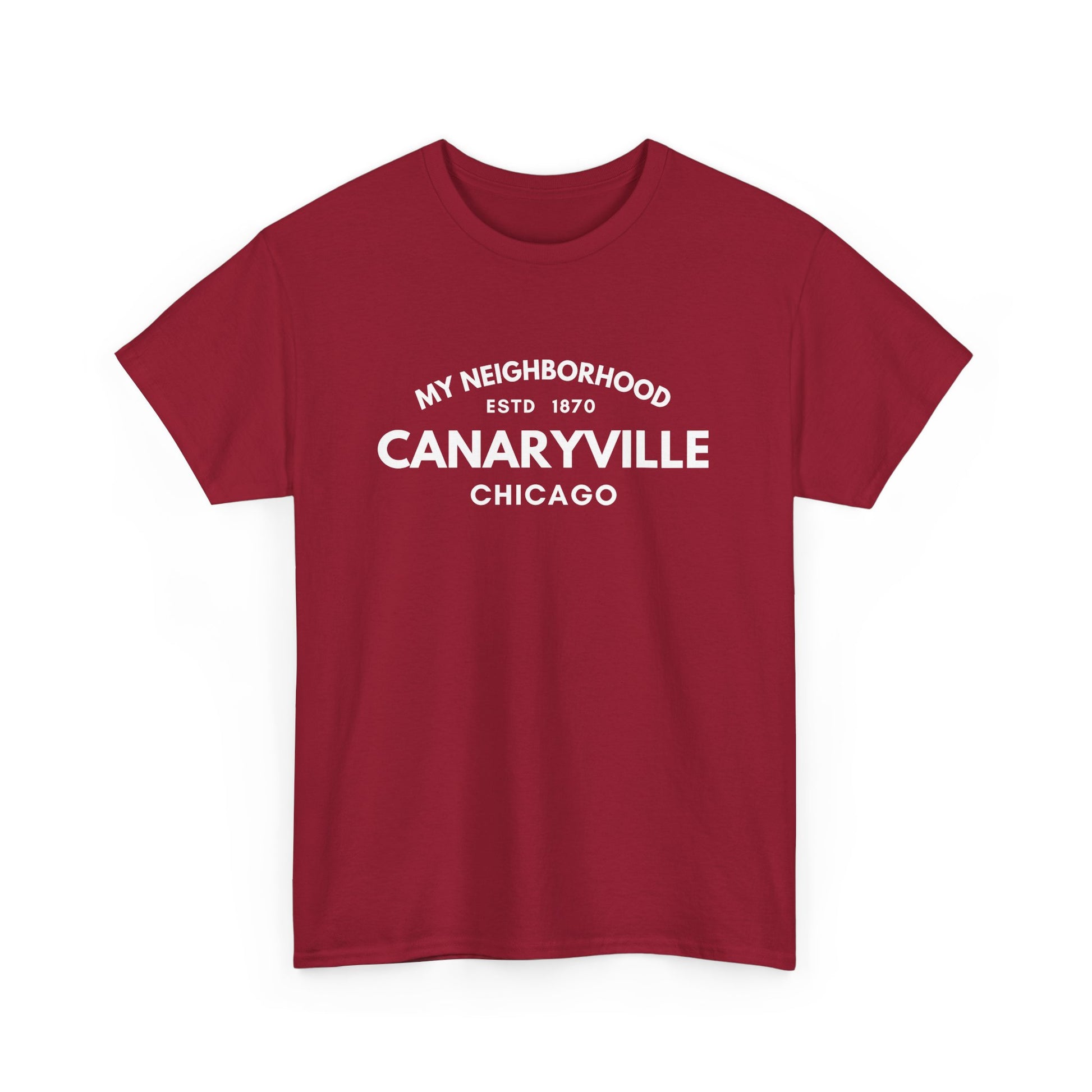
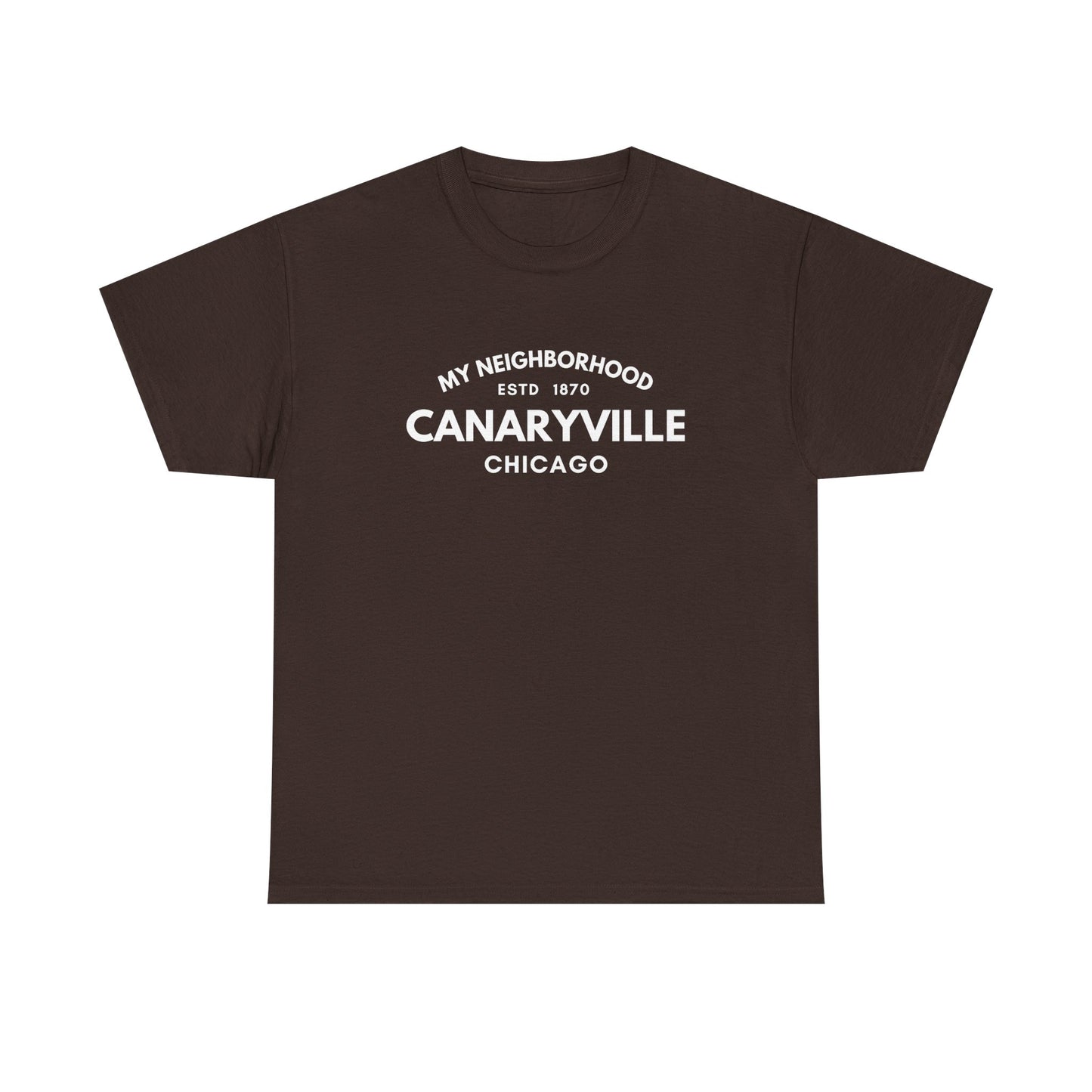
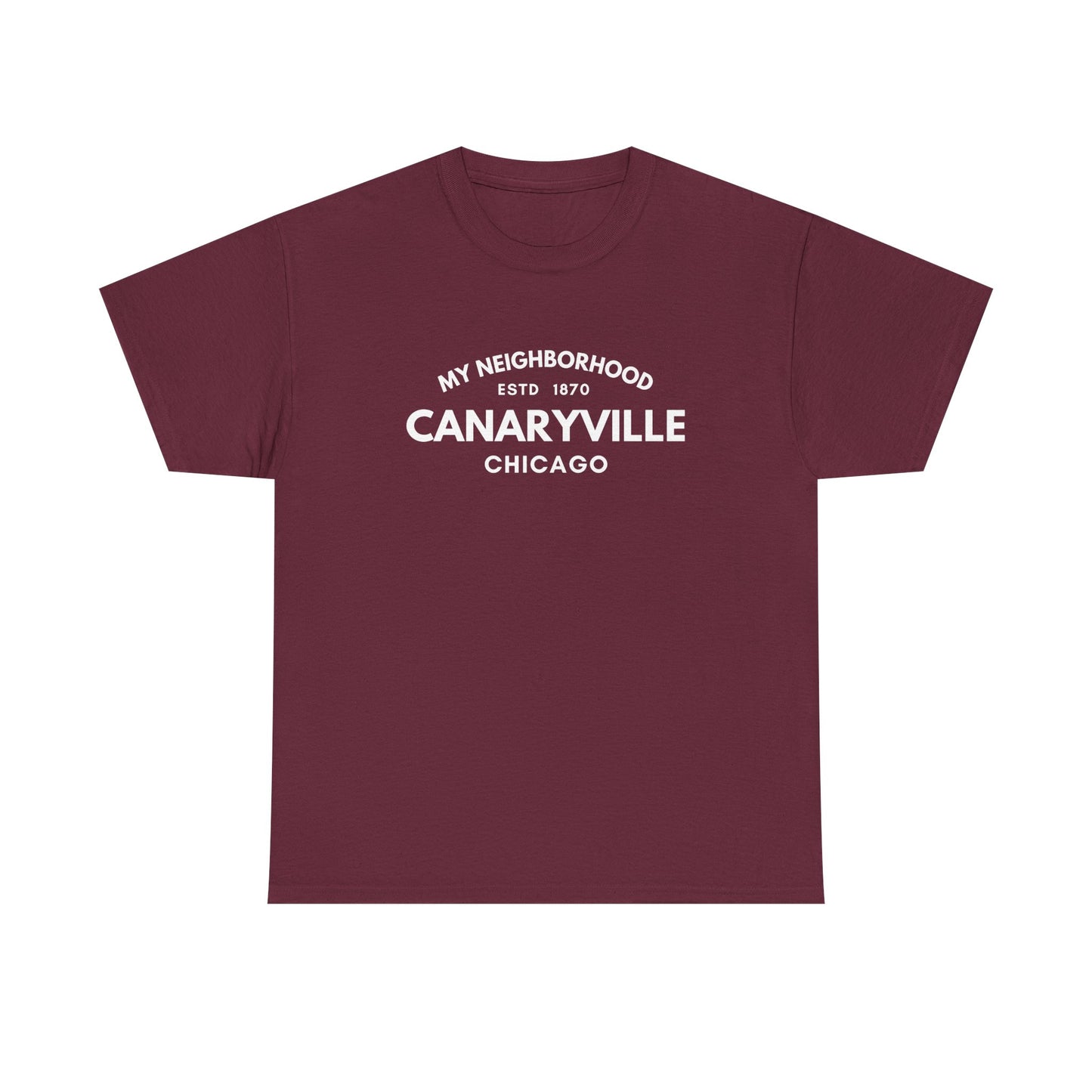
Canaryville - Chicago - Unisex Cotton Tee

Canaryville - Chicago - Unisex Cotton Tee

Regular price $29.95 CAD
Regular price Sale price $29.95 CAD
Sale Sold out

Canaryville grew beside the Union Stock Yards, which opened in 1865, and Irish immigrants were among its first residents. St. Gabriel Church, an 1888 design by the firm of Burnham and Root, has anchored the neighborhood since, with Halsted Street as its main street.
View full details