Local Landmarks & Heritage
- Fuller Park (NRHP 2002, Beaux-Arts fieldhouse)
- Eden Place Nature Center
- 1870s frame houses (S. Wells/S. Princeton)
- Rock Island Railroad corridor
Neighborhood History
Fuller Park takes its name from its namesake park, itself named for Melville Weston Fuller, the Illinois-born attorney who served as Chief Justice of the United States from 1888 to 1910. Irish immigrants settled the area in the 1860s after the Union Stock Yards opened on Christmas Day 1865, and the Lake Shore & Michigan Southern Railroad's 1871 roundhouse further anchored the community, which joined Chicago as part of the Town of Lake in 1889.
Construction on the neighborhood's namesake park began in 1910, delayed for years by a dispute over its location; when it finally opened, its Beaux-Arts fieldhouse, designed by D.H. Burnham and Company in the same style as the South Park Commission's other South Side parks, earned it a spot on the National Register of Historic Places in 2002. A handful of 1870s frame houses still stand on South Wells and South Princeton, and Eden Place Nature Center, built on a former illegal dumpsite in 2003, has become a genuine source of community pride.
MY-NHD's Fuller Park collection is built for one of the city's smallest, most resilient neighborhoods, still gathering in a Burnham-designed fieldhouse more than a century after it opened.
MY-NHD
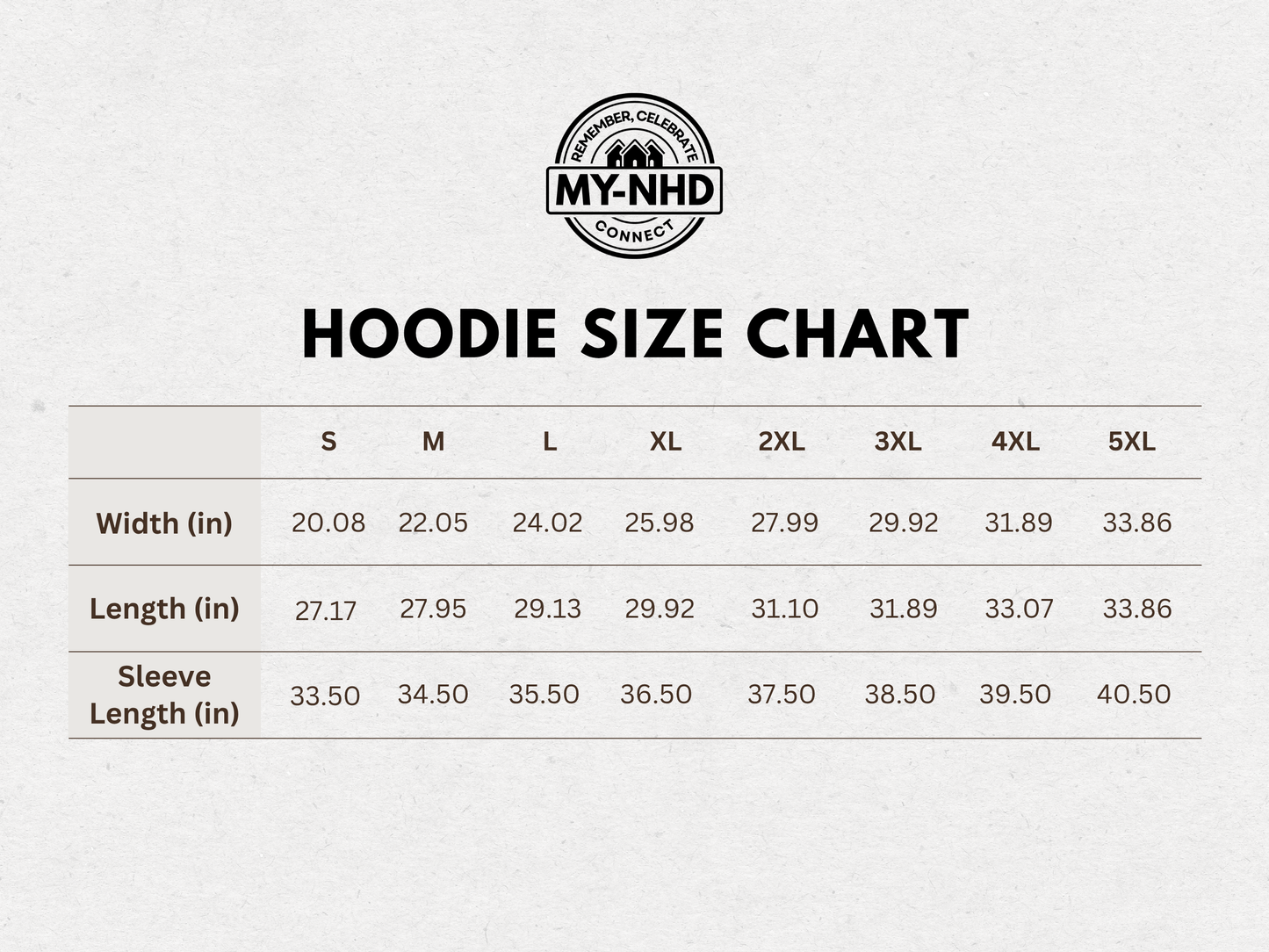
Fuller Park - Chicago - Unisex Heavy Blend Hoodie
Couldn't load pickup availability
Fuller Park takes its name from its park, which honors Melville W. Fuller, who led the U.S. Supreme Court as Chief Justice from 1888 to 1910. Irish workers settled here after the stockyards opened in 1865, and the park’s Burnham-designed fieldhouse is on the National Register.
Share