Local Landmarks & Heritage
- Oscar Stanton De Priest House (NHL)
- Robert S. Abbott House (NHL)
- Victory Monument (35th & King Drive)
- Overton Hygienic Building (1922)
Neighborhood History
Grand Boulevard takes its name from the wide, tree-lined promenade that once ran through it, now known as Martin Luther King Jr. Drive. Originally called the Forrestville Settlement, the area became part of Hyde Park Township in 1861 and was annexed to Chicago along with the rest of Hyde Park in 1889, developing first as a neighborhood of stately greystones and mansions for the city's white middle and upper classes.
That changed dramatically during the Great Migration, when Grand Boulevard became the epicenter of what a local newspaper editor, James Gentry, dubbed "Bronzeville" in 1930. By the 1920s, the neighborhood was home to entrepreneurs, intellectuals, and civil rights pioneers, including Oscar Stanton De Priest, the first African American elected to Congress after Reconstruction, whose home is a National Historic Landmark, and journalist Robert S. Abbott, whose house carries the same designation. The Victory Monument at 35th and King Drive still honors the all-Black Eighth Regiment that fought in France during World War I.
MY-NHD's Grand Boulevard collection is built for a neighborhood that helped define what came to be called the Black Metropolis, and never stopped being a source of pride for the community that built it.
MY-NHD
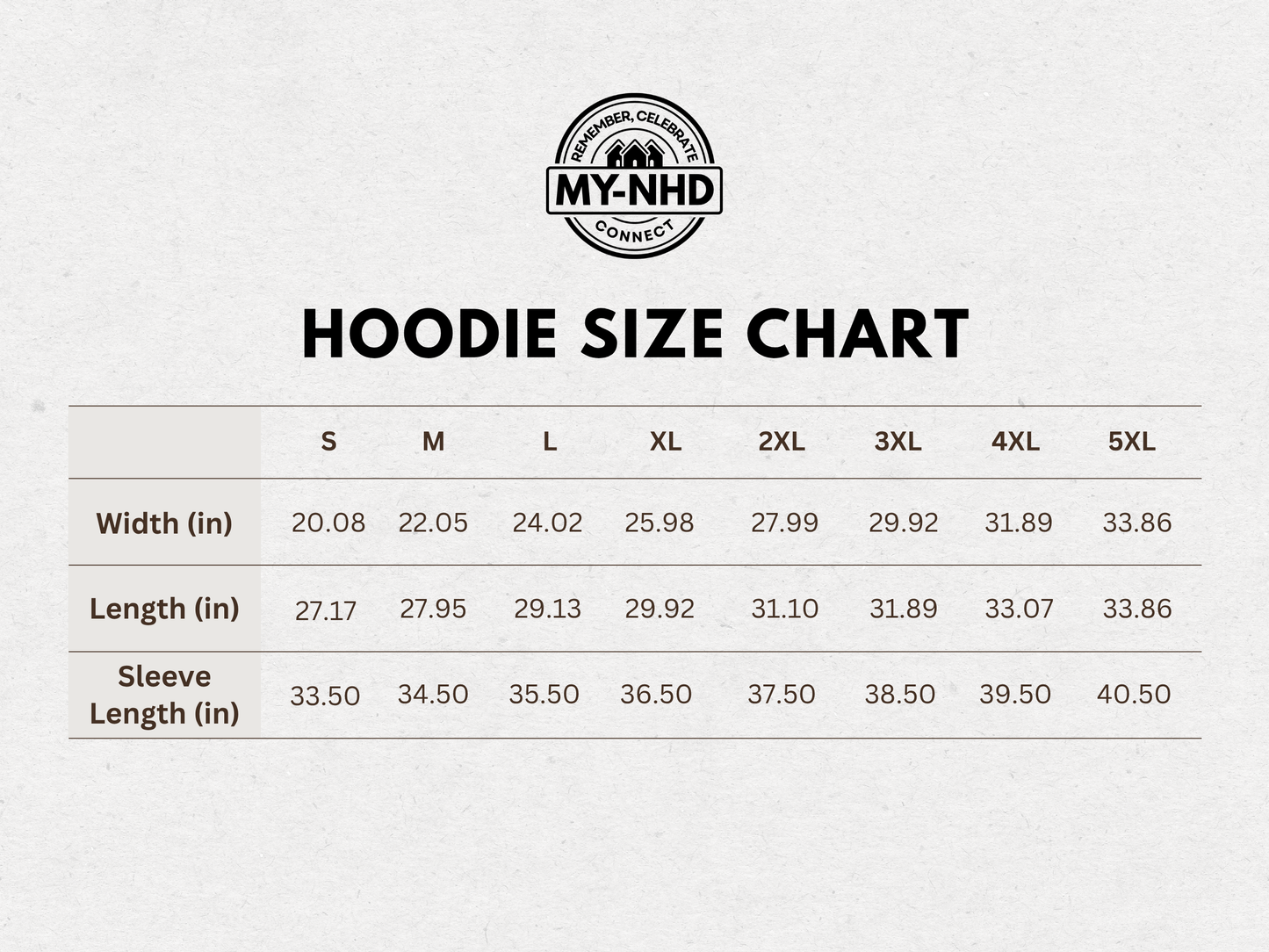
Grand Boulevard - Chicago - Unisex Heavy Blend Hoodie
Couldn't load pickup availability
Grand Boulevard is named for the broad promenade now called Martin Luther King Jr. Drive, and it was annexed to Chicago with Hyde Park Township in 1889. During the Great Migration it became the heart of Bronzeville, where the Victory Monument stands at 35th Street.
Share