Skip to product information
1 of 24

Local Landmarks & Heritage

  • The Powhatan Apartments (1929, Chicago Landmark)
  • The Narragansett (NRHP)
  • Algonquin & Chippewa Apartments (Mies van der Rohe, 1951)
  • Site of the former Chicago Beach Hotel

Neighborhood History

Indian Village takes its informal name from the cluster of apartment towers built here in the 1920s and '30s, each named for an American Indian tribe: the Narragansett, the Powhatan, the Chippewa, the Algonquin. Much of the ground they stand on didn't exist until sand collected around the piers of the old Chicago Beach Hotel, eventually adding seven acres of new lake-bottom land, with nine more acres added in the 1920s when the hotel traded its riparian rights to make way for the southern extension of Lake Shore Drive.

The Powhatan, completed in 1929, is a Chicago Landmark and the only building left in the city with a 24-hour elevator operator. Architect Ludwig Mies van der Rohe designed the Algonquin and the neighboring Chippewa Cooperative, completed in 1951, though he later asked to have his name disassociated from both after the developer altered his glass-enclosed lobby designs. The Narragansett carries its own listing on the National Register of Historic Places, and Regents Park now stands on the site of the old Chicago Beach Hotel.

MY-NHD's Indian Village collection is built for a small, lakefront corner of Kenwood where a cluster of towers has carried the same names for a century.

MY-NHD

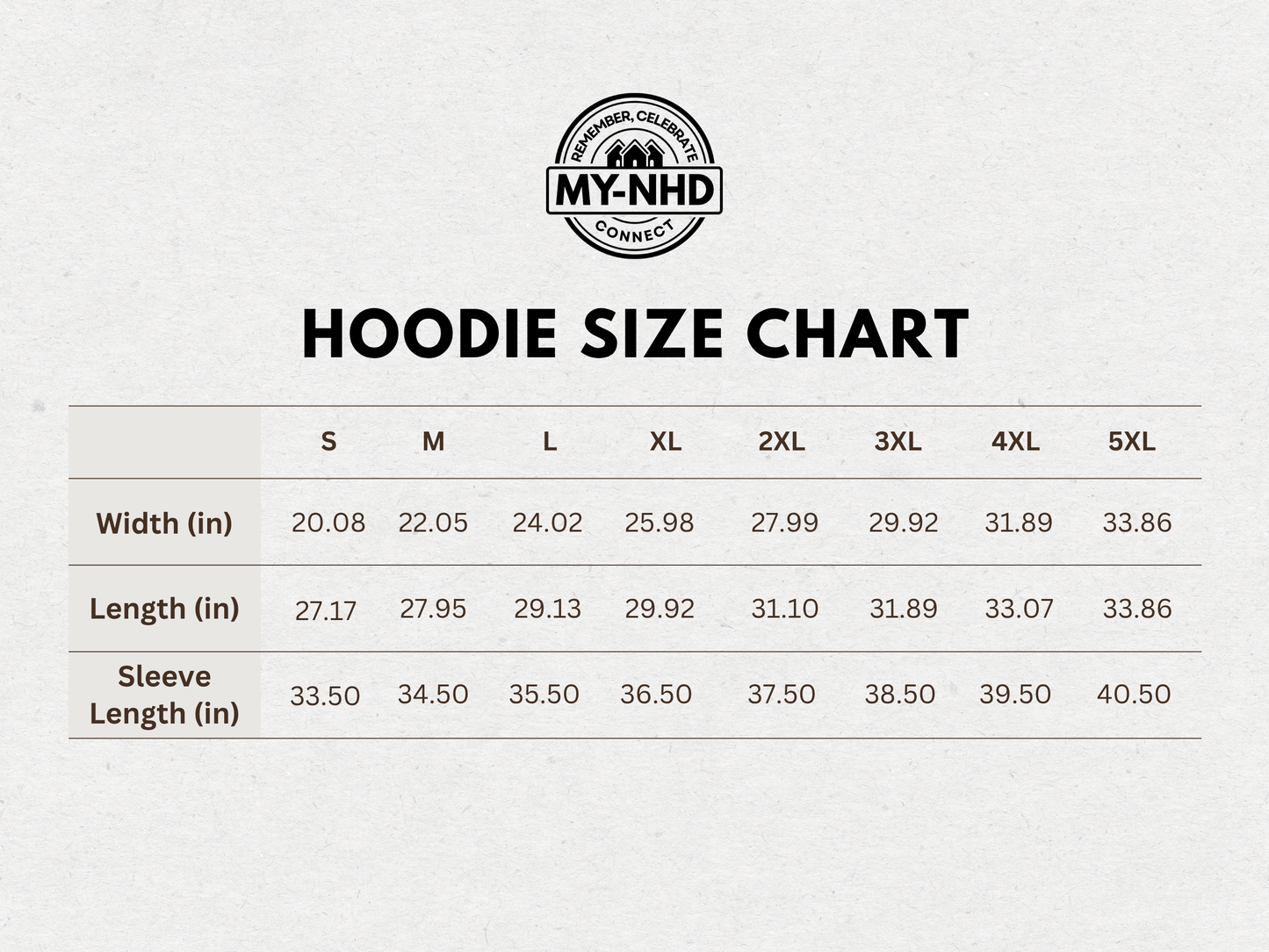
Indian Village - Chicago - Unisex Heavy Blend Hoodie

Indian Village - Chicago - Unisex Heavy Blend Hoodie

Regular price $46.95 CAD
Regular price Sale price $46.95 CAD
Sale Sold out

Indian Village is named for its 1920s apartment towers, each named for a Native American nation, built partly on land formed by sand around the old Chicago Beach Hotel. The Powhatan, finished in 1929, has been designated a Chicago Landmark.

View full details