Local Landmarks & Heritage
- Lilydale First Baptist Church (1915)
- Original Goodwin & Hodges-built brick homes
- Princeton Park boundary
- Chicago & Eastern Illinois Railroad tracks
Neighborhood History
Lilydale takes its name from the wild lilies that once grew alongside cabbage and onions on this stretch of farmland at Roseland's northwestern tip, an area so sparsely settled through the 1920s and 1930s that locals simply called it a "cabbage patch." Everything changed in 1942, when Black contractors Matthew Goodwin and "Duke" Hodges began building simple, affordable brick homes and duplexes here to house Black defense workers and war-industry laborers arriving during the Second Great Migration.
Those modest brick houses, built by Black tradesmen for Black families at a time when housing options elsewhere in the city were deliberately restricted, made Lilydale the first established Black community in Roseland. Lilydale First Baptist Church, built by its own congregation between 1915 and 1917 and still standing on West 113th Street since 1972, has anchored the community through more than a century of change, and many of the original Goodwin and Hodges-built brick homes still stand today.
MY-NHD's Lilydale collection is built for a community that built itself, brick by brick, when few other options were open to the people who called it home.
MY-NHD
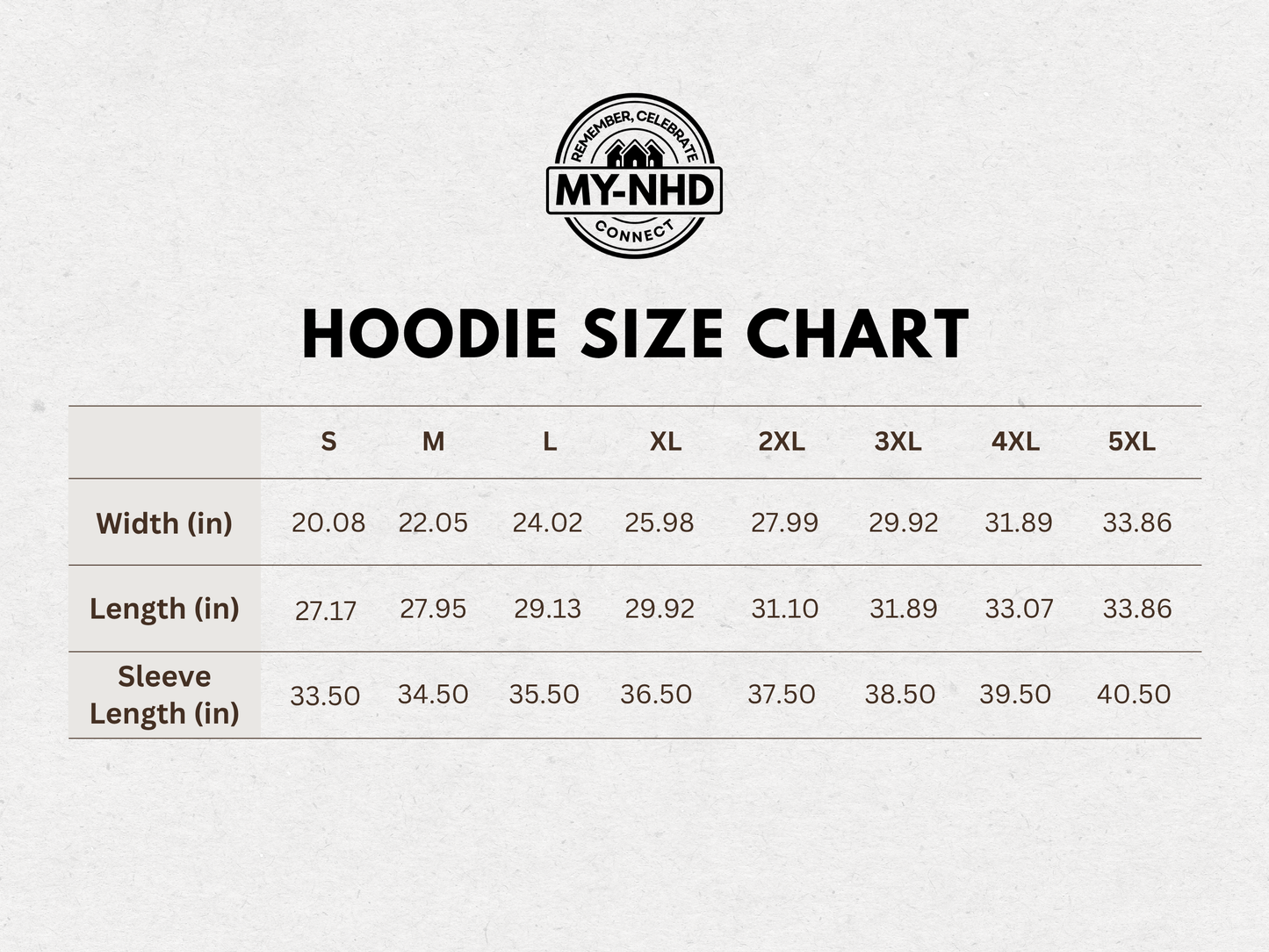
Lilydale - Chicago - Unisex Heavy Blend Hoodie
Couldn't load pickup availability
Lilydale, at the northwest tip of Roseland, is named for the wild lilies that grew among its farm fields. From 1942, Black contractors Matthew Goodwin and Duke Hodges built brick homes here for Black war workers, and many still stand.
Share