Local Landmarks & Heritage
- Thalia Hall (1892)
- Pilsen Historic District (NRHP)
- National Museum of Mexican Art
- Pilsen murals
Neighborhood History
The Lower West Side takes its main identity from Pilsen, the neighborhood Czech immigrants formally founded in 1878 and named for Plzen, the fourth-largest city in their Bohemian homeland. Settling on ground that had survived the Great Chicago Fire of 1871, these Freethinkers built an extensive network of schools, athletic clubs, and credit unions that made Pilsen the largest Bohemian settlement anywhere in the United States, a position it held until Czech independence after World War I slowed immigration.
Mexican families began arriving in the 1950s, displaced from other neighborhoods by highway construction and urban renewal, and by 1970 had become the area's majority population. Thalia Hall, built in 1892 as a Czech community gathering hall, still hosts concerts today, and the Pilsen Historic District, added to the National Register of Historic Places, preserves the neighborhood's surviving 19th-century buildings alongside the murals and the National Museum of Mexican Art that now define its identity.
MY-NHD's Lower West Side collection is built for a neighborhood that has been a point of entry for immigrants for nearly 150 years, first Czech, now Mexican, and always working-class.
MY-NHD
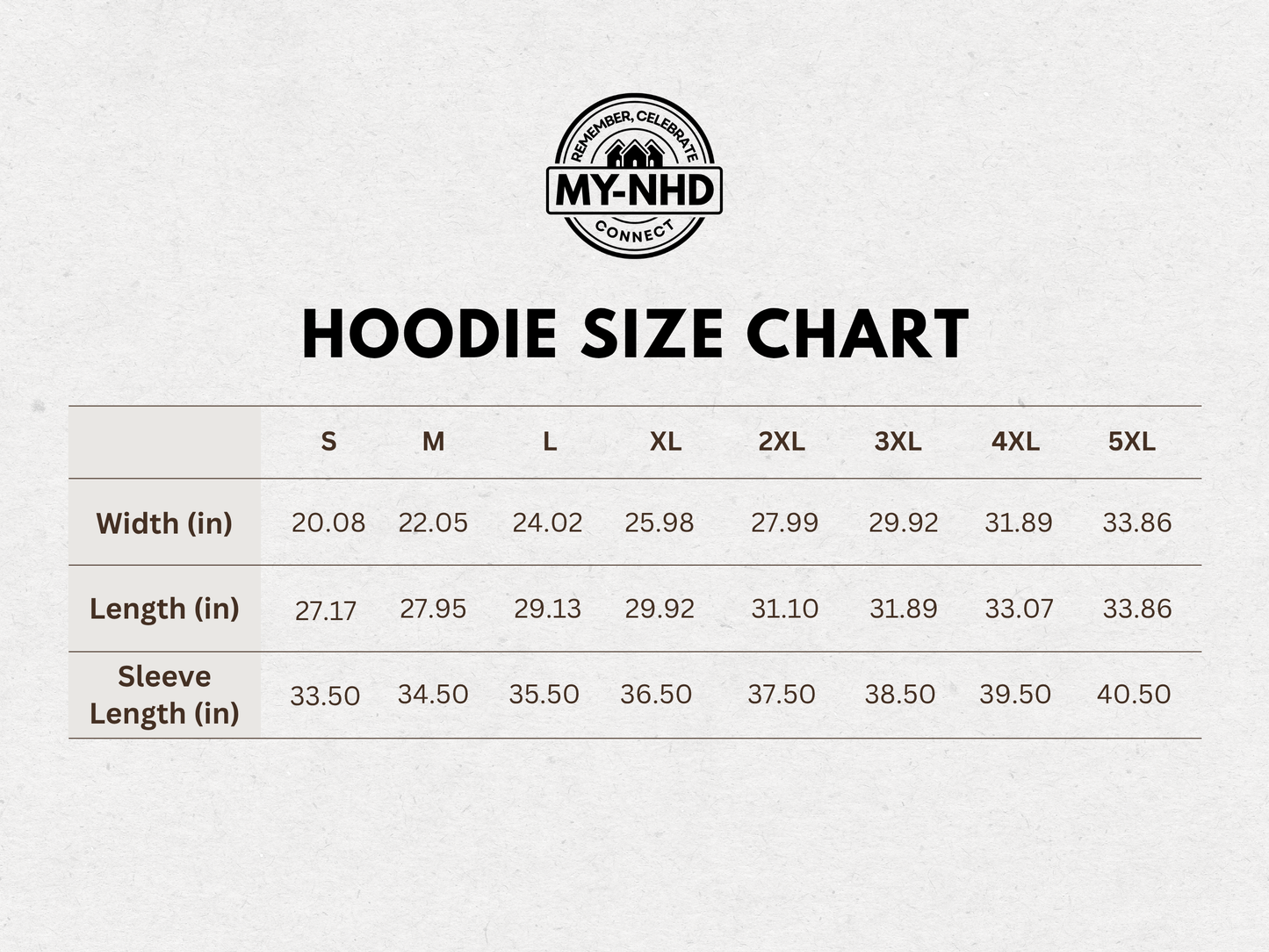
Lower West Side - Chicago - Unisex Heavy Blend Hoodie
Couldn't load pickup availability
The Lower West Side centers on Pilsen, founded by Czech immigrants in 1878 and named for the Bohemian city of Plzen. Mexican families became the majority by 1970, and Thalia Hall, built in 1892, still hosts concerts.
Share