Local Landmarks & Heritage
- St. Hyacinth Basilica
- St. Wenceslaus Church
- Milwaukee Avenue commercial corridor
- "Razem" mural (1975, Caryl Yasko) at Belmont and Pulaski
Neighborhood History
Polish Village comprises two adjoining Polish enclaves — Jackowo and Waclawowo — named for their anchor parishes, St. Hyacinth's Basilica and St. Wenceslaus Church, within the Avondale community. Polish settlement here began in the late nineteenth and early twentieth centuries as immigrants spread northwest from Polonia Triangle along Milwaukee Avenue's "Polish Corridor." The neighborhood became the nexus of Chicago's Polonia beginning in the 1970s, as the city's Polish community shifted away from the older Polish Downtown near Division Street.
Milwaukee Avenue still serves as the district's commercial spine, lined historically with Polish bakeries, sausage shops, and restaurants. During the 1980s, the neighborhood's Solidarity-era refugees and organizers helped fund and publicize the movement that would eventually help bring down Poland's Communist government — a chapter memorialized in the 1975 mural "Razem" ("Together") near Belmont and Pulaski. St. Hyacinth Basilica and St. Wenceslaus Church remain the district's anchor institutions today.
From two immigrant parishes to a hub of transatlantic political organizing, Polish Village's history reaches from a Chicago storefront all the way to the fall of the Iron Curtain — a legacy worth wearing on your own street corner.
MY-NHD
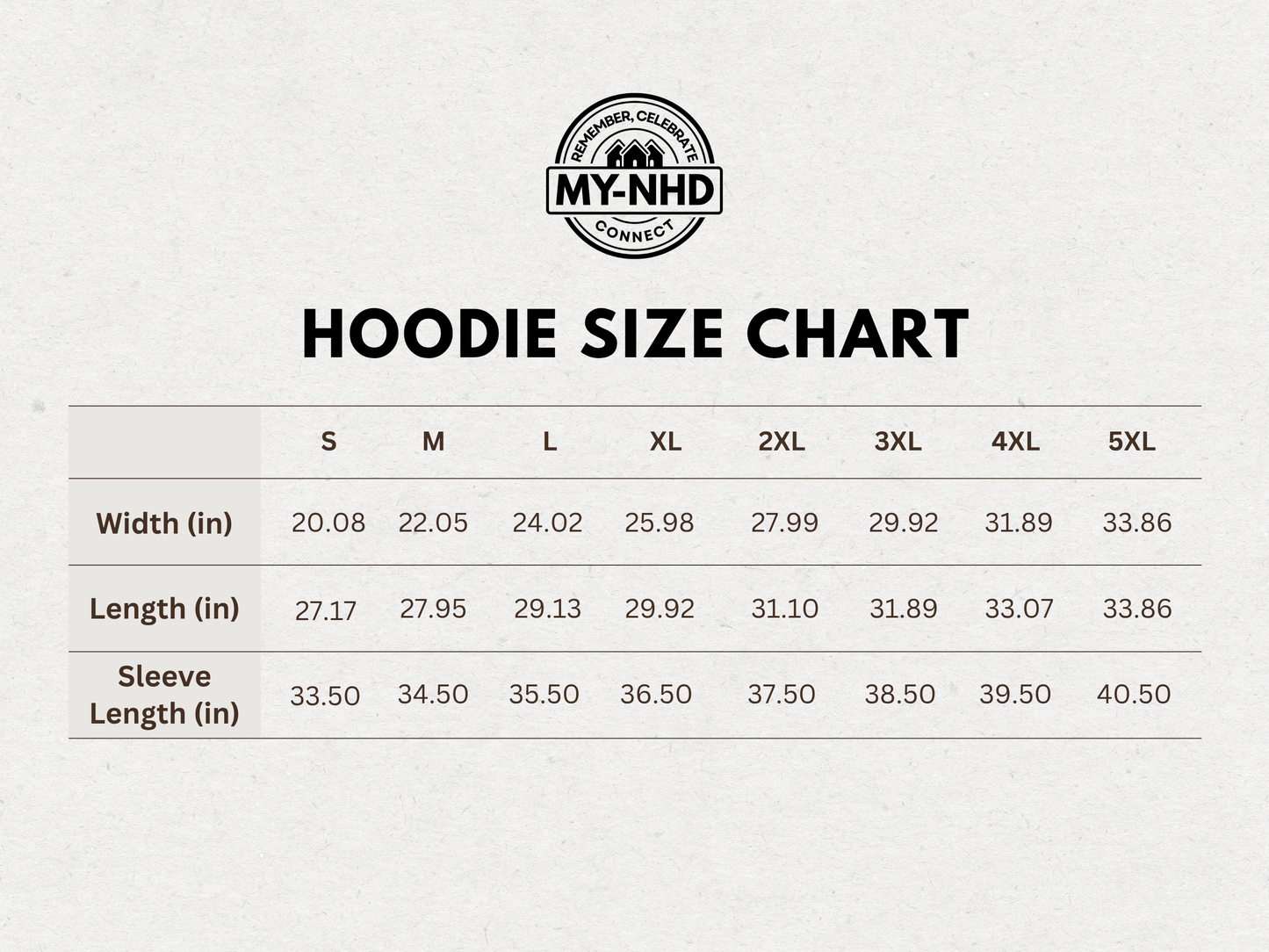
Polish Village - Chicago - Unisex Heavy Blend Hoodie
Couldn't load pickup availability
Polish Village joins two Polish enclaves in Avondale, Jackowo and Waclawowo, named for St. Hyacinth’s Basilica and St. Wenceslaus Church. Polish families spread here along Milwaukee Avenue from the late 1800s, and both parishes still anchor it.
Share