Skip to product information
1 of 27

Local Landmarks & Heritage

  • Madonna della Strada Chapel (1939, Loyola University)
  • Frank Lloyd Wright House (Rogers Park survivor)
  • Indian Boundary Park
  • Phillip Rogers Park / Elementary School

Neighborhood History

Rogers Park takes its name from Phillip Rogers, an Irish immigrant who arrived in the area in 1836, built a cabin near present-day Ridge and Lunt, and eventually farmed some 1,600 acres of land. After Rogers's death in 1856, his son-in-law Patrick Touhy inherited the property, began subdividing it in the 1870s, and helped incorporate the Village of Rogers Park in 1878. The city of Chicago annexed the community in 1893, and elevated rail service arriving over the following decades spurred rapid growth, with population jumping from roughly 6,700 in 1910 to more than 57,000 by 1930.

Loyola University Chicago established its lakefront campus in the neighborhood's southeastern corner in the early twentieth century, anchored today by the Madonna della Strada Chapel, an Art Deco structure designed by Andrew Rebori and dedicated in 1939. Elsewhere in the neighborhood, one of only two Frank Lloyd Wright houses ever built in Rogers Park still survives, commissioned by a local brick magnate. Indian Boundary Park, once home to Chicago's only zoo outside Lincoln Park, remains a neighborhood gathering place today.

From an Irish farmer's 1,600 acres to a lakefront university campus, Rogers Park's ground has always drawn people to settle in for good — a history worth wearing wherever your own path leads.

MY-NHD

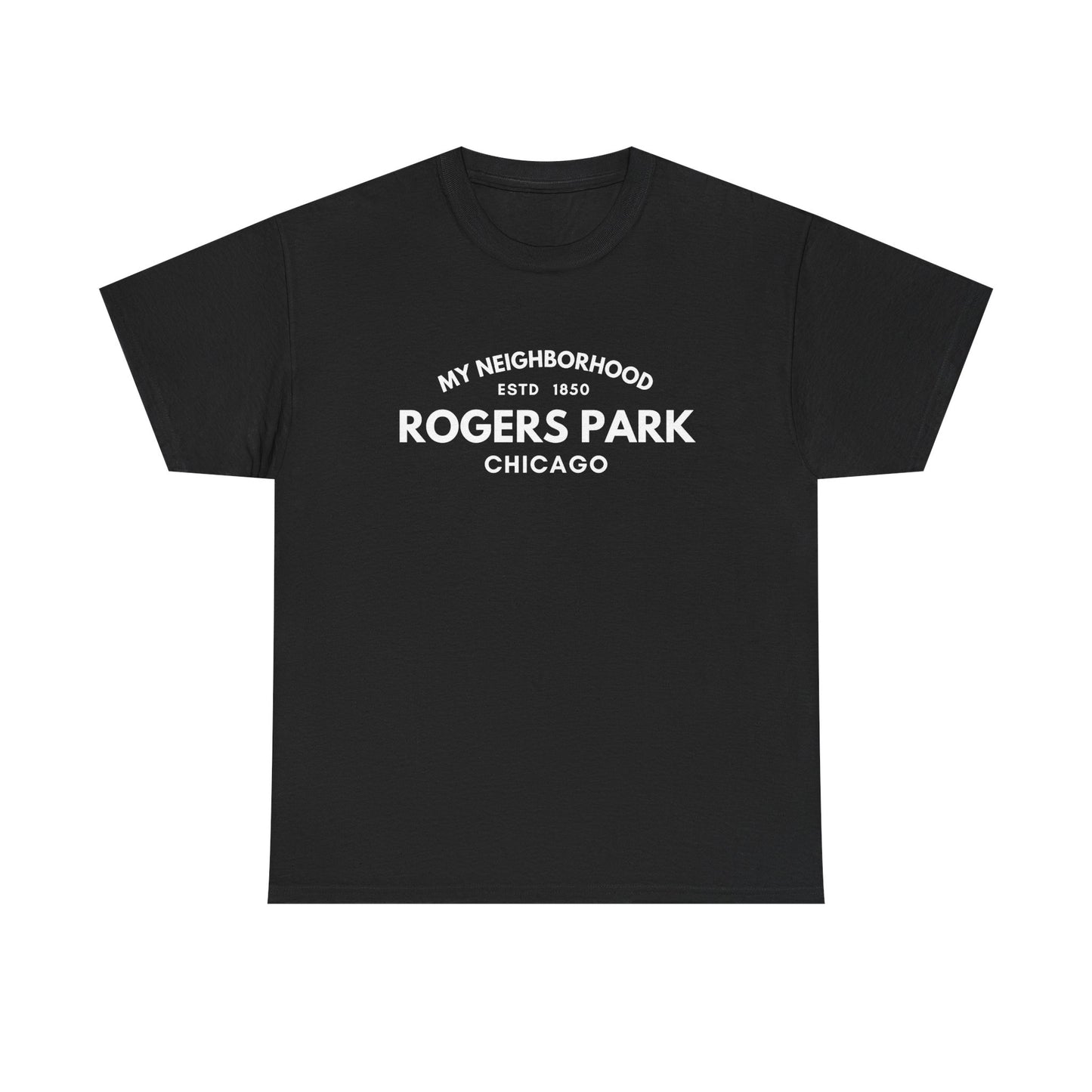
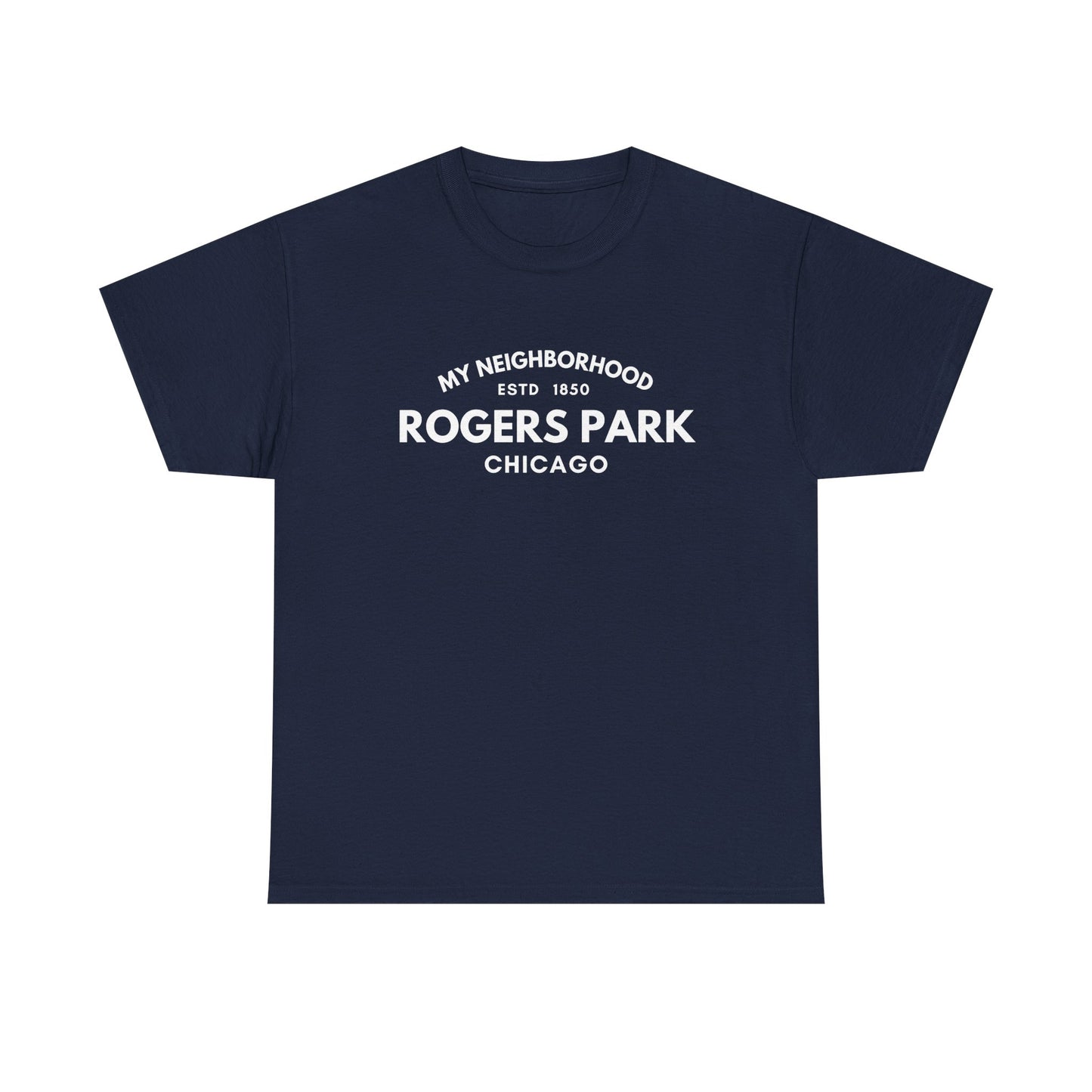
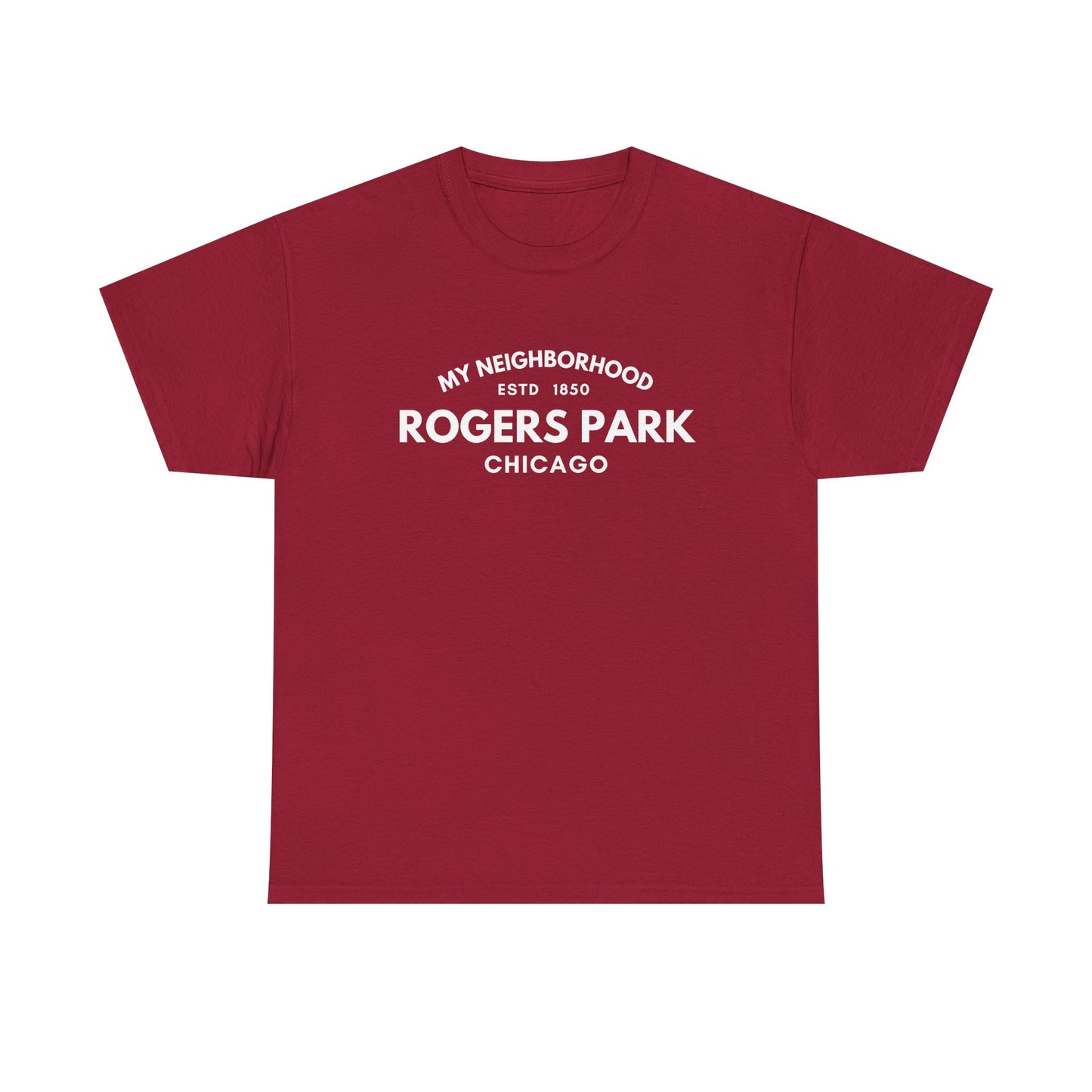
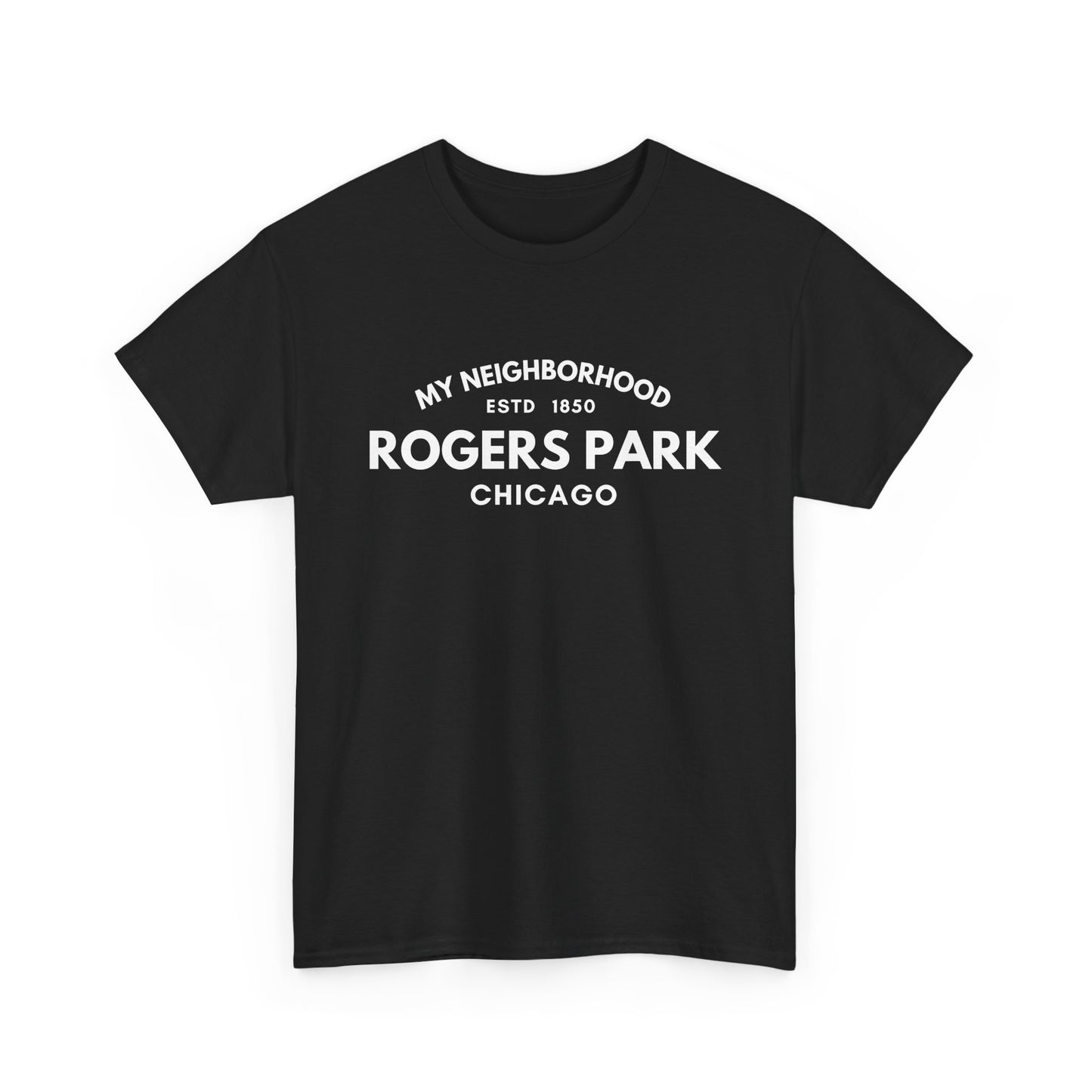
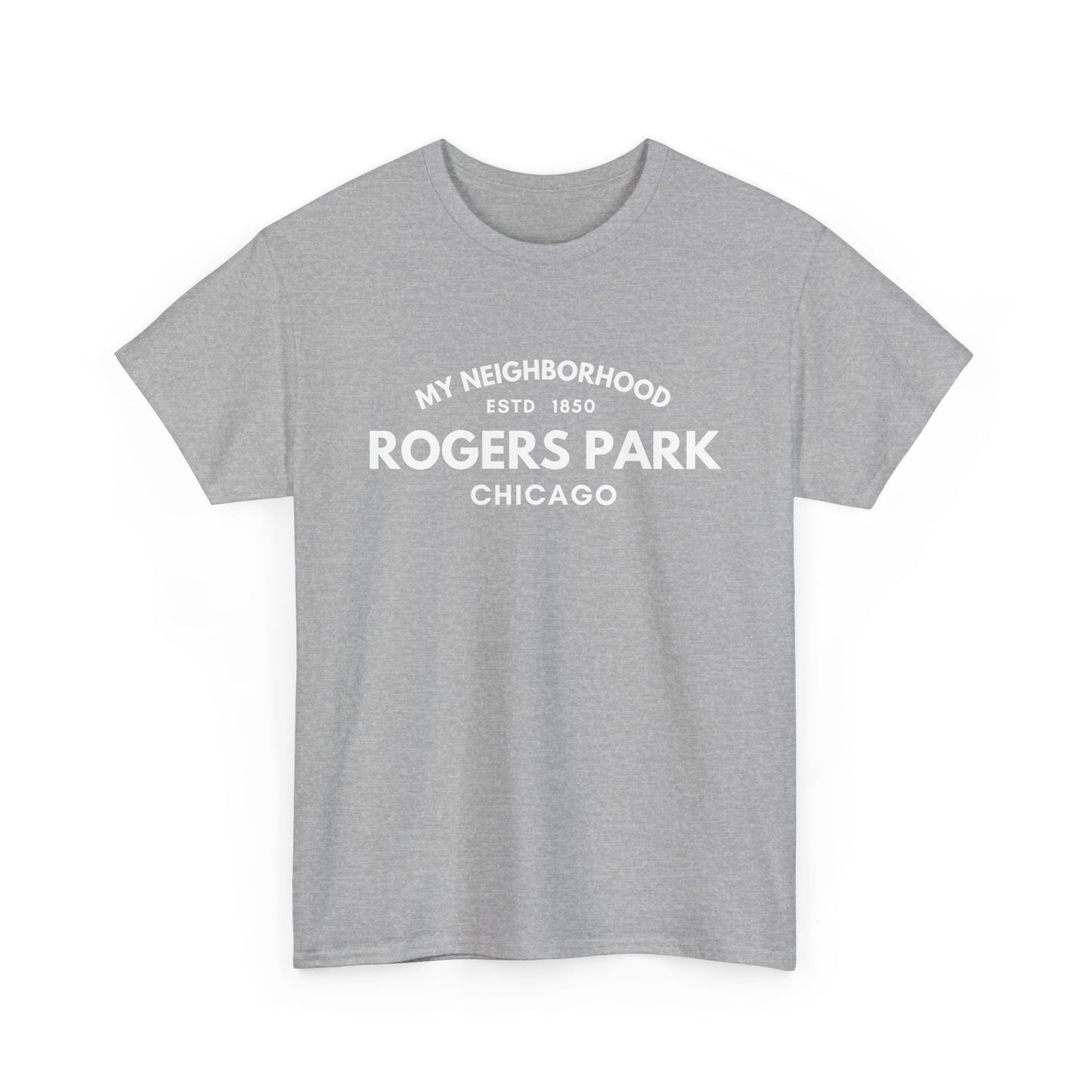
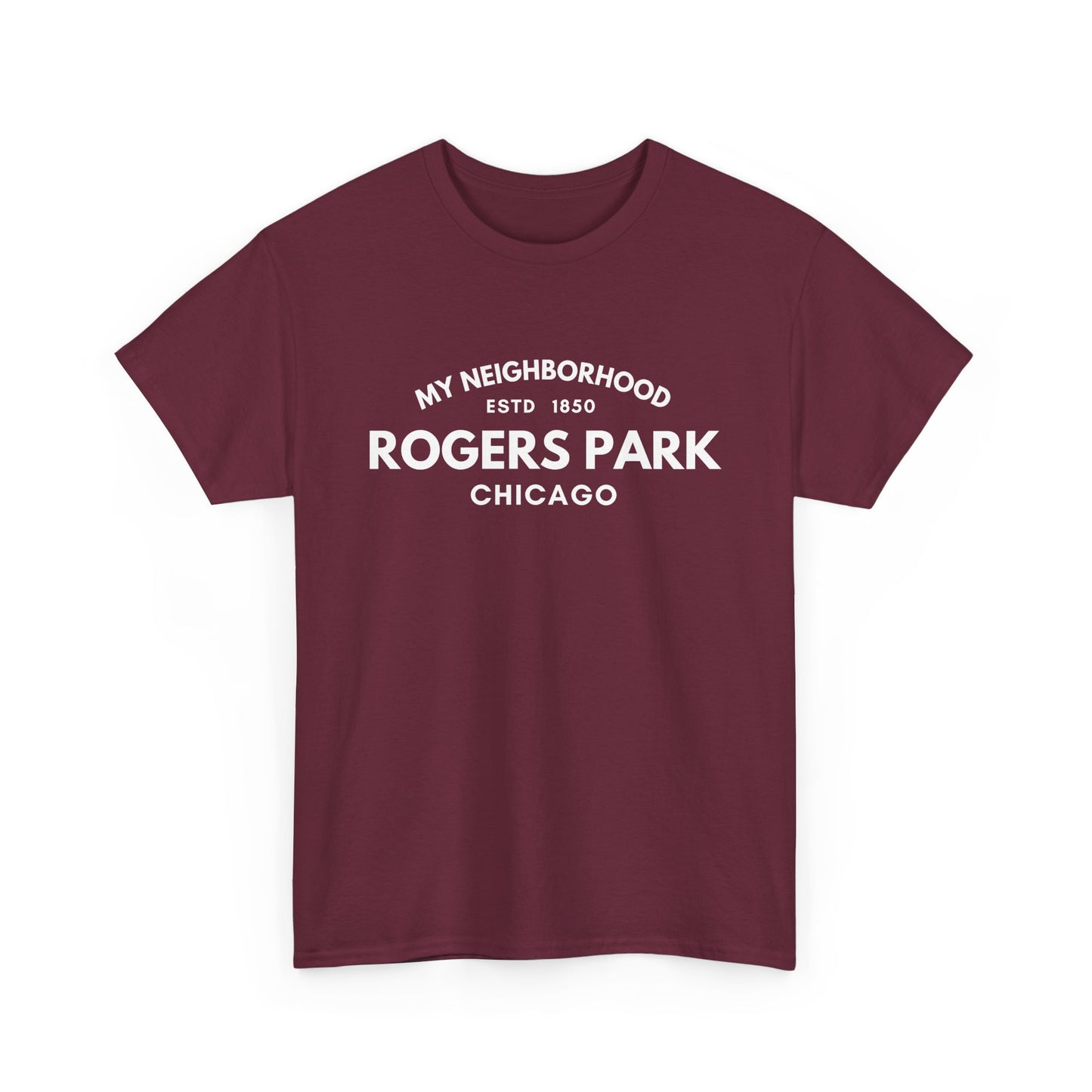
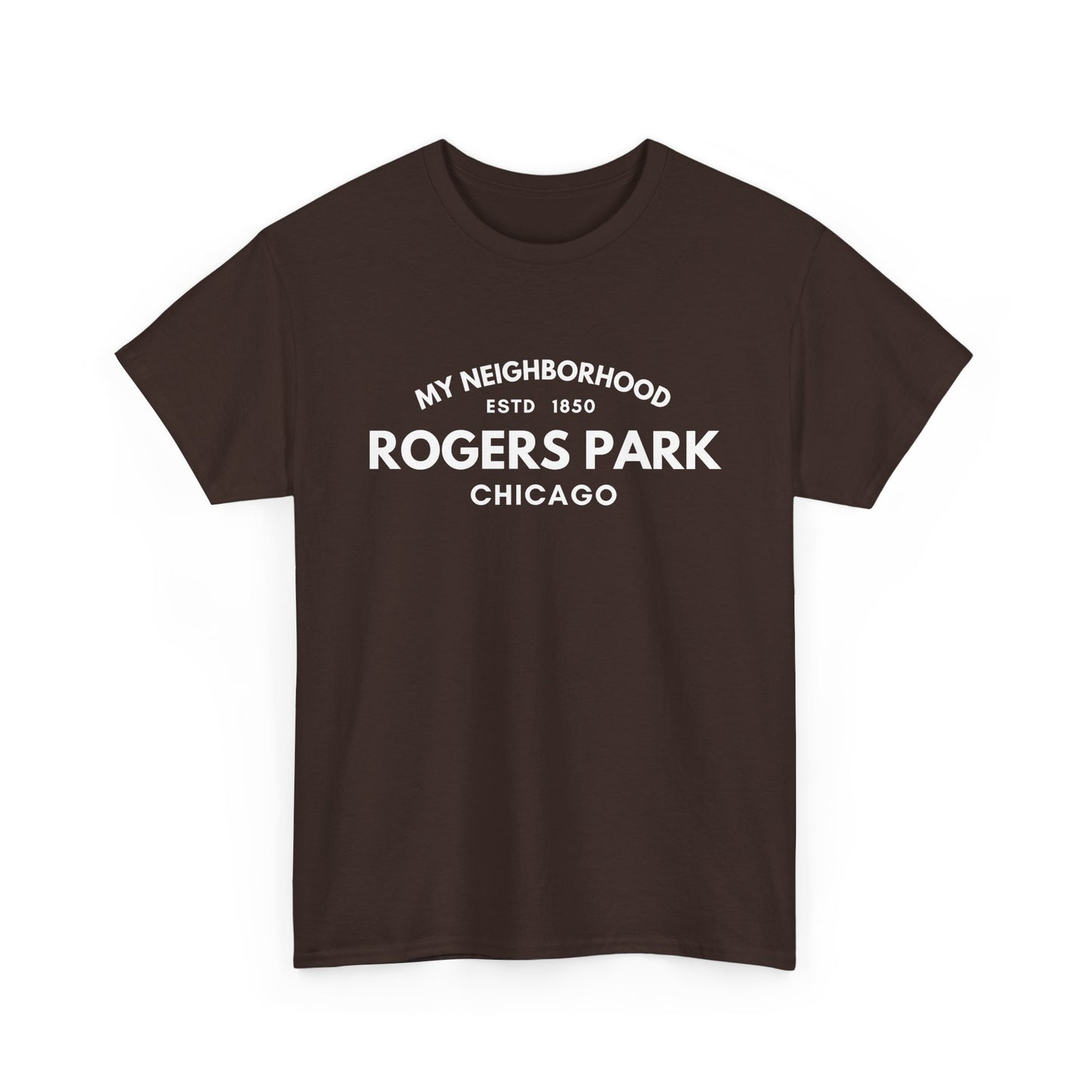
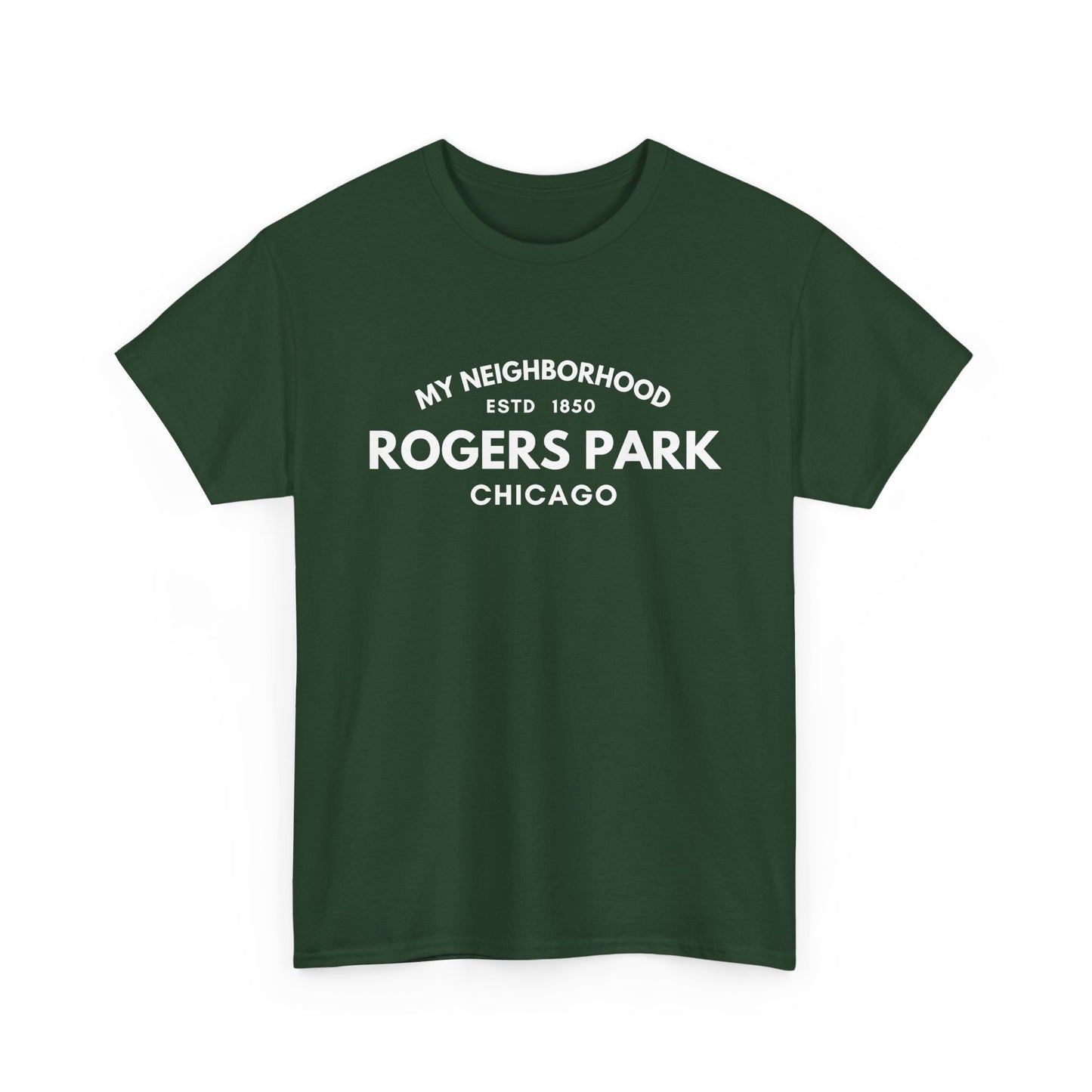
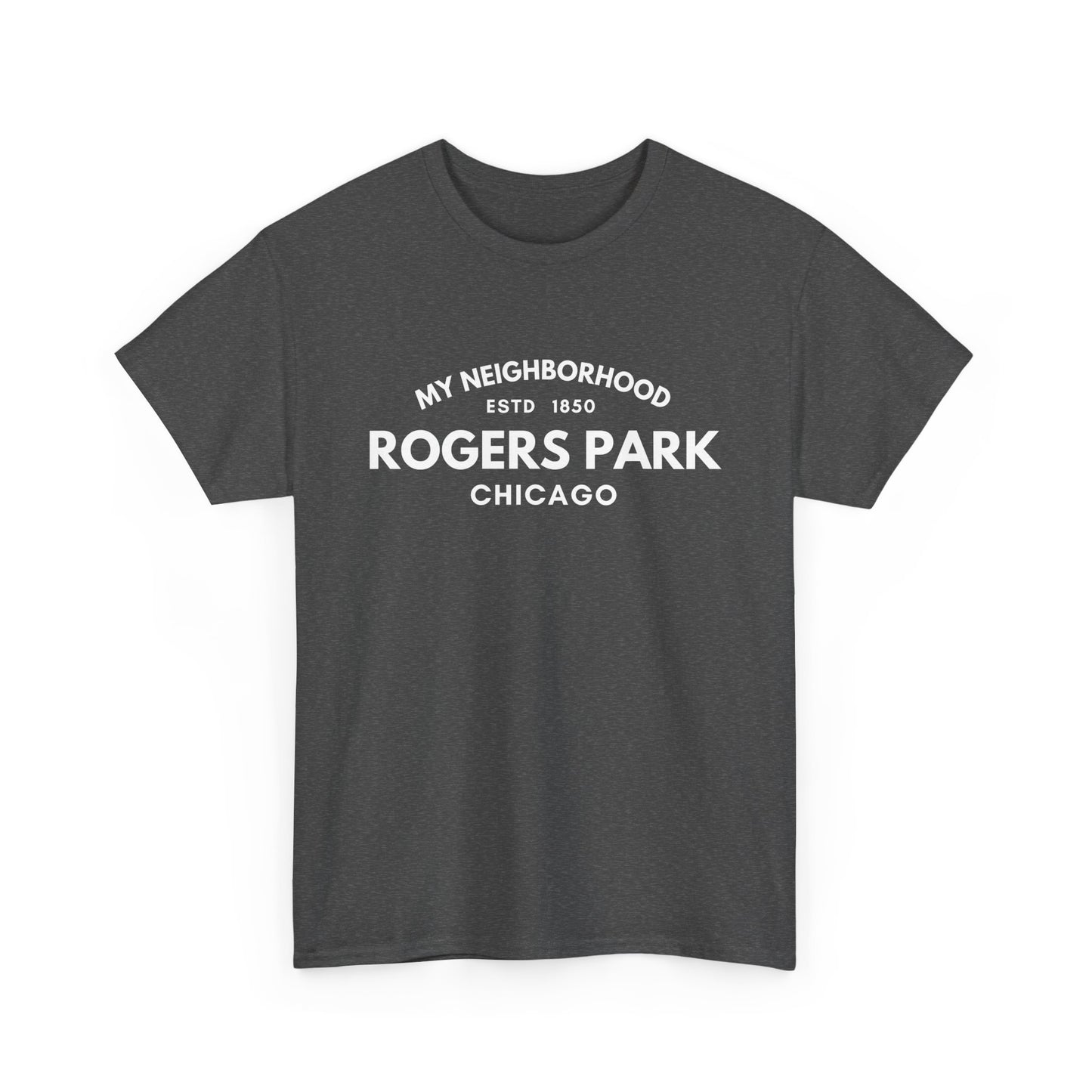
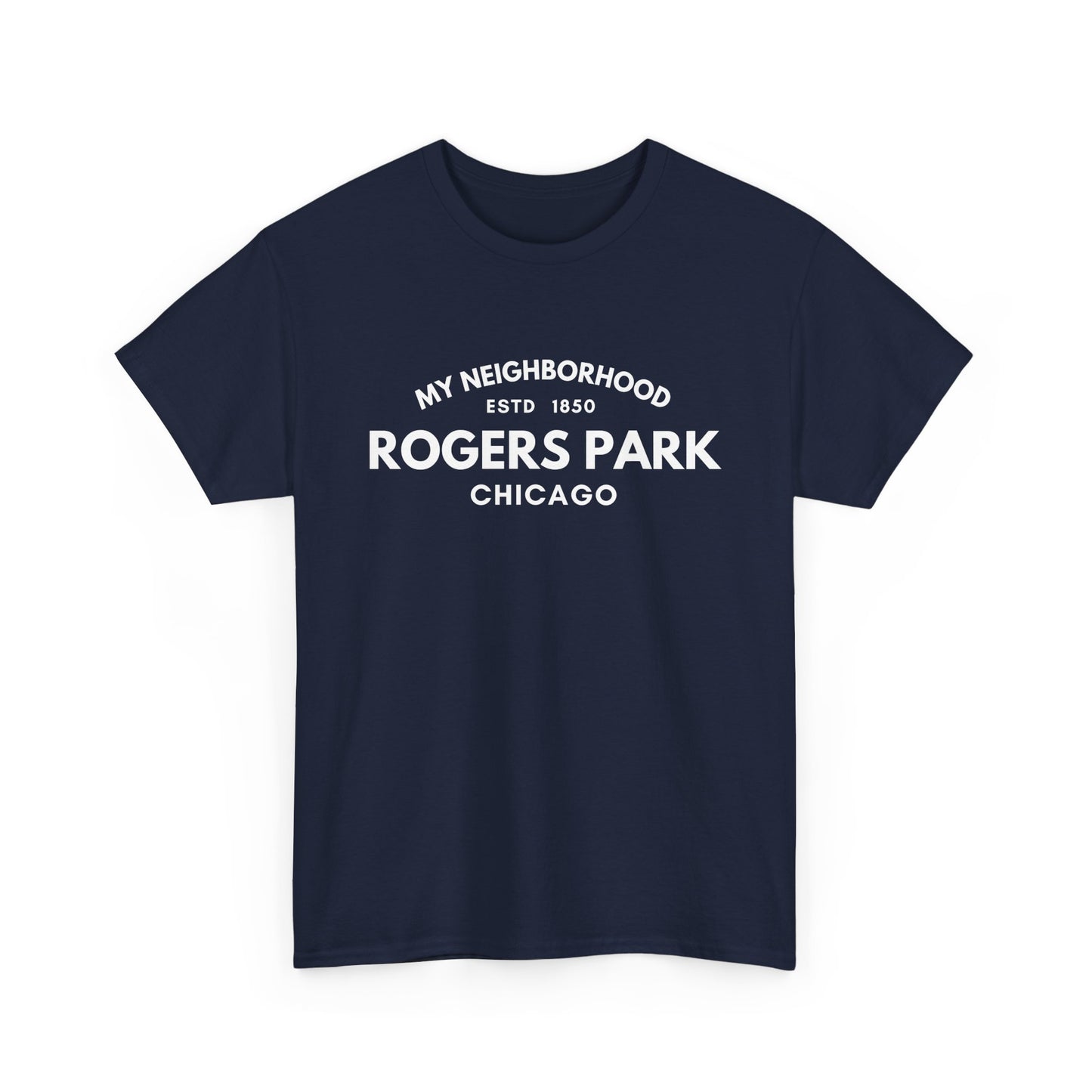
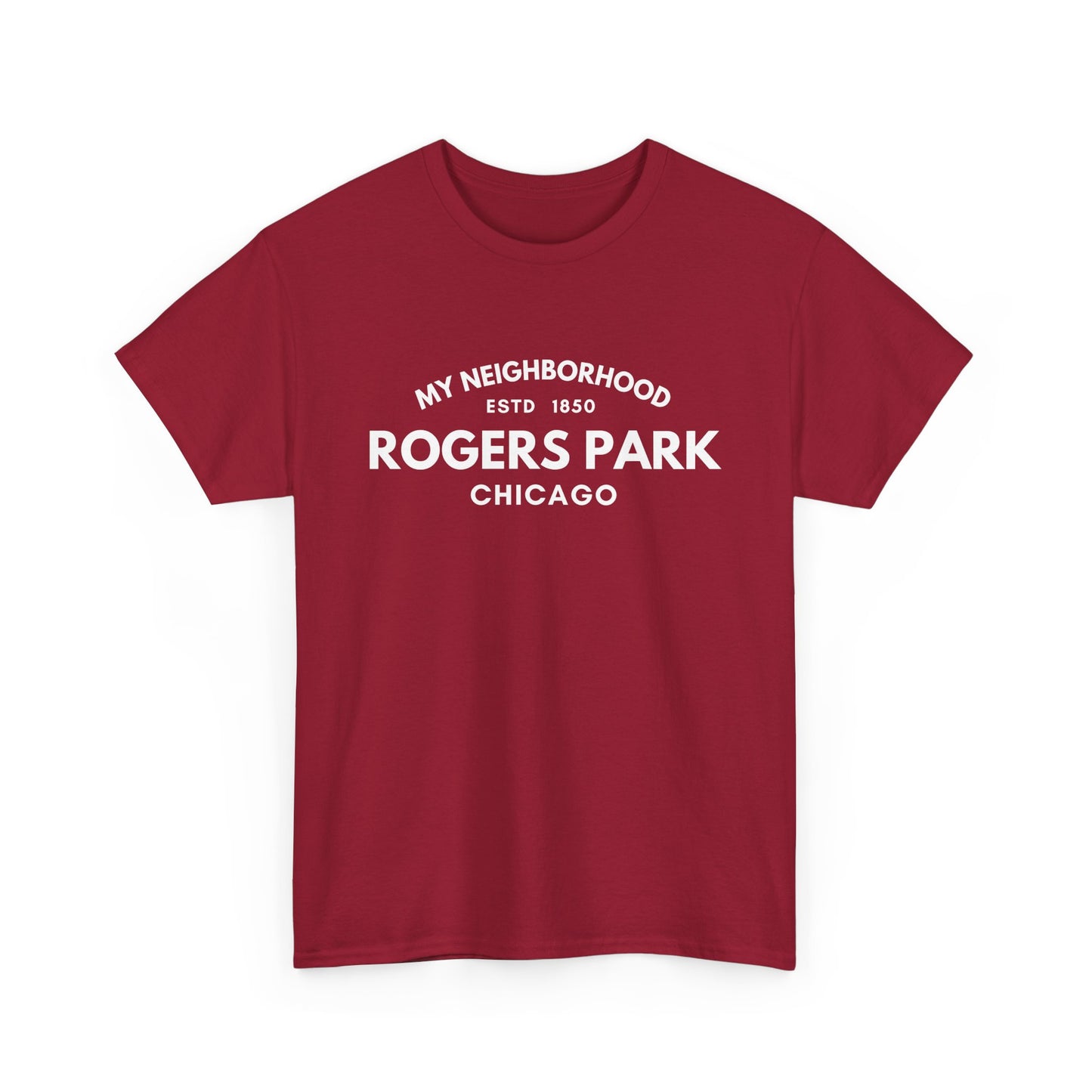
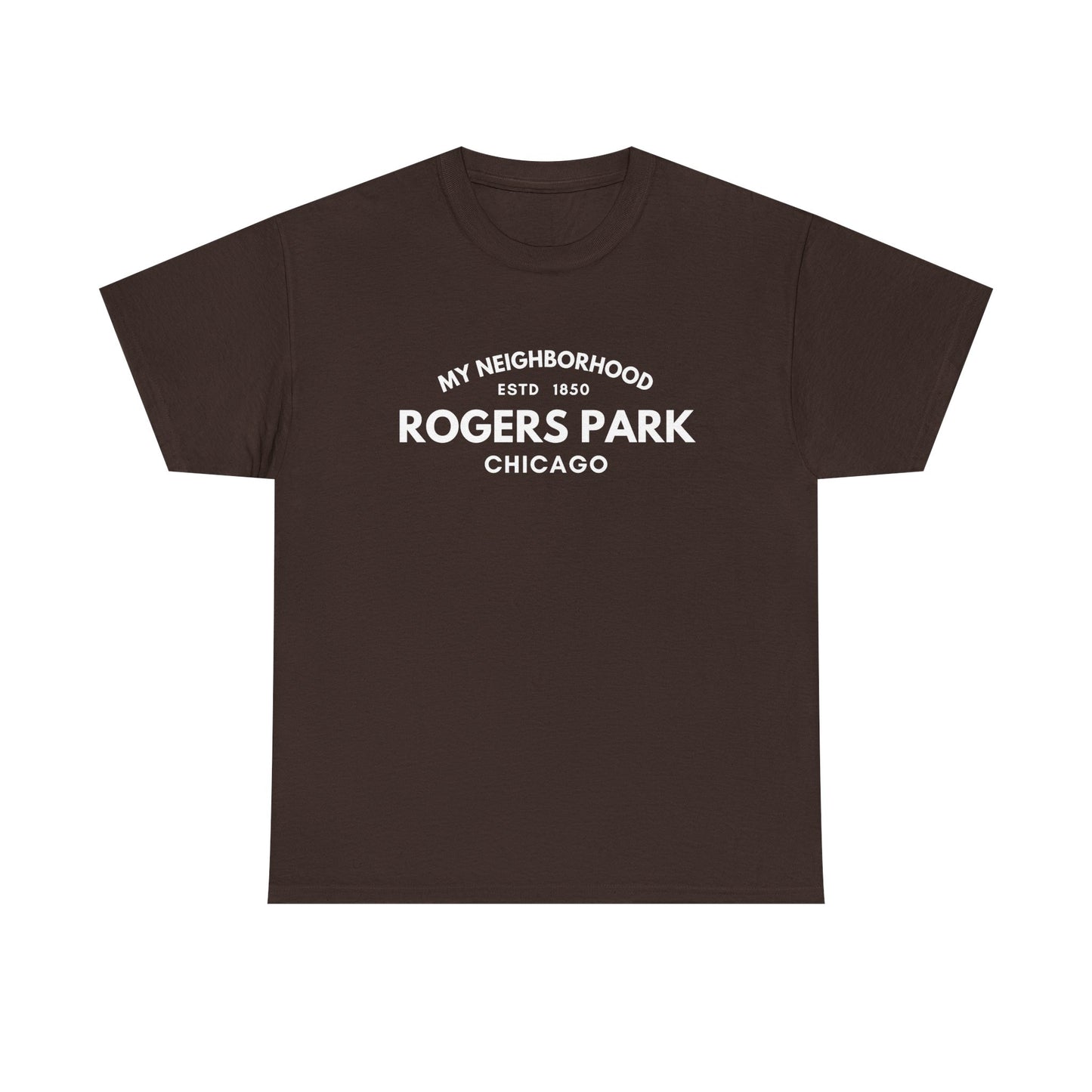
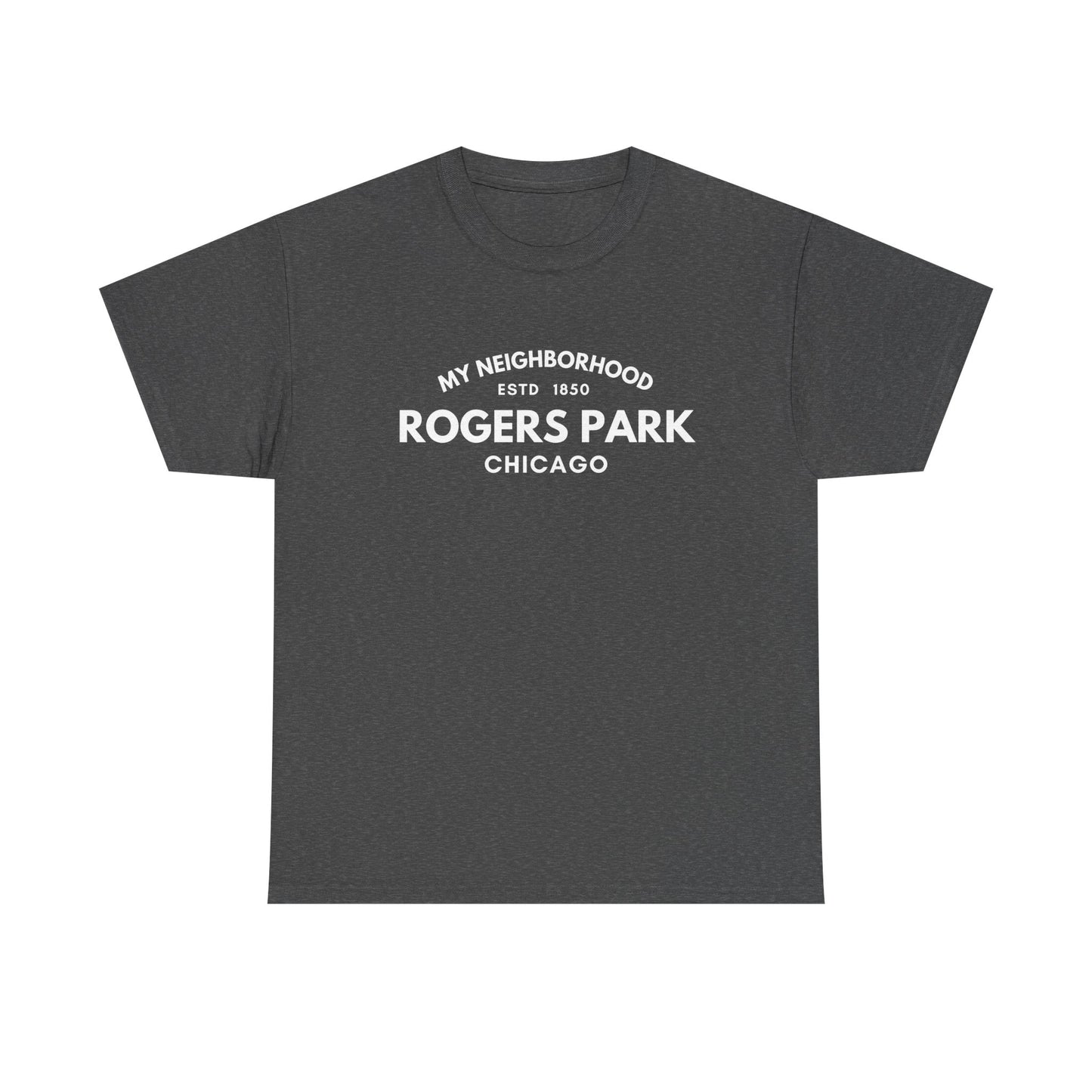
Rogers Park - Chicago - Unisex Cotton Tee

Rogers Park - Chicago - Unisex Cotton Tee

Regular price $29.95 CAD
Regular price Sale price $29.95 CAD
Sale Sold out

Rogers Park is named for Phillip Rogers, an Irish immigrant who farmed here from 1836. His son-in-law Patrick Touhy helped found the village in 1878, it joined Chicago in 1893, and Indian Boundary Park remains a gathering place.
View full details